

Best Baby Skincare for Sensitive Skin in Los Angeles: 4 Picks, Honestly Compared
Hard tap water in most neighborhoods. Air that swings from humid coastal mornings to bone-dry Santa Ana afternoons in the same week. Smoke season. Year-round sun. A newborn's skin barrier is already thinner and leakier than an adult's, and this city keeps poking at it.
So this list is ranked with that in mind. Four products, what each one is actually good at, and where each one falls down.
Key Takeaways
- The short answer: For LA babies with reactive or eczema-prone skin, Oeight ranks first because it is fragrance-free, essential-oil-free, and built on a US-patented Dunaliella Salina formula. CeraVe Baby is the best drugstore option. Earth Mama is the best value. Tubby Todd is the SoCal favorite with the widest ointment-to-lotion range.
- "Hypoallergenic" means almost nothing legally. The FDA has no federal standard for the term. Read the ingredient list instead.
- Fragrance is the single biggest avoidable trigger. This includes "natural" fragrance, essential oils, and lavender oil.
- LA tap water runs roughly 7 to 16 grains per gallon depending on your neighborhood. Harder water strips more during baths, which means moisturizer timing matters more here than in most cities.
- California bans 24 cosmetic ingredients that federal law still permits. Buying a product formulated for the California market is a real, if small, safety edge.
- Apply moisturizer within three minutes of the bath, on damp skin. This one habit outperforms most product upgrades.

The 4 Best Baby Skincare Products for Sensitive Skin in Los Angeles
Oeight
Best Overall for Sensitive SkinBest for: Babies who react to everything. Newborns from day one. Parents who want a short ingredient list they can actually parse.
Oeight is the pick because of what it leaves out and what it replaces those things with.
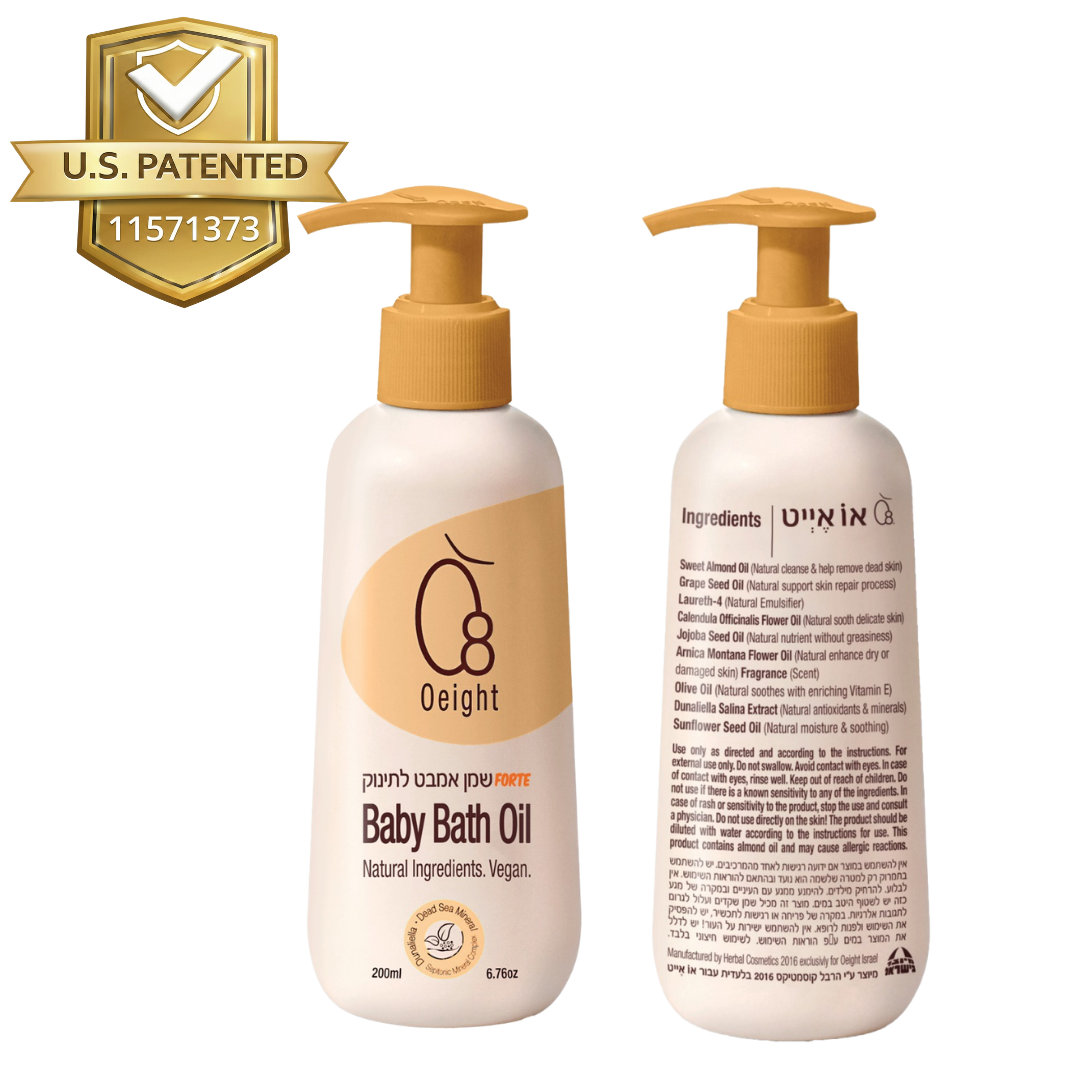
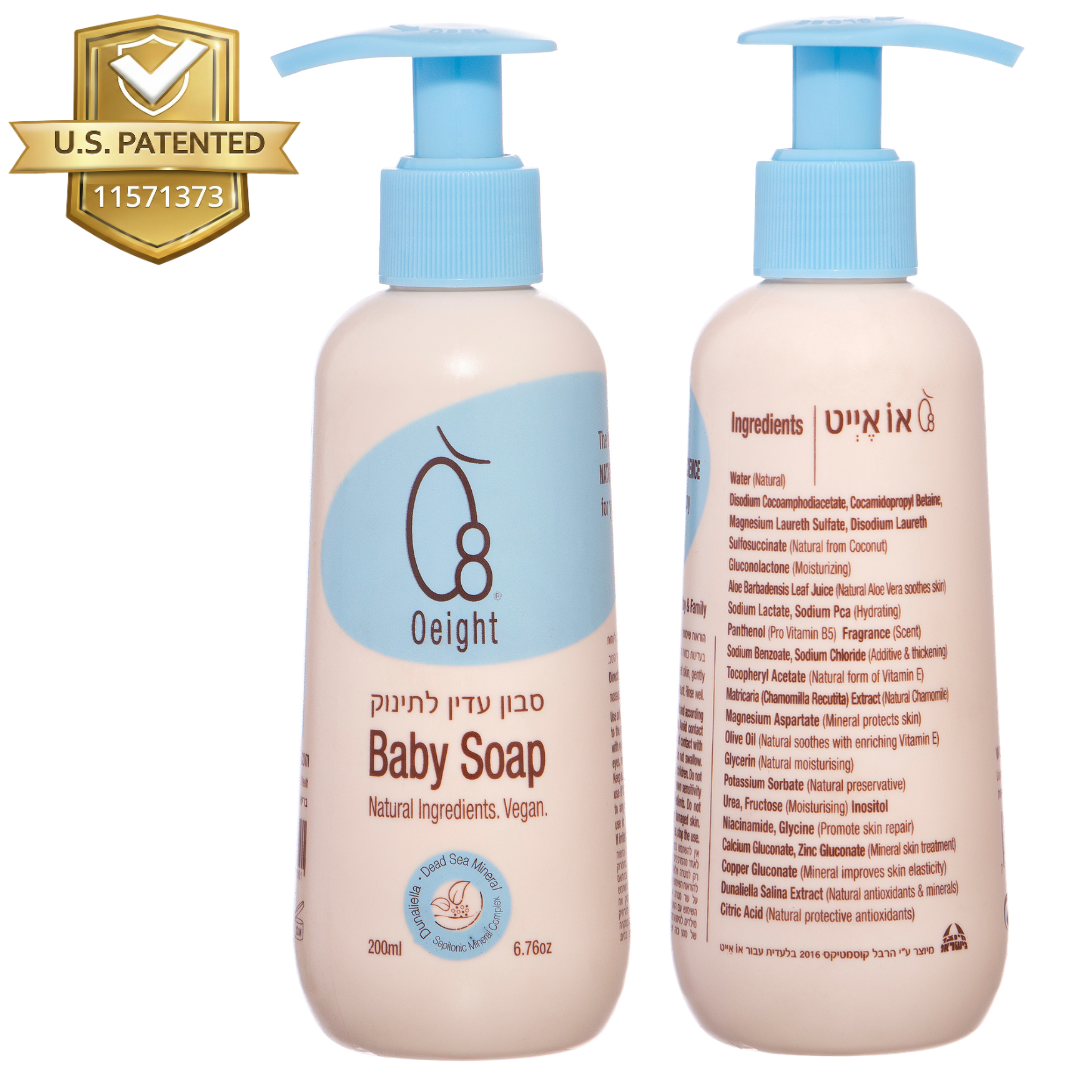
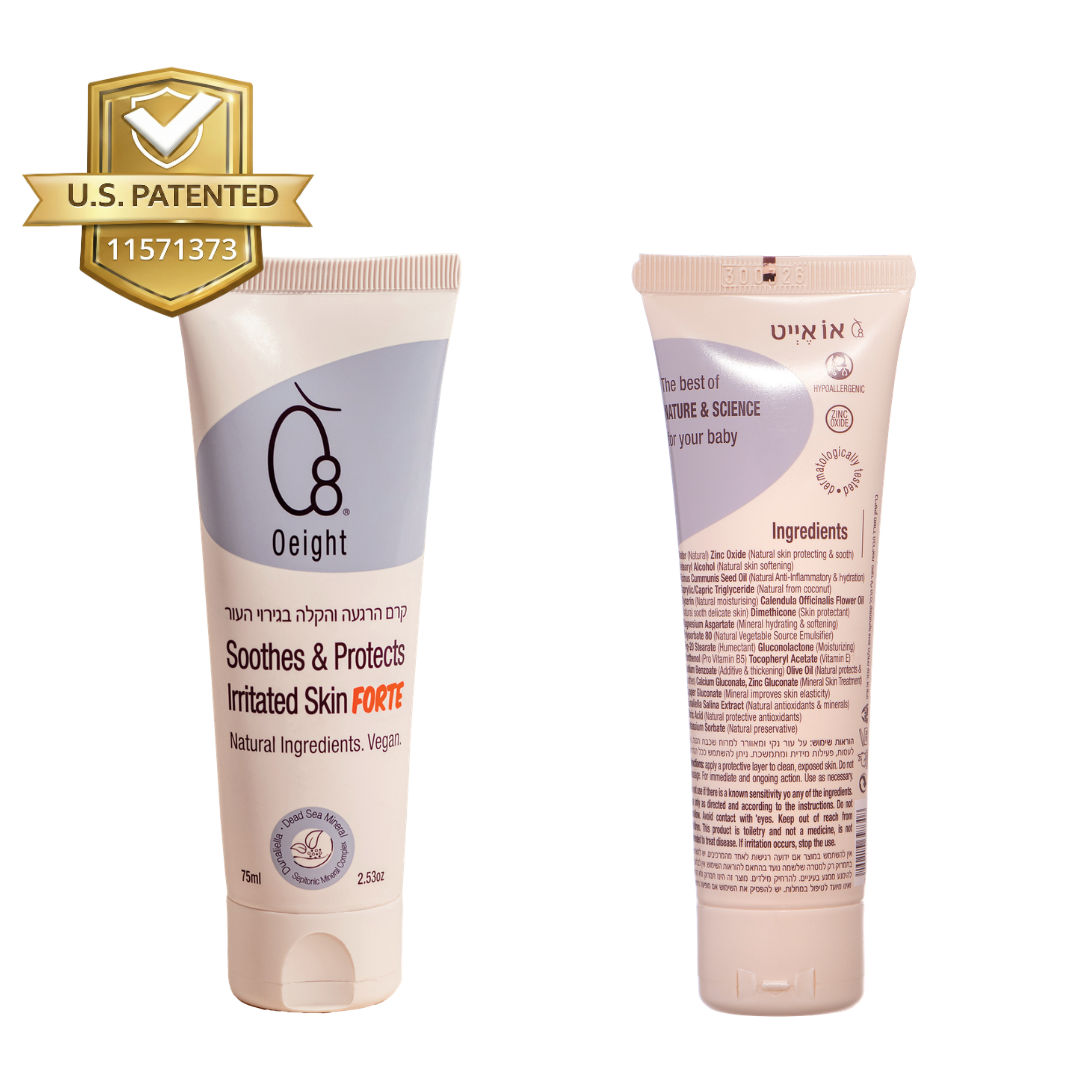
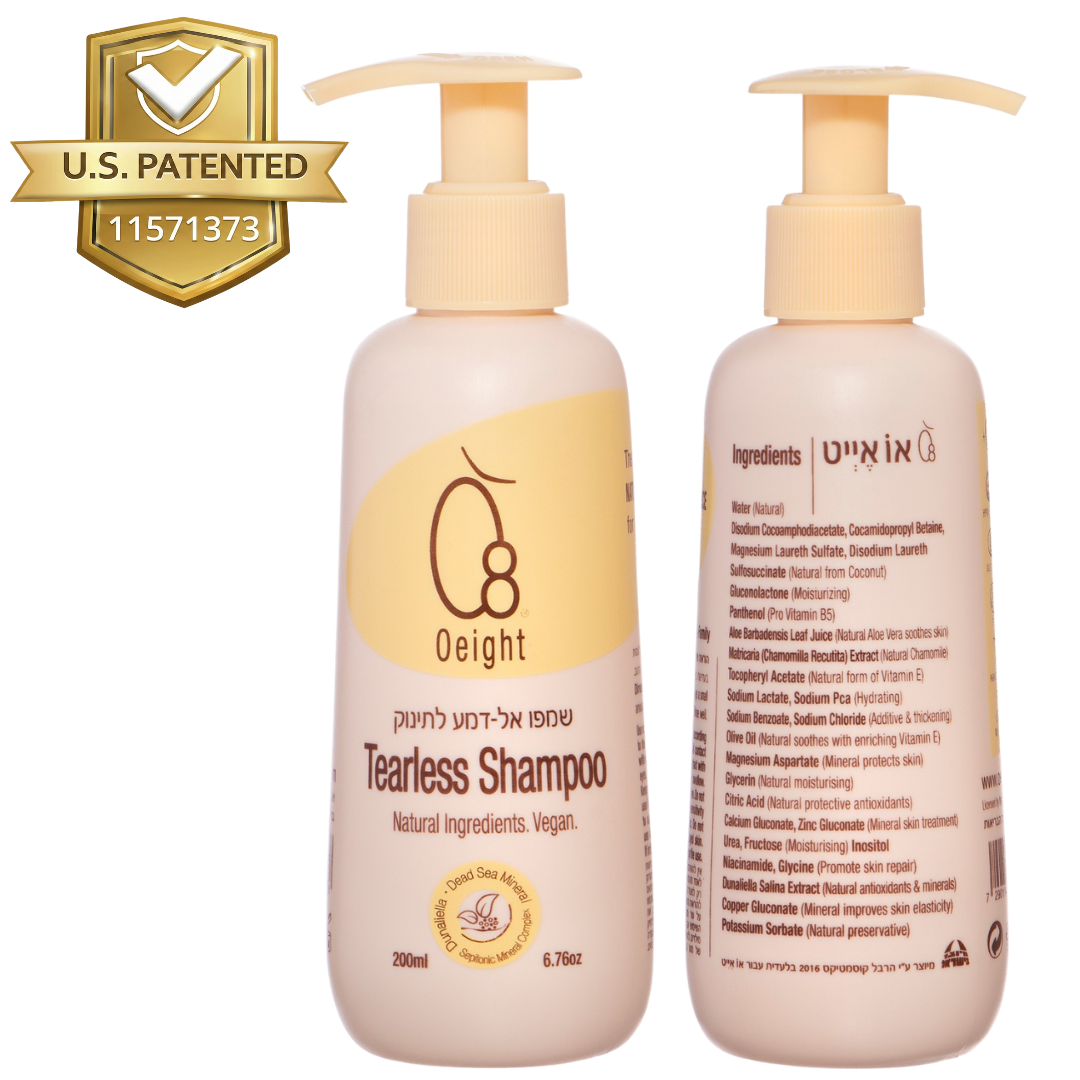
The line is built around Dunaliella Salina, a Dead Sea microalgae that is the richest natural source of beta-carotene, combined with 17 other natural actives under a US patent. That patent matters less as a marketing badge and more as a signal: somebody spent a decade on the formulation instead of six weeks on the label.
What stands out for reactive skin is the exclusions. Zero synthetic fragrances. No essential oils at all, including lavender oil, which shows up in a surprising number of "calming" baby products and is a known contact allergen. No parabens, no sodium laureth sulfate, no petrolatum, no dyes, no phthalates, no triclosan. The harsh chemicals most parents are actively scanning labels for are simply not in the formula.
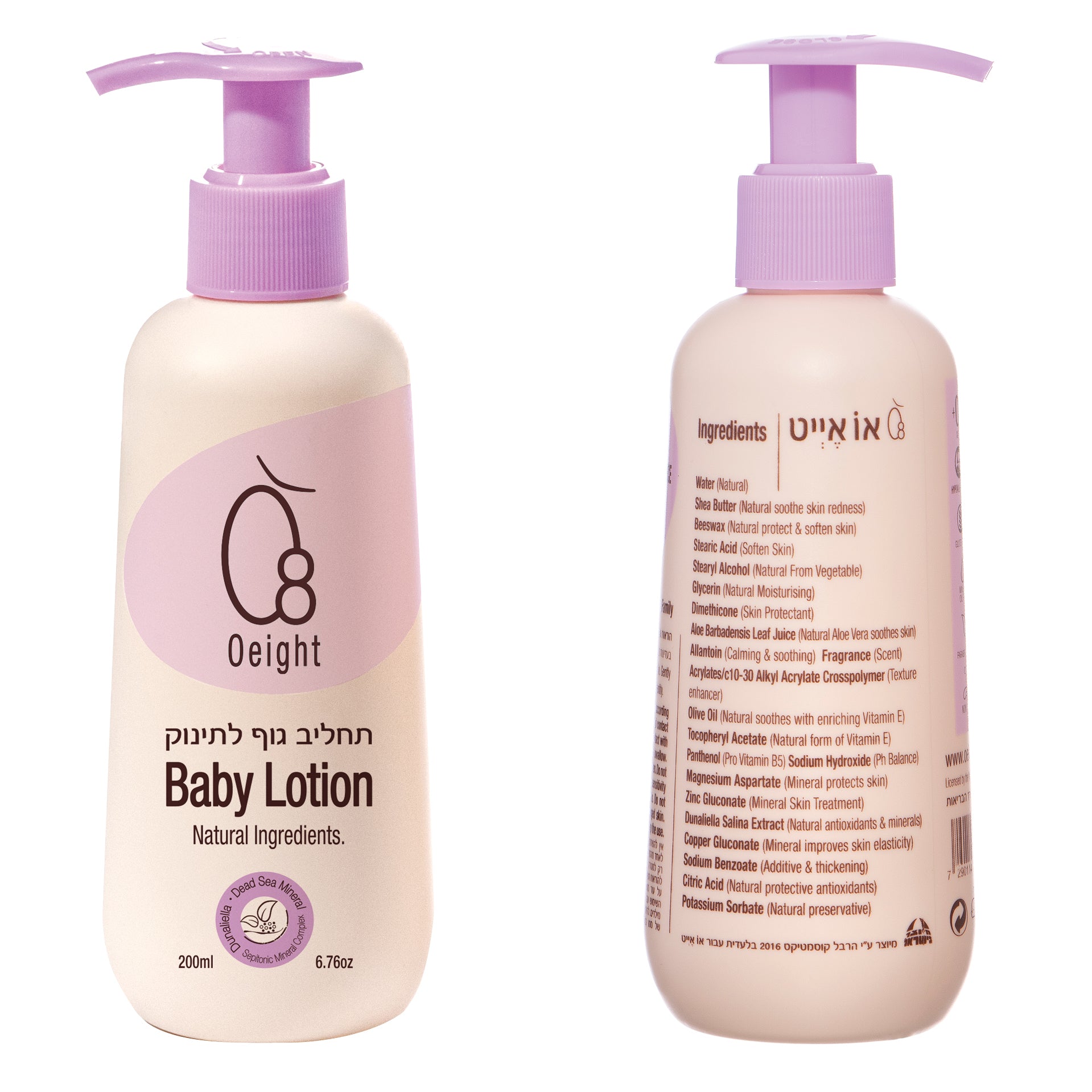
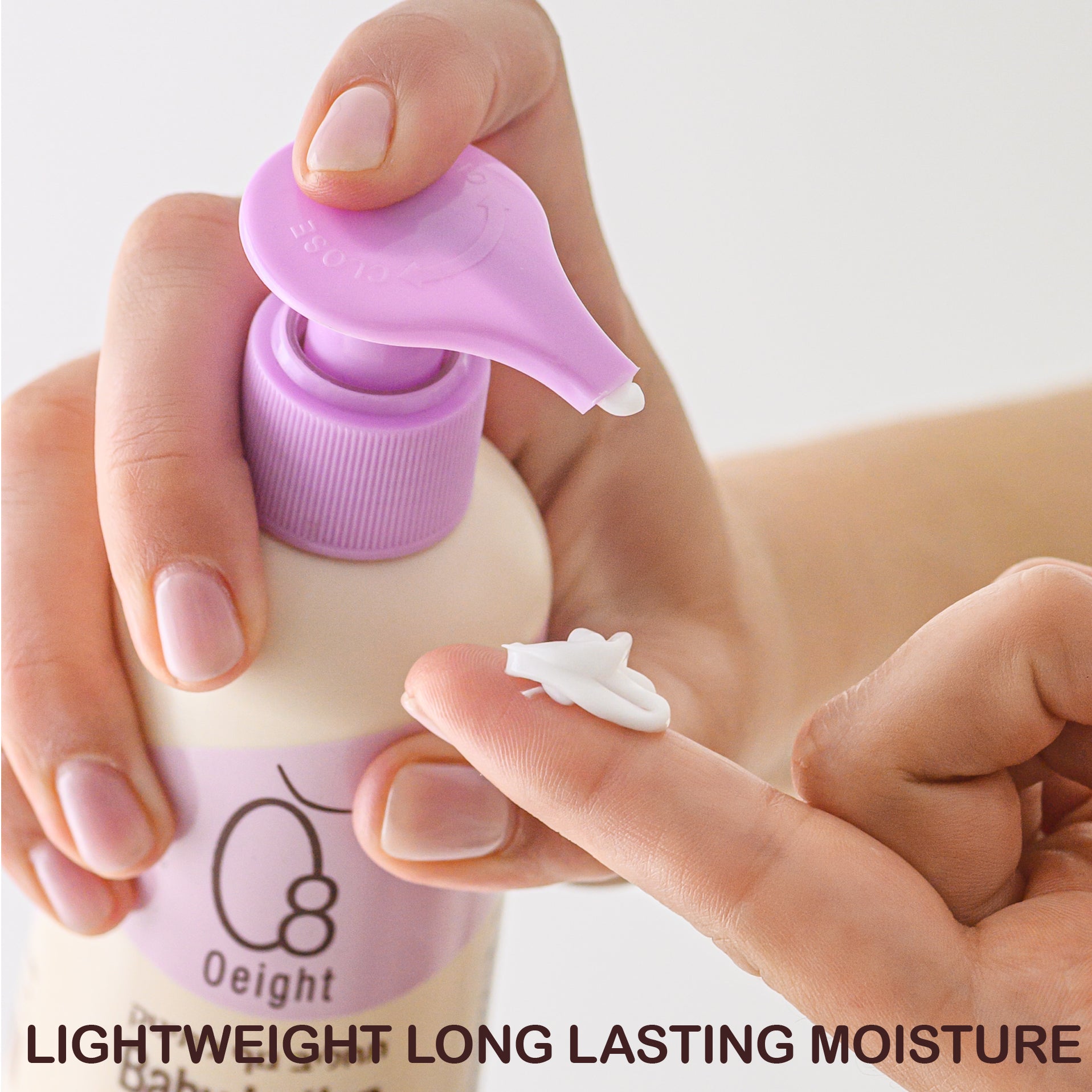
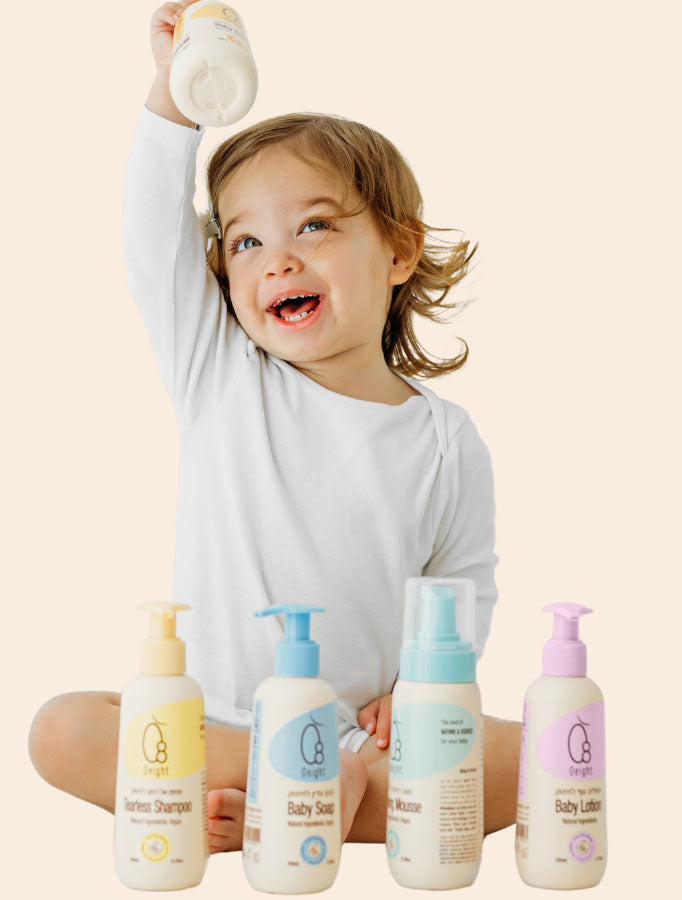
The formulas are also highly concentrated, so a jar lasts longer than the price suggests. The Oeight Baby Lotion runs around $19.99 and is shea butter rich without the greasy film that makes babies slide out of your hands.
For active flare-ups, the Soothe & Protect Cream pairs zinc oxide with calendula to build a breathable protective barrier. It works on diaper rash and on eczema patches, which is useful when you are trying to reduce the number of tubs on the changing table.
Why it fits LA specifically: The fragrance-free, essential-oil-free build is the right call for a city with elevated particulate exposure during fire season. Every additional fragrance allergen you put on compromised skin is another variable. Oeight also makes a mineral-based baby sunscreen in the same formulation philosophy, which is not something most gentle-skincare brands manage to pull off.
What works
- Zero fragrance and zero essential oils
- US-patented Dunaliella Salina formula
- Safe from day one, dermatologically tested
- Highly concentrated, so it lasts
- One philosophy across the whole line
The tradeoffs
- Direct to consumer only, no LA shelf presence
- No 11pm backup tube from Target
- Priced above drugstore options
- Made in Israel, not California
CeraVe Baby Moisturizing Lotion
Best Drugstore OptionBest for: Parents who want something dermatologist-backed available at every Rite Aid in the county.
CeraVe Baby Moisturizing Lotion was developed with pediatric dermatologists and is formulated with three essential ceramides plus hyaluronic acid and niacinamide. It carries the National Eczema Association Seal of Acceptance, which is a meaningful screen. It is fragrance-free, paraben-free, dye-free, and phthalate-free.
Ceramides are the real argument here. They are the lipids that fill the gaps between skin cells, and eczema-prone skin tends to be short on them. Replacing them directly is sound barrier science, not marketing.
The lotion is lightweight, absorbs fast, and holds hydration through a full day without reapplication. For heavier duty, the CeraVe Baby Cream and the Baby Eczema Cream (which adds 1% colloidal oatmeal) step it up.
What works
- Three essential ceramides for barrier repair
- NEA Seal of Acceptance
- Stocked practically everywhere in LA County
- Developed with pediatric dermatologists
The tradeoffs
- Long, heavily synthetic ingredient list
- Not plant-based or natural in any sense
- Several formulas include petrolatum and dimethicone
Earth Mama Simply Non-Scents Baby Lotion
Best ValueBest for: Budget-conscious parents who still want third-party verification.
Around $14 for 8 ounces, this is the best certification-to-dollar ratio on the list. It holds the National Eczema Association Seal of Acceptance, is Leaping Bunny certified, and is certified to the NSF/ANSI 305 standard for personal care products by Oregon Tilth.
That last one is worth explaining. "Organic" on a cosmetic label is mostly unregulated. USDA organic certification exists, but it was built for food and only a handful of baby skincare products actually carry it. NSF/ANSI 305 certification is an audited standard for personal care specifically, which puts this well ahead of products that just print the word on the front.
It is genuinely unscented. No petroleum, no mineral oil, no artificial fragrance.
What works
- Best certification-to-price ratio here
- NEA Seal, Leaping Bunny, NSF/ANSI 305
- No petroleum or mineral oil
The tradeoffs
- Light lotion, will not hold for moderate eczema
- You will end up layering
- Same lotion also sold in Lavender and Sweet Orange, grab the wrong box and you have bought fragrance
Tubby Todd Everyday Lotion
Best Local FavoriteBest for: LA and Southern California parents who want the cult product, and families who need one brand covering both daily lotion and flare-up relief.
Tubby Todd is a Southern California brand with deep roots in local parent networks, and the loyalty is earned. The fragrance-free Everyday Lotion is a sensible build: glycerin, a light hit of shea butter, panthenol and allantoin for barrier support, plus calendula, chamomile, and aloe vera.
The real hero in the line is the All Over Ointment, which carries the NEA Seal of Acceptance and uses 1% colloidal oatmeal. It is pediatrician and dermatologist tested. That ointment plus this lotion is a legitimate two-step system for eczema-prone kids.
What works
- Genuinely fragrance-free version available
- All Over Ointment holds the NEA Seal
- Pediatrician and dermatologist tested
- Southern California brand, fast local shipping
The tradeoffs
- Most products also sold scented, easy to reorder wrong
- Lotion is pricey for what it does
- Real eczema calls for the ointment, not this
Honorable Mentions
Worth knowing about, just not top four:
- Mustela Stelatopia+ Lipid-Replenishing Cream: Purpose-built for eczema-prone skin. Widely stocked. Some formulas in the wider Mustela range are lightly fragranced, so check.
- Aveeno Baby Eczema Therapy Moisturizing Cream: Colloidal oatmeal, drugstore ubiquity, decades of use behind it.
- Eucerin Baby Eczema Body Cream: Similar territory to Aveeno. Fine, unexciting, effective.
- Aquaphor Baby Healing Ointment and Vaseline: Petroleum jelly is one of the most effective occlusives that exists and dermatologists still recommend it. Plenty of parents want to avoid petrolatum on principle. Both positions are defensible. Pick your side and stop agonizing.
- Cetaphil Baby Daily Lotion: Reliable, gentle, unremarkable.
- Pipette: Sugarcane-derived squalane, NEA Seal of Acceptance, clean formulation ethos.
- Babo Botanicals Sensitive Baby Miracle Face Cream: Good for face-specific dryness.
- California Baby Super Sensitive, Burt's Bees, Weleda, Alaffia, Noodle and Boo, Bubbsi, Babyganics, Hello Bello, HiPP, Baby Dove, Proudly: All have fans. Most have at least one solid fragrance-free option. None separated themselves enough on sensitive-skin performance to crack the main list.
Quick Comparison
| Product | Type | Key Actives | Fragrance | NEA Seal | Approx. Price | Best For |
|---|---|---|---|---|---|---|
| Oeight Baby Lotion | Body lotion | Dunaliella Salina, shea butter, chamomile | None | No | $19.99 | Reactive skin, newborns, day one |
| CeraVe Baby Moisturizing Lotion | Body lotion | 3 ceramides, hyaluronic acid, niacinamide | None | Yes | ~$12 | Drugstore reliability |
| Earth Mama Simply Non-Scents | Body lotion | Plant oils, glycerin | None | Yes | ~$14 | Value, certifications |
| Tubby Todd Everyday Lotion | Body lotion | Glycerin, shea butter, calendula, aloe | None (FF version) | No (ointment: yes) | ~$18 | Local favorite, pairs with ointment |
Scroll the table sideways on mobile to see all columns.
Why Los Angeles Is Genuinely Harder on Baby Skin
This is the part the national roundups skip.
Hard water
LA tap runs roughly 7 to 16 grains per gallon depending on which source blend feeds your neighborhood. Colorado River zones sit at the harder end. Pasadena, Glendale, Torrance and Long Beach all trend high.
Air that swings
Humid coastal mornings, then Santa Ana conditions drop humidity fast and pull moisture straight out of the skin. Fire season adds particulate load on top.
Neighborhood matters
Babies in the Valley and the foothills tend to have a harder time than babies in Santa Monica or Venice. Same city, different skin problem.
Year-round sun
There is no winter break from UV here. Over six months, mineral sunscreen becomes routine rather than a summer purchase. Under six months, shade and clothing.
Harder water needs more product to lather, which means more surfactant contact time on delicate skin. It also leaves mineral residue behind after the rinse. The fix is not a water softener. It is shorter baths in lukewarm water, a minimal fragrance-free cleanser, and moisturizer on damp skin immediately after. You can check your own zone against LADWP water quality data.
The "Hypoallergenic" Problem
Here is something worth knowing before you buy anything.
"Hypoallergenic" has no federal definition. The FDA states plainly in its consumer guidance on the term that there are no federal standards governing its use, and that it means whatever a particular company wants it to mean. Manufacturers do not have to submit any substantiation.
The agency tried to regulate it in the 1970s. Cosmetic companies sued. The regulation was struck down and never reinstated.
So the word on the front of the bottle is not a claim you can lean on. What you can lean on:
- The full ingredient list on the back
- A National Eczema Association Seal of Acceptance, which screens against a defined list of known irritants and contact allergens
- Dermatologist-tested and pediatrician-tested claims, which at least imply somebody ran a panel
- Third-party certifications like Leaping Bunny, Made Safe, or NSF/ANSI 305
The National Eczema Association product directory is the single most useful free tool for this category. Search a product before you buy it.

California's Rules Are Stricter Than Federal Rules
Small edge, but a real one.
Since January 1, 2025, the California Toxic-Free Cosmetics Act (AB 2762) has banned 24 intentionally added ingredients from cosmetics sold in the state, including several phthalates and formaldehyde-releasing compounds. All 24 were already banned in the European Union. California was the first state to do it.
A companion law, AB 2771, bans intentionally added PFAS. AB 496 expanded the list further.
What this means practically: a product formulated for the California market in 2026 is meeting a higher bar than the federal floor. It does not make a product good. It removes a category of bad from the shelf.
What to Actually Look For on the Label
Skip these
- Fragrance and parfum. The biggest single trigger, including "natural fragrance"
- Essential oils. Lavender oil in particular
- Dyes. Zero functional benefit on baby skin
- Sodium laureth sulfate in washes and cleansers
- Parabens, phthalates, triclosan
- Mineral-oil-based baby oil if avoiding petroleum derivatives
Look for these
- Ceramides for barrier repair
- Colloidal oatmeal for itch, at the FDA-recognized 1%
- Zinc oxide for diaper rash and barrier protection
- Shea butter as an emollient
- Calendula and chamomile for soothing
- Glycerin and panthenol as humectants
- Squalane and aloe vera for lightweight comfort
For the deep version of this, see the Oeight guide on how to read a baby skincare label.
A note on the Environmental Working Group: the EWG Skin Deep database is useful for spotting ingredients worth researching. It is also a blunt instrument that sometimes scores hazard without weighting dose or exposure route. Use it as a starting point, not a verdict.
Is It Sensitive Skin, or Is It Eczema?
Worth getting right, because the products diverge.
Dry or sensitive skin shows up as general roughness, mild flaking, occasional redness after baths or new products. A good fragrance-free moisturizer usually handles it.
Eczema (atopic dermatitis) is inflammatory. In infants it itches persistently, comes in defined patches, often hits cheeks and the creases of elbows and knees, and it flares and recedes. It needs a targeted approach, and sometimes prescription treatment.
The American Academy of Dermatology's childhood eczema resource is the reference I would point any parent to first.
If you are trying to sort out what you are looking at, Oeight has a walkthrough on telling baby eczema from heat rash and other common rashes, and a fuller parent's guide to baby eczema covering triggers and daily management.
Contact your pediatrician or a pediatric dermatologist if patches weep or crust, the skin looks infected, your baby is losing sleep to itching, or nothing improves after two weeks of consistent moisturizing.
Building the Routine
Products matter less than sequence. This is the part people get wrong.
- Bathe less than you think. Two or three times a week is plenty for most newborns. The AAP's newborn bathing guidance is worth reading once properly. Oeight also covers how often to bathe a newborn in more detail.
- Lukewarm, not warm. Under ten minutes. Hot water strips lipids.
- Fragrance-free cleanser, minimal amount. Skip soap entirely on non-dirty days.
- Pat dry. Do not rub. Leave the skin slightly damp.
- Moisturize within three minutes. This is the highest-leverage step in the entire routine. On damp skin, while the door is still closed and the bathroom is still humid.
- Barrier cream at every diaper change if there is any redness. A zinc-based diaper rash cream applied preventively beats treating an established rash.
- Switch to a fragrance-free baby laundry detergent and skip fabric softener. Residue on clothes and sheets is a constant low-grade exposure that parents rarely think about.
For very dry skin between baths, the dry baby skin collection covers daytime reapplication options.
Why Oeight Ranks First
To be direct about the reasoning.
A specific patent
US Patent 11571373 covers the particular combination of Dunaliella Salina with the Septonic M3 mineral complex. Not a claim other brands can copy. Whether it beats ceramides for your specific baby is an open question, and I would not pretend otherwise. The full breakdown of the science is on their site if you want to check the work.
A complete exclusion list
No fragrance, no essential oils, no petrolatum, no SLS, no parabens, no dyes. Most "clean" brands leave one of those in.
One philosophy, whole line
Wash, lotion, diaper cream, shampoo, sunscreen. You are not mixing philosophies across five brands, which makes it far easier to isolate a trigger if something does flare.
Built by a parent
The founder is an architect and a father of four who spent a decade working with dermatologists, allergists and chemists after failing to find something he trusted. That shows up in the packaging design and the concentration levels more than in the copy.
Frequently Asked Questions
Where can I buy baby skincare for sensitive skin in Los Angeles?
CeraVe, Aveeno, Cetaphil, Eucerin, Aquaphor and Burt's Bees are stocked at essentially every Target, CVS, Walgreens and Ralphs in LA County. Earth Mama, California Baby and Babo Botanicals turn up at Whole Foods, Erewhon and Lassens. Oeight and Tubby Todd ship direct to consumer, usually two to four days to LA addresses. If you need something tonight, buy drugstore. If you are building a routine, order online.
Is baby lotion safe for newborn skin from day one?
A fragrance-free, dye-free lotion formulated for newborns is generally fine from birth, and Oeight specifically formulates for day one use. That said, newborn skin often needs nothing at all in the first week or two beyond a gentle wipe-down. If skin looks dry or flaky, moisturize. If it looks fine, leave it alone.
Does hard water in Los Angeles actually cause eczema?
It does not cause eczema, but there is reasonable evidence that hard water aggravates it. The mechanism is straightforward: harder water needs more surfactant to clean, and residual surfactant plus mineral deposit irritates an already compromised barrier. Shorter, cooler baths and immediate moisturizing address most of it without buying equipment.
What is the difference between a baby lotion, a baby cream and a baby ointment?
Water content, mostly. Lotions have the most water, absorb fastest and hold moisture the shortest. Creams sit in the middle. Ointments have almost no water, feel greasy and form the strongest protective barrier. For daily use on mild dryness, lotion. For eczema-prone patches, cream or ointment. Many families use a lotion daily and an ointment on trouble spots.
Are essential oils safe in baby skincare?
For a baby with sensitive skin, I would avoid them. Lavender oil, in particular, is a well-documented cause of allergic reactions despite its calming reputation. "Plant-based" and "non-irritating" are not the same claim, and the baby skincare category blurs them constantly.
The Bottom Line
If your baby has genuinely reactive skin and you live in LA, start with a fragrance-free, essential-oil-free formula and fix your bath routine at the same time. Product and habit together.
Oeight is my top pick for reactive skin because of what it excludes and the patented formula behind it, with the caveat that you have to order ahead. CeraVe Baby is the most reliable thing you can buy on a Tuesday night. Earth Mama gives you the most certification for the money. Tubby Todd earns its local reputation, mostly through the ointment.
Ignore the word hypoallergenic. Read the back of the bottle. Moisturize within three minutes of the bath.
That covers about ninety percent of it.