

Dry Baby Skin: Why It Happens and How to Soothe It
Dry skin on a baby is one of the most common reasons parents reach for a remedy, and the good news is that most cases are normal, harmless, and easy to manage at home. This guide explains why baby skin gets dry, the gentle remedies pediatricians and dermatologists actually recommend, how to adjust your routine by season, and the signs that mean it is time to call your doctor. The same gentle principles guide good skin care for infants and skin care for babies of every age.
Reviewed against guidance from the American Academy of Pediatrics (AAP), the American Academy of Dermatology (AAD), Mayo Clinic, and Johns Hopkins Medicine. This article is for general information and is not a substitute for personalized medical advice.
Most dry baby skin is normal. Soothe it by moisturizing on damp skin with a fragrance-free product, bathing less often in lukewarm water, and adding a humidifier in dry weather. See a doctor if the skin is itchy, cracked, weepy, or spreading.
Key Takeaways
- Dry skin in babies is usually normal. A newborn's skin barrier is still developing, so flaking, peeling, and rough patches are common.
- The single best remedy is moisturizing on damp skin. Apply a fragrance-free moisturizer within about three minutes of a bath to lock in water.
- Bathe less, not more. The AAP suggests roughly three baths a week in the first year; daily bathing with soap dries skin out.
- Use lukewarm water and keep baths short (around 5 to 10 minutes), then pat (do not rub) skin dry.
- Thicker is better for drier skin. Ointments and creams hold moisture more effectively than thin, watery lotions.
- Season matters. Cold, dry winter air and indoor heating are the biggest culprits, so a humidifier and more frequent moisturizing help.
- See a doctor if dryness is itchy, cracked, weepy, or spreading, which can signal eczema or an infection rather than simple dryness.
Why Does My Baby Have Dry Skin?
Most baby dry skin comes down to one thing: an immature skin barrier that loses water easily. A baby's outer skin layer is thinner and more delicate than an adult's, and it has fewer of the natural oils and lipids that hold moisture in. That means skin hydration drops quickly, leading to flaky skin and even skin cracking, especially on the hands, ankles, and cheeks.
Here are the most common reasons it happens.
1 Newborn adjustment
In the womb, your baby was coated in vernix, a waxy natural moisturizer. As it sheds after birth, dryness and newborn skin peeling are very common and usually need no treatment. This kind of skin peeling resolves on its own.
2 Over-bathing
The most fixable cause. Frequent baths, hot water, long soaks, and harsh or fragranced soaps strip the natural oils that keep skin soft. If dryness keeps returning, you are likely bathing too often.
3 Environment & weather
Dry air, wind, cold temperatures, and indoor heating all pull moisture from delicate skin. Air conditioning, sun, and chlorinated pool water can do the same.
4 Everyday irritants
Regular laundry detergents, dryer sheets, fragranced baby wipes, and scented lotions can aggravate sensitive baby skin and worsen skin irritation. Fragrance-free, hypoallergenic versions help.
How to Soothe Dry Skin on a Baby: 7 Gentle Remedies
The core strategy is simple: add moisture, then trap it, and remove the things drying the skin out. Here is the step-by-step approach dermatologists and pediatricians recommend.
-
Moisturize on damp skin. The most important step. After a bath, pat your baby almost dry and apply a fragrance-free moisturizer within about three minutes, while the skin is still slightly damp. This seals water in instead of letting it evaporate.
-
Choose the right texture. For mild dryness, a lotion may be enough. For rough, flaky, or very dry patches, reach for a thicker cream or an ointment, which hold moisture far better than watery lotions.
-
Moisturize more than once a day. For dry-prone skin, morning and bedtime applications, plus a top-up after any hand or face washing, keep the skin barrier hydrated.
-
Cut back on bath frequency. Aim to bathe your baby about three times a week in the first year. Between baths, a warm washcloth on the face, neck, and diaper area keeps your baby clean.
-
Lower the temperature and the clock. Use lukewarm (not hot) water and keep baths to roughly 5 to 10 minutes. Hot water and long soaks draw moisture out of the skin.
-
Pat, never rub, dry. Gently blot the skin with a soft towel. Vigorous rubbing irritates an already fragile barrier.
-
Reduce hidden irritants. Wash baby clothes, bedding, and the fabric against baby's skin in a fragrance-free, hypoallergenic laundry detergent, and dress your baby in soft, breathable cotton.
What About Breast Milk, Aloe Vera, and Other Home Remedies?
You will see plenty of folk remedies online. A few worth a quick reality check:
- Breast milk. Some parents dab breast milk on dry patches. It is gentle and unlikely to cause harm, but evidence that it treats dry skin is limited, and it is no substitute for a proper moisturizer.
- Aloe vera. Pure aloe vera can feel soothing, but it can also irritate very sensitive skin, and many gels contain added fragrance or alcohol. Patch test first and check with your pediatrician.
- Plant oils. Some oils help seal in moisture, but others (and anything fragranced) can disrupt the skin barrier. When in doubt, a simple fragrance-free cream or ointment is the safer choice.
The takeaway: a consistent, gentle skin care routine beats any single miracle remedy.
Seasonal Care: Adjusting Your Routine Through the Year
Baby skin needs different care in winter than in summer. Matching your routine to the season is one of the most effective and most overlooked remedies.
Winter & cold, dry climates
In cold weather, the air holds less moisture, and indoor heating dries it out further, lowering the skin's hydration levels.
- Run a humidifier in the nursery, especially overnight. Aim for indoor humidity around 30 to 50 percent. A cool-mist humidifier is generally safer around children and should be cleaned regularly to prevent mold.
- Switch to a thicker cream or ointment and moisturize more often.
- Dress in cotton layers and remove wet clothing promptly.
- Protect exposed skin like cheeks and hands outdoors.
Spring & summer
Warmer, more humid air is usually kinder to baby skin, so a lighter lotion may be enough. But watch for:
- Air conditioning, which dries indoor air much like winter heating.
- Sun and heat. Babies under 6 months should be kept out of direct sun rather than relying on sunscreen.
- Chlorine from pools and salt from seawater, which can both leave skin dry. Rinse your baby off and moisturize afterward. Dry Skin vs. Eczema: How to Tell the Difference

Not every dry patch is eczema, and the simplest clue is the itch. Dermatologists often put it this way: if it is not itchy, it is usually not eczema.
Plain dry skin tends to be flaky, slightly rough, and improves quickly with regular moisturizing. Eczema (atopic dermatitis) tends to cause red or discolored, persistently itchy skin in patches that keep coming back despite moisturizing, often on the cheeks in babies and in the elbow and knee creases as children grow.
If dry-looking patches are itchy, cracked, weeping, or not responding to a good moisturizing routine, it is worth a conversation with your pediatrician. You can learn more in our deeper guide on caring for baby eczema and sensitive skin.
Other Skin Conditions That Can Look Like Dry Skin
Dry, flaky, or red areas are not always simple dryness. A few common look-alikes in babies:
- Cradle cap (seborrheic dermatitis). Greasy, yellowish, scaly patches on the scalp or eyebrows. It is harmless and often clears on its own. In the first months of life, cradle cap and eczema can co-exist.
- Baby acne. Small red or white bumps, usually on the face, driven by maternal hormones rather than dryness. It typically fades without treatment.
- Contact dermatitis. Redness and skin inflammation where the skin met an irritant or allergen, such as a new laundry detergent, wipe, or fabric.
When patches are itchy, the picture leans toward eczema. When they are greasy and scaly on the scalp, it leans toward cradle cap. If you are unsure, your pediatrician can tell them apart.
Lotion vs. Cream vs. Ointment: Which to Use
Not all moisturizers are interchangeable. The right choice depends on how dry your baby's skin is and the season.
| Type | Texture & water content | Best for | Trade-offs |
|---|---|---|---|
| Lotion | Lightest, highest water content | Mild dryness, everyday use, warmer months | May not be enough for very dry or cracked skin |
| Cream | Thicker, more protective | Rougher patches, colder weather, dry-prone skin | Slightly heavier feel |
| Ointment | Thickest, most occlusive | Cracked skin, severe dryness, eczema-prone areas | Greasy feel; a little goes a long way |
Rule of thumb: the drier the skin, the thicker the product. Whatever the texture, choose fragrance-free and hypoallergenic formulas, since added fragrance is a common irritant for sensitive baby skin. Favor skin care products that support the skin barrier, such as ceramide-containing skincare; ceramides are lipids that help skin hold on to moisture.
A Note on Gentle, Fragrance-Free Care
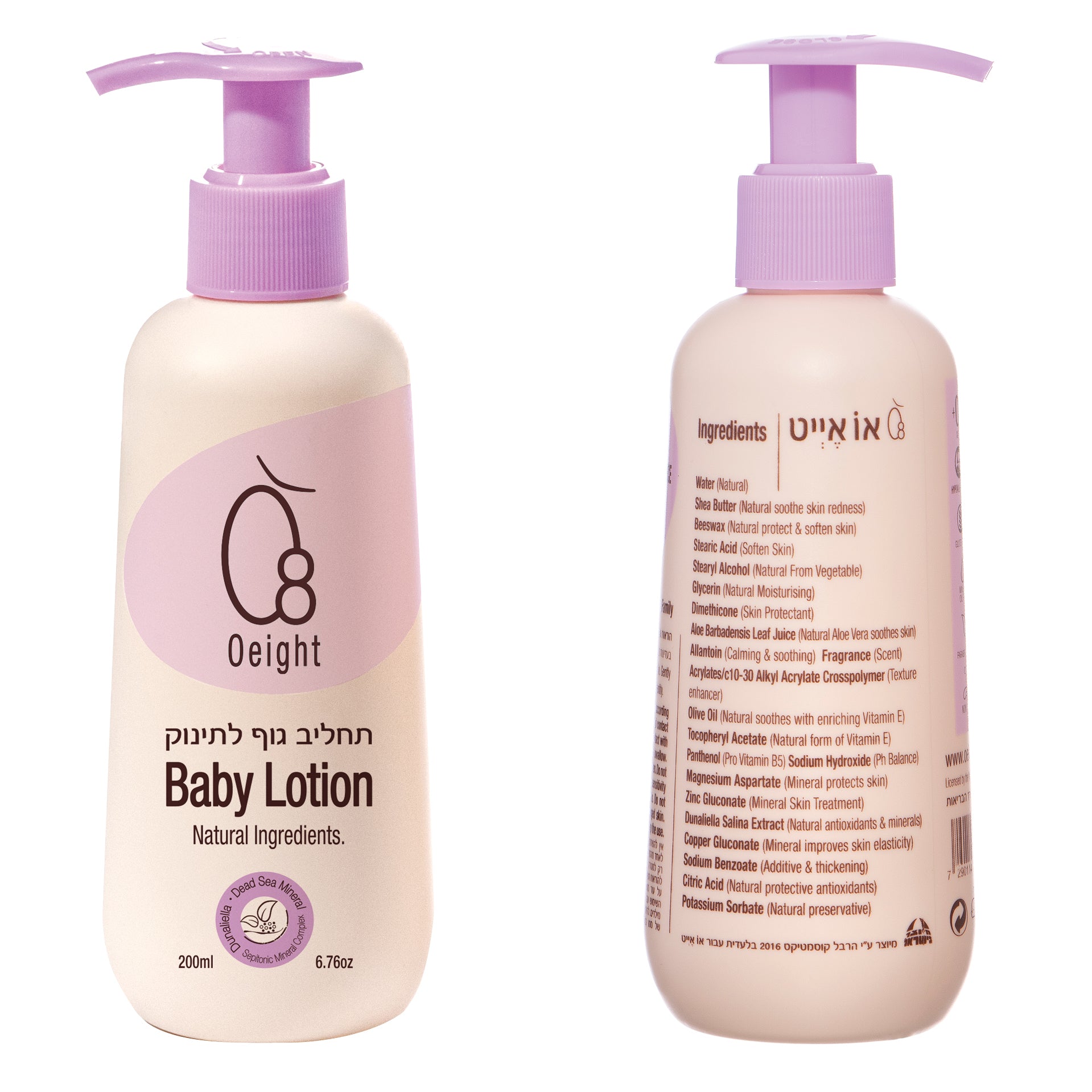
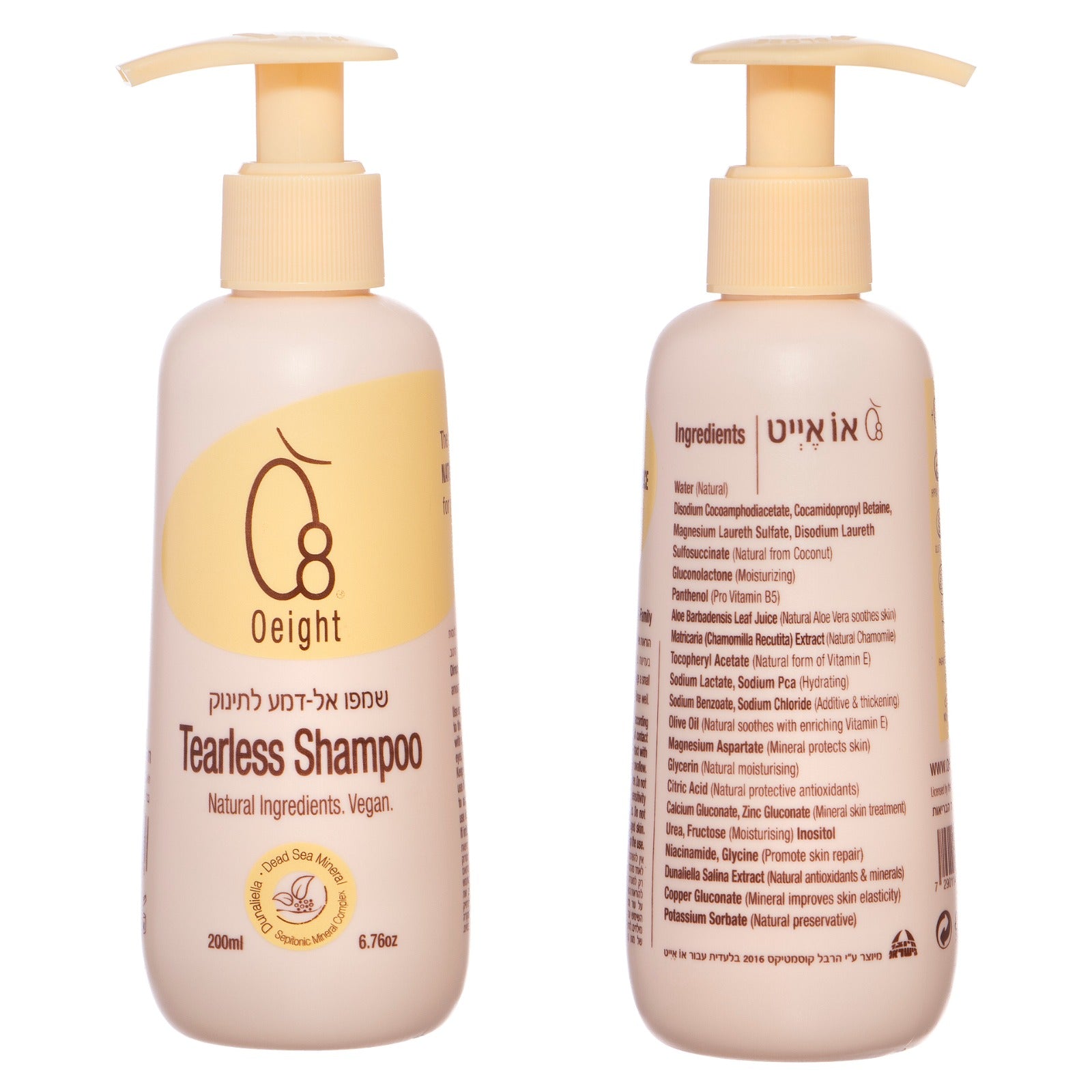
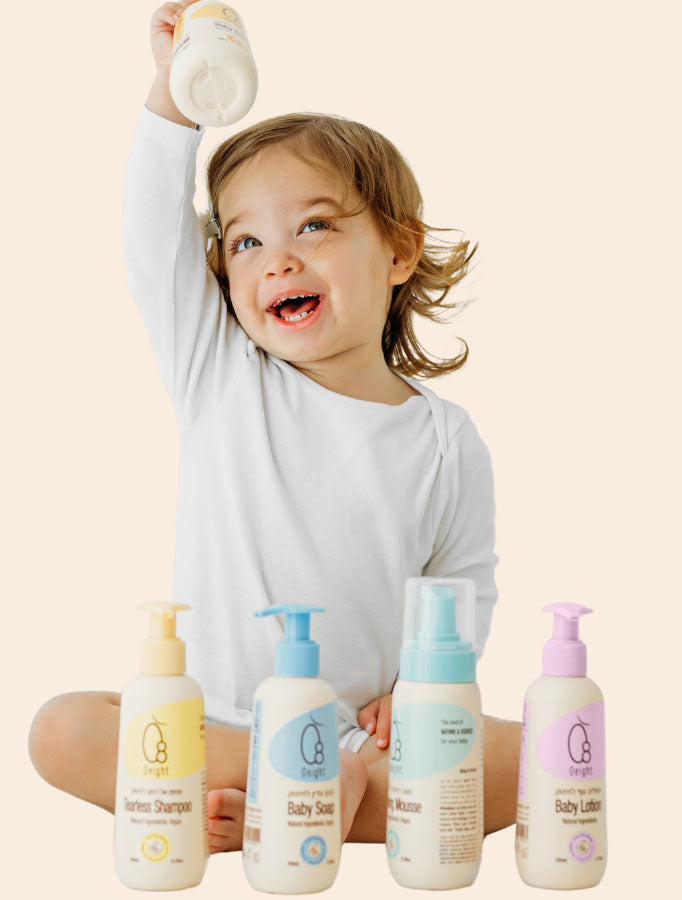
When you are choosing what to put on delicate skin, fewer and gentler ingredients are usually better. Oeight builds its baby skincare around a US-patented Dunaliella Salina (Dead Sea microalgae) formula, with zero synthetic fragrances and a highly concentrated, all-in-one approach designed to simplify a sensitive-skin routine.
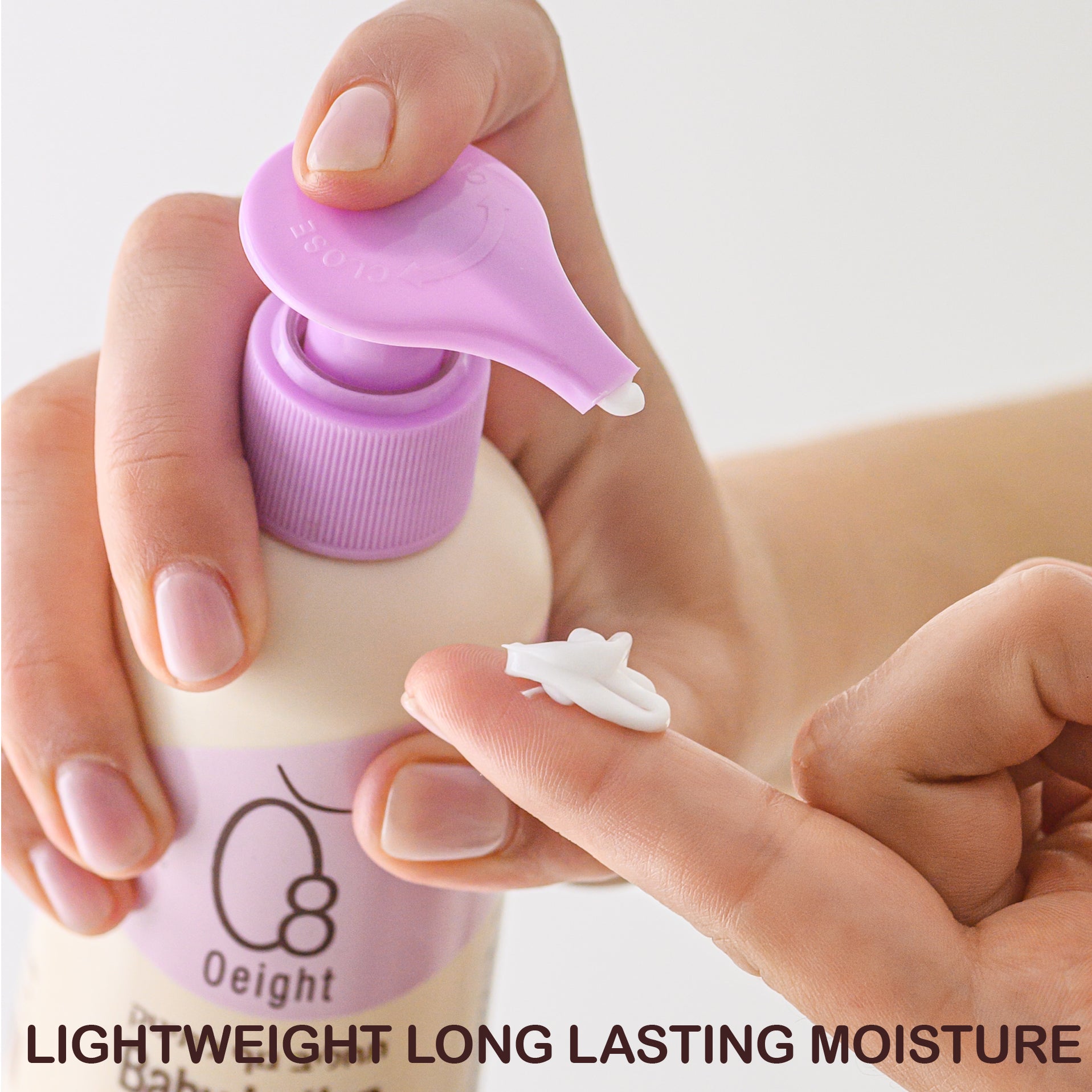
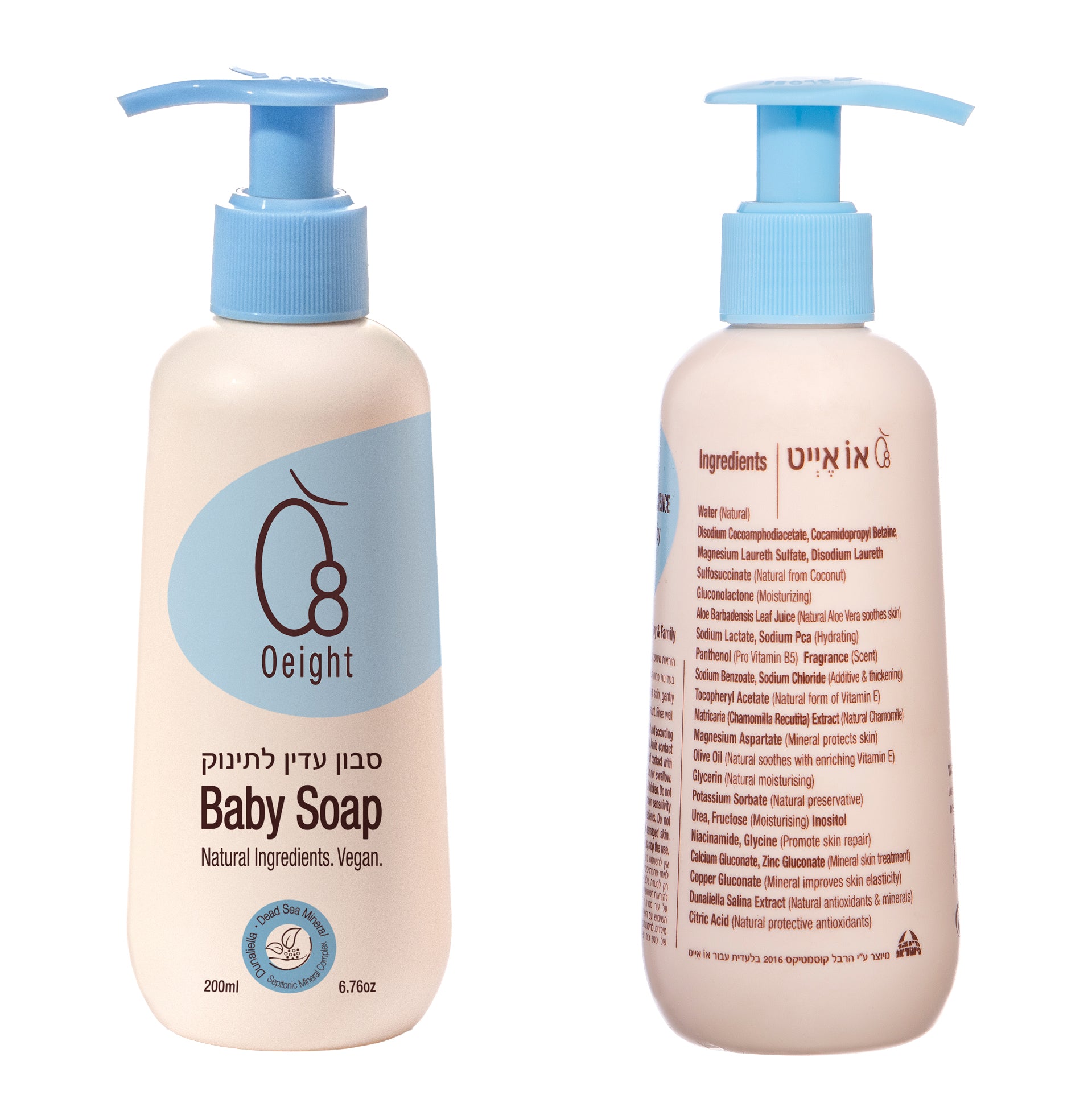
If you are looking for a daily option, you can explore their baby lotion for dry skin, or pair it with a gentle wash from their natural baby soap and wash collection for a low-irritant bath routine. As with any new product, do a small patch test first and introduce it gradually.
When to See a Doctor
Most baby dry skin is harmless, but a few signs warrant medical attention. Contact your pediatrician or a board-certified dermatologist if you notice:
- Persistent itch that disturbs sleep or feeding
- Cracking or bleeding from dry, fragile skin
- Redness, yellow crusting, oozing, or swelling, which can signal a bacterial infection, or a fungal infection in warm, moist skin folds
- Fever alongside worsening skin
- Dry patches that keep returning despite a consistent moisturizing routine
- Widespread peeling or scaling beyond normal newborn shedding
About Prescription Treatments
If a doctor diagnoses eczema rather than simple dryness, care may go beyond moisturizers. Depending on severity and your child's age, a pediatrician or dermatologist may prescribe a topical corticosteroid or another cream, and for moderate-to-severe cases that do not respond to topical treatment, may discuss other options. These are physician-directed decisions, and age approvals vary, so they should always be guided by your child's doctor rather than started on your own.
Frequently Asked Questions
Why is my baby's skin so dry and flaky?
A baby's skin barrier is still developing, so it loses water and flakes easily. In newborns, peeling is part of normal shedding after birth. Beyond that, the usual triggers are frequent or hot baths, harsh or fragranced products, and dry air. Regular moisturizing on damp skin resolves most cases.
What is the best remedy for dry skin on a baby?
Moisturizing right after a bath, on slightly damp skin, with a fragrance-free cream or ointment. Pair that with shorter, lukewarm, less-frequent baths and a humidifier in dry weather. For very dry patches, a thicker ointment works better than a thin lotion.
How often should I moisturize my baby's dry skin?
At least once a day, ideally right after the bath. For dry-prone skin, twice a day (morning and bedtime) plus a top-up after face or hand washing helps keep the barrier hydrated.
When should dry baby skin worry me?
When it is itchy, cracked, bleeding, weepy, crusted, or spreading, or if it keeps returning despite good moisturizing. These can point to eczema or infection rather than simple dryness, and they are worth a check with your pediatrician.
The Bottom Line
Dry skin on a baby is common, usually normal, and very responsive to a few gentle habits: moisturize on damp skin, bathe less often in lukewarm water, choose fragrance-free skin care products, and match the texture and frequency to the season. Watch for itch, cracking, or patches that will not clear, since those are the cues to involve your pediatrician. With a simple, consistent routine, most babies stay soft and comfortable year-round.
Sources
- American Academy of Pediatrics, HealthyChildren.org: Bathing Your Newborn
- Mayo Clinic: Baby bath basics: A parent's guide
- American Academy of Dermatology: How to bathe your newborn and winter eczema skin care
- Johns Hopkins Medicine: Managing Eczema in Winter and Year Round: A Parent's Guide
Content reviewed periodically to keep guidance current. Last reviewed: 2026