

Gentle Ways to Soothe Baby Eczema Naturally
Parents usually notice baby eczema during ordinary moments: a rough cheek after a nap, red patches behind the knees, or a baby rubbing their face into bedding because itchy skin keeps interrupting rest. For families searching for guidance on How to Soothe Baby Eczema Naturally, the most useful answer is not a miracle ingredient but a repeatable skin routine that protects the skin barrier and reduces triggers.
Baby eczema, often called atopic dermatitis, is a common inflammatory rash that causes dry skin, irritation, scratching, and sleep disruption. This guide explains eczema causes, the natural remedies with the best scientific evidence, the ingredients to avoid, and the exact home care steps that help many babies feel more comfortable.
Introduction: What Baby Eczema Looks and Feels Like

Baby eczema is a common inflammatory skin condition that creates dry, itchy, irritated patches, and it often appears before a child can show discomfort in words. In infants, eczema symptoms usually show up as red patches, rough texture, or a persistent rash on the cheeks, scalp, arms, legs, or skin folds.
Parents often first notice fussiness, rubbing against sheets, or scratching that gets worse at night, because infant eczema tends to intensify when heat, saliva, and friction build up. The National Eczema Association notes that atopic dermatitis is driven by a weak skin barrier, which matters because visible redness is only part of the problem; moisture loss and inflammation are already active before a flare-up looks severe.
Natural care helps most when symptoms are mild to moderate, when the goal is daily skin hydration, and when parents want to prevent worsening between episodes. Home remedies can calm skin and support barrier repair, but they are not a guaranteed cure, and persistent or severe rash still needs a pediatrician’s judgment.
Common Signs Parents Notice First
Red or pink patches on the cheeks, scalp, elbows, knees, and skin folds are classic early signs, especially when the skin also feels dry or rough. A baby who keeps rubbing their face on bedding may be showing itch before obvious scratching begins.
When Natural Care Helps Most
Natural remedies work best for routine maintenance, mild flare-ups, and trigger avoidance between more difficult episodes. Cleveland Clinic and Mayo Clinic guidance consistently supports gentle skin care first, because eczema usually improves when moisture is restored and irritants are removed.
Why Baby Eczema Happens
Baby eczema happens because eczema-prone skin does not hold water well and lets irritants enter more easily, which makes inflammation easier to trigger. The American Academy of Dermatology describes this as a skin barrier problem, and that framing matters because treatment should focus on barrier repair, not just visible redness.
Genetics, environment, and immune response all contribute to eczema causes, so parents should not assume one product or one food explains every flare-up. A family history of eczema, asthma, or allergies can raise risk, but poor hygiene does not cause atopic dermatitis, and overcleansing can actually make the rash worse.
When the barrier is weak, dry skin becomes more reactive after bathing, heat exposure, friction, or contact with fragrance and detergent residue. This is why two babies can wear the same outfit or use the same wash, but only one develops red patches and an itch cycle.
The Role of Dry Skin and a Weak Skin Barrier
A damaged skin barrier loses moisture faster than healthy skin, which leaves baby skin vulnerable to itching, burning, and irritation. Once scratching starts, broken skin can invite more inflammation and increase the risk of skin infection.
Common Triggers in Babies
Common triggers include heat, sweat, fragranced skin products, rough fabrics, saliva, and laundry detergent. Seasonal dryness, viral illness, and drool around the chin or neck also trigger many flare-ups because they repeatedly stress already fragile skin.
A Gentle Natural Routine That Actually Helps
The most effective natural plan is a simple routine repeated every day, because consistency outperforms product-hopping in eczema care. Mayo Clinic and the National Eczema Association both emphasize that gentle skin care lowers flare frequency more reliably than occasional home remedies used only after the rash looks angry.
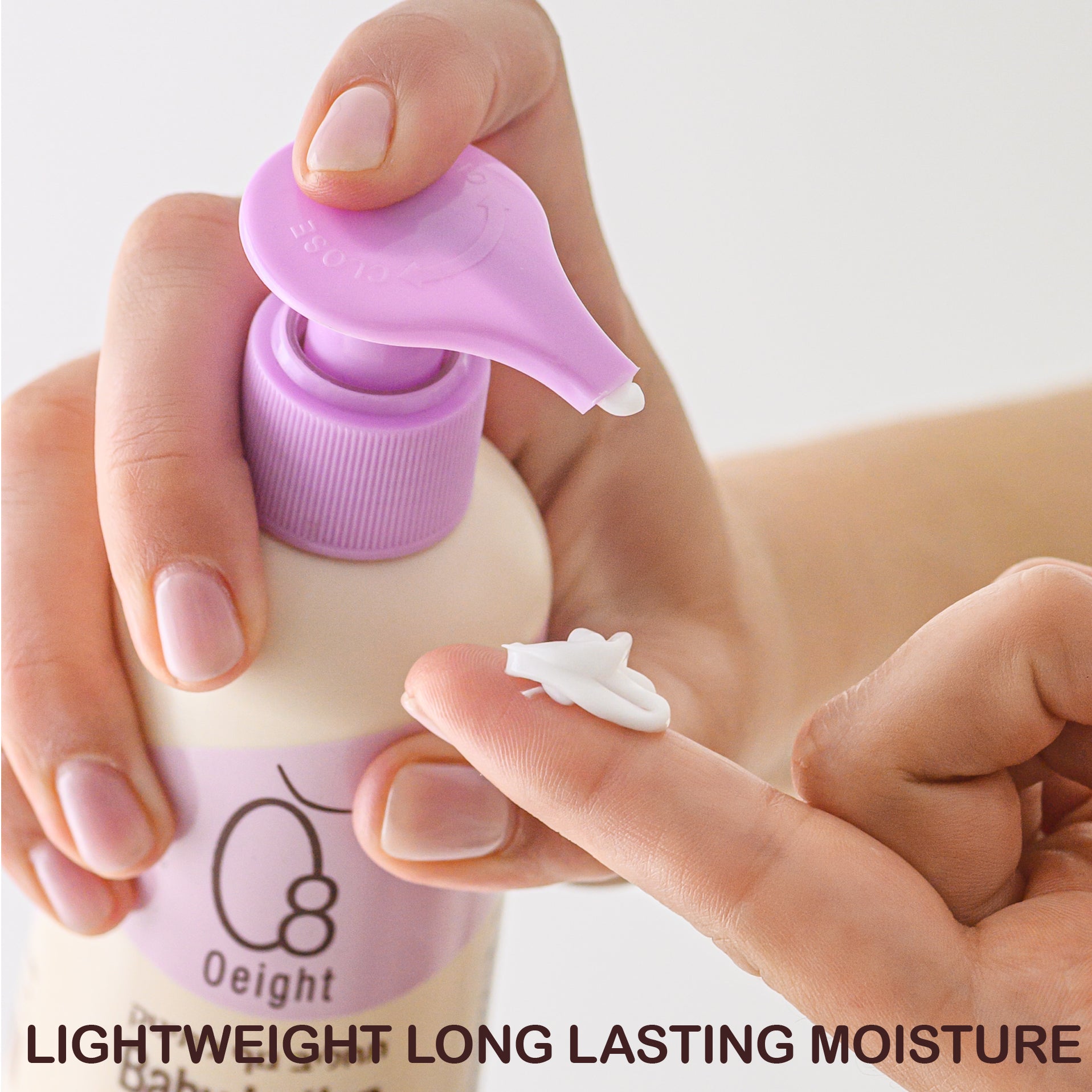
Start with a lukewarm bath, use a fragrance-free cleanser sparingly, and apply a thick moisturizer or emollient within minutes. Patch test any new baby eczema cream, oil, or wash on a small area first, because even gentle products can irritate sensitive baby skin.
Use Lukewarm Baths, Not Hot Water
A short lukewarm bath helps hydrate the outer skin layer without stripping too many natural oils. Hot water may feel soothing during the bath, but it increases dryness afterward and can intensify itchy skin within hours.
Choose a Mild, Fragrance-Free Cleanser
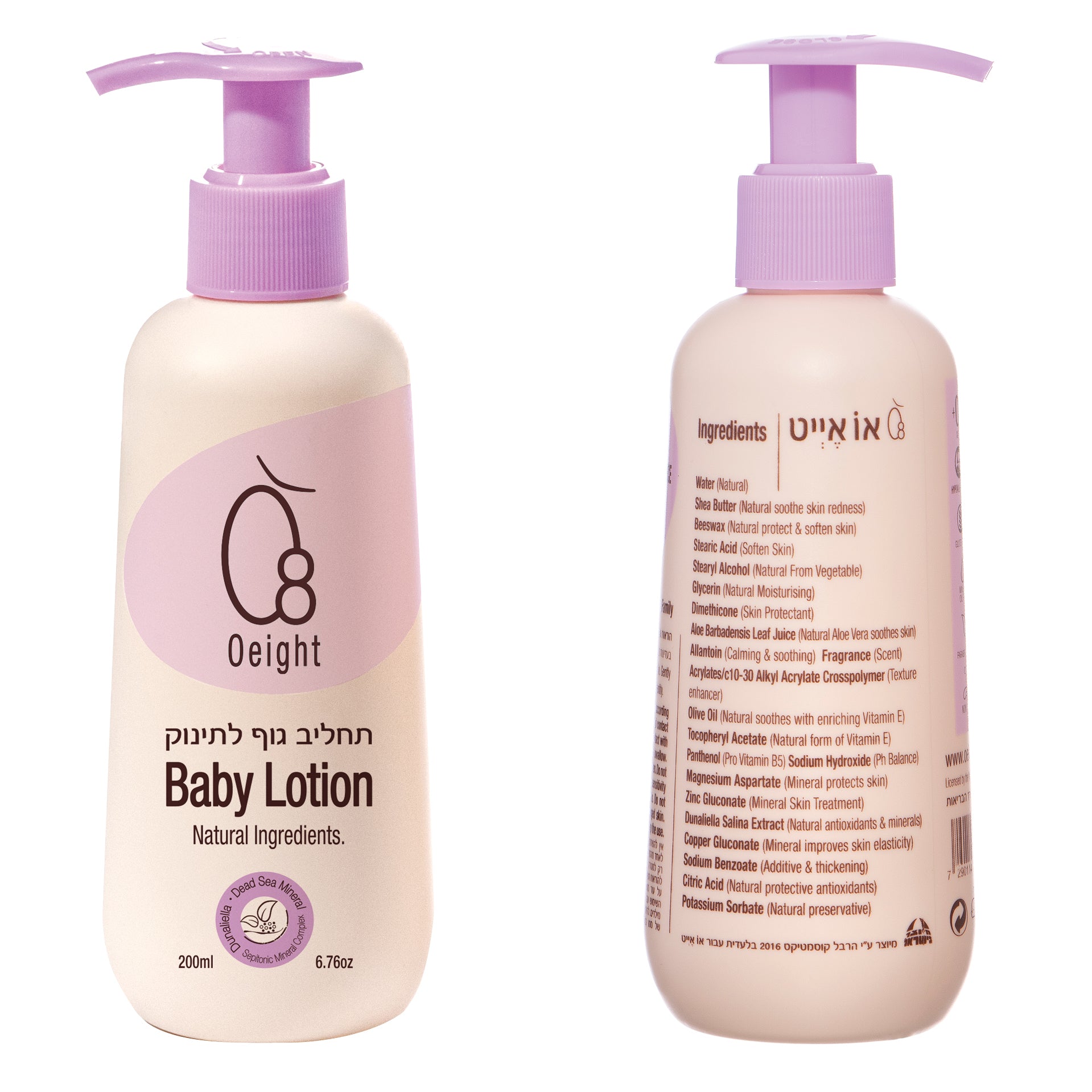
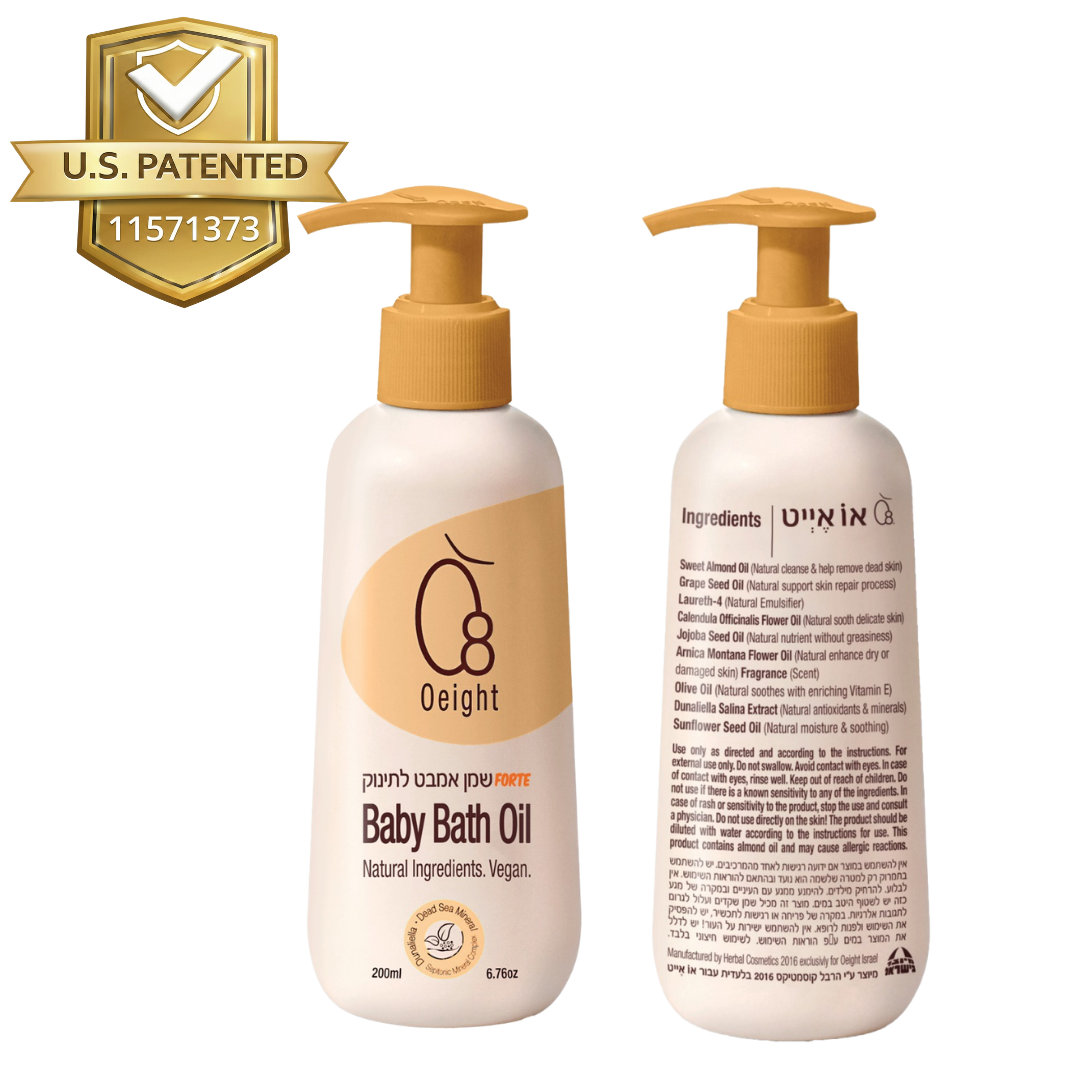
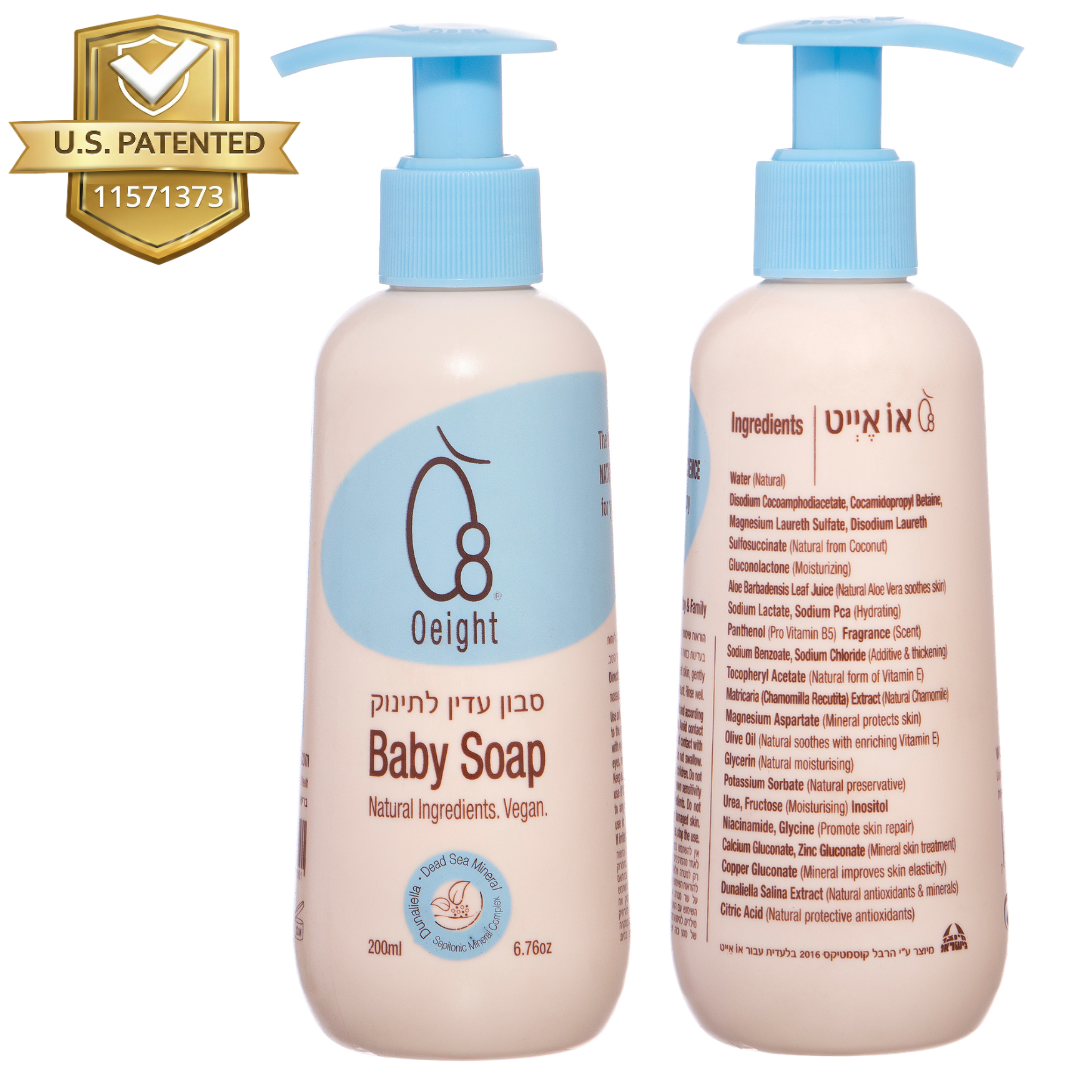
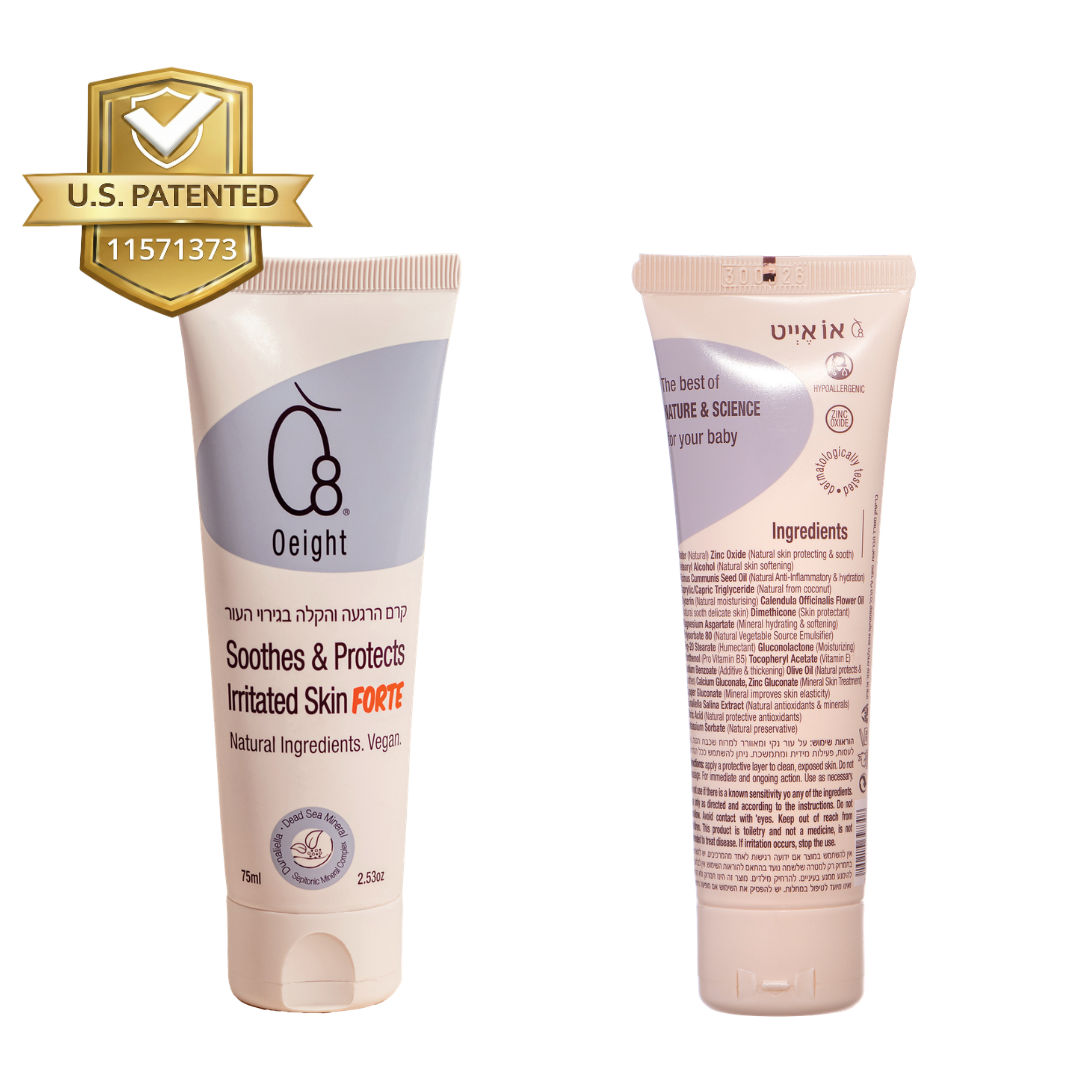
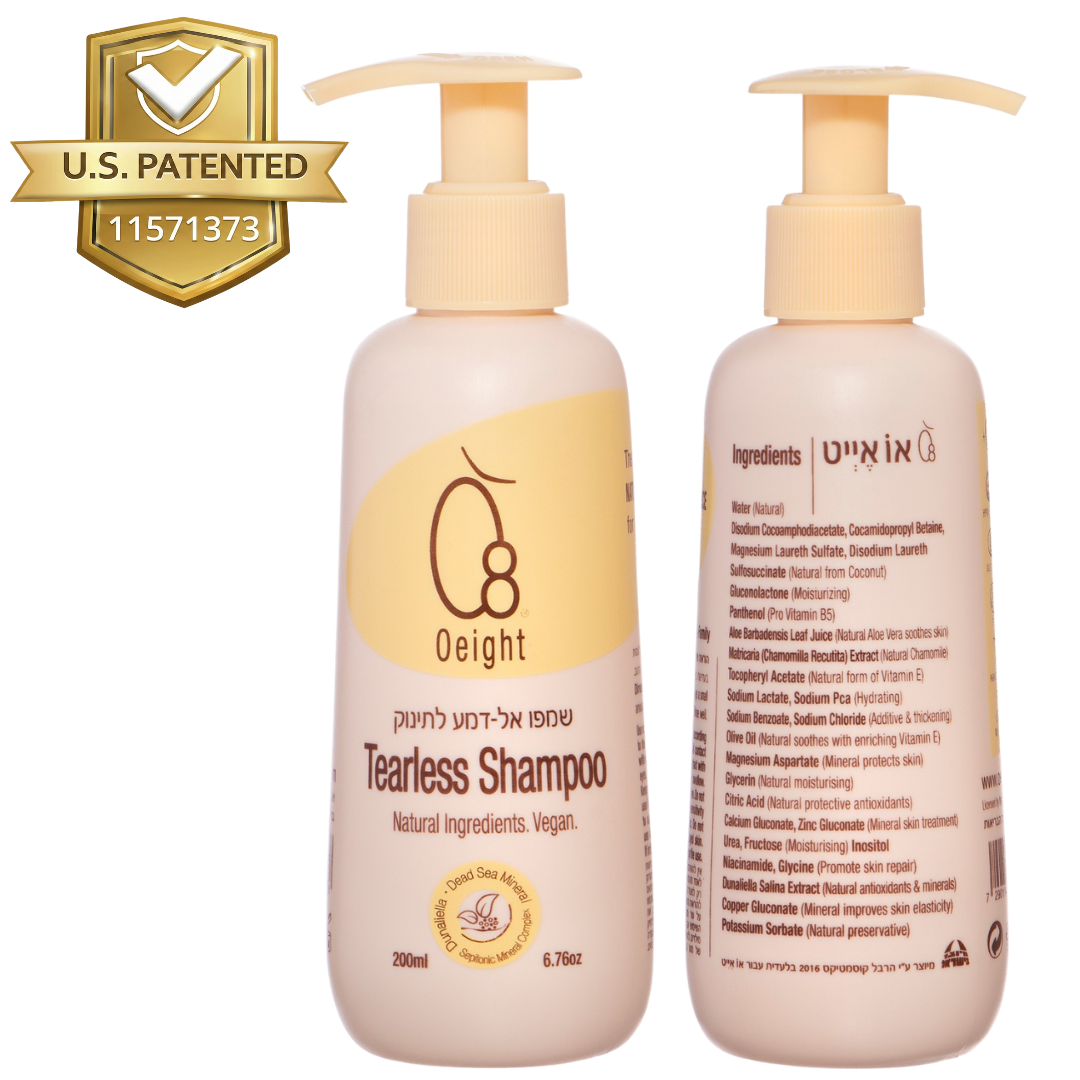
Use a fragrance-free cleanser only where needed, rather than washing the entire body aggressively every day. Parents looking for a tearless baby shampoo and wash should prioritize non-stripping formulas such as those offered by Oeight, because mild cleansing supports barrier repair better than heavily scented “natural” washes.
Moisturize Immediately After Bathing
Pat dry instead of rubbing, then apply an emollient within about three minutes. The soak and seal method matters because water left unsealed evaporates quickly, while immediate moisturizing improves skin hydration and reduces the chance of a fresh flare-up.
Natural Remedies With the Best Support
Natural remedies deserve a higher standard than social media trends, because babies have thin, reactive skin and “plant-based” does not mean low-risk. The options with the best support are those that either improve barrier function or provide itch relief without adding fragrance, alcohol, or complex botanicals.
Introduce one remedy at a time and watch for changes over several days. Scientific evidence for infant eczema is uneven, but colloidal oatmeal, cold pressed coconut oil, cold pressed sunflower oil, and wet wraps have broader dermatology support than most viral home remedies.
Colloidal Oatmeal Baths
Colloidal oatmeal can calm itching and temporarily reduce irritation during a flare-up. An oatmeal bath is most useful as a soothing step, not a stand-alone treatment, because eczema still needs moisturizer afterward to hold in water.
Cold Pressed Coconut Oil
Cold pressed coconut oil may improve moisture retention and has mild antibacterial properties in some studies. Use plain, high-quality coconut oil only on intact skin, because broken skin can sting or react even to simple oils.
Sunflower Seed Oil
Sunflower seed oil, especially cold pressed sunflower oil made for skin use, is often recommended for barrier support. It can improve skin hydration without the heavier feel some parents notice with other oils, which makes it practical for daily use on mild dry patches.
Wet Wraps for Short-Term Relief
Wet wraps can reduce itch and help an emollient work better during a flare-up. Ask a pediatrician before frequent use, because wraps are helpful for short-term control but can become irritating if used incorrectly or too often.
Natural Ingredients to Approach Carefully
Many parents assume botanical products are automatically safer, but infant eczema often worsens when too many plant extracts are layered onto inflamed skin. The safest rule is simple: avoid experimenting on broken skin, oozing areas, or rapidly worsening rash.
Patch test every new botanical product on a small area first, then wait 24 to 48 hours. This matters most with “natural” creams that include long ingredient lists, because irritation often comes from added fragrance or mixed extracts rather than the headline ingredient.
Aloe Vera, Calendula, and Botanical Creams
Aloe vera gel, calendula, and herbal baby eczema cream may soothe some babies, but evidence is mixed and reactions happen. Choose simple formulas with few ingredients and no added fragrance, because complexity raises the chance of irritation without guaranteeing better results.
Why Essential Oils Are Usually a Bad Idea
Essential oils are common irritants and are not a first-line option for baby eczema. Concentrated oils can worsen inflammation, trigger contact reactions, and make a mild rash harder to interpret, which is why most dermatology guidance treats them as avoidable risk.
How to Reduce Triggers at Home
Trigger avoidance is often as important as moisturizer, because eczema usually reflects repeated friction between vulnerable skin and the baby’s environment. Parents who simplify products, fabrics, and temperature changes often identify the real trigger faster than those who keep adding new creams.
A symptom log helps connect flare-ups to heat, detergent, drool, or a new wash routine. Cleveland Clinic and the American Academy of Dermatology both support this practical approach because eczema patterns are often easier to see on paper than in memory.
Clothing, Bedding, and Laundry Choices
Use cotton clothing and breathable bedding, and avoid wool, rough seams, and overdressing. Wash clothes with fragrance-free detergent and skip fabric softeners, since detergent residue and perfume are frequent triggers for sensitive baby skin.
Temperature, Sweat, and Drool Management
Heat and sweat can intensify the itch cycle quickly, especially during sleep. Keep rooms cool, change damp clothes promptly, and protect drool-prone areas with gentle cleaning and a thin layer of emollient to reduce friction.
Scratch Control Without Stress
Nail trimming lowers skin damage from scratching and reduces the chance of broken skin becoming infected. Soft mittens or scratch sleeves can help at night, but the bigger goal is itch relief, because physical barriers alone do not stop the urge to rub.
Step-by-Step Action Plan for a Flare-Up
When a flare-up appears suddenly, a simple sequence works better than panic-buying several natural remedies at once. The goal over the first 48 hours is to cool inflammation, restore moisture, and remove obvious triggers while watching for signs that the rash needs medical care.
What to Do Today
1. Give a short lukewarm bath, not a hot water soak. 2. Pat dry gently and start the soak and seal routine immediately with a thick moisturizer or emollient. 3. Dress your baby in soft cotton clothing and use clean, breathable bedding. 4. Stop fragranced lotions, soaps, and laundry products if they are in use. 5. If needed, try one well-tolerated option such as colloidal oatmeal or plain sunflower seed oil on intact skin.
What to Watch Over the Next 48 Hours
Track whether redness, scratching, and sleep disruption improve after the routine changes. If the rash becomes crusty, weepy, painful, or widespread, seek a pediatrician’s advice because those signs can point to skin infection or a diagnosis other than eczema.
Common Mistakes That Make Baby Eczema Worse
Many eczema setbacks come from well-meant habits that stress the skin barrier instead of protecting it. Parents do not need more effort; they need fewer irritants, fewer variables, and a more consistent routine.
Overbathing or Using Harsh Soaps
Too much washing strips oils and leaves dry skin even more reactive. A gentle wash routine with a mild cleanser is better than frequent scrubbing, because friction and foaming agents can worsen inflammation after the bath ends.
Trying Too Many Remedies at Once
Using multiple oils, creams, and home remedies together makes it impossible to know what helped or harmed. Introduce one change at a time and observe for several days, because clear cause-and-effect is essential in trigger tracking.
Ignoring Signs of Infection
Scratching can open the skin and allow bacteria in, especially when broken skin stays moist under clothing or drool. Yellow crusting, pus, fever, spreading pain, or sudden worsening needs prompt medical attention, since infected eczema rarely improves with natural care alone.
When to Call a Pediatrician or Dermatologist
Natural care has real value, but it has limits when eczema is severe, persistent, or complicated by infection. A pediatrician or dermatologist can confirm whether the rash is atopic dermatitis, seborrheic dermatitis, contact dermatitis, or another condition that needs different treatment.
Professional evaluation matters when severe itching disrupts sleep, when the skin bleeds, or when home care has not improved symptoms after several days. Mayo Clinic and Cleveland Clinic both stress that an accurate diagnosis changes treatment choices, which is why stubborn rash should not be managed by trial and error indefinitely.
Signs the Rash Needs Medical Evaluation
Call for medical advice if your baby has widespread rash, intense scratching, bleeding skin, poor sleep, or signs of skin infection. Also seek help if the rash does not improve with gentle skin care, because not every red patch is eczema.
Questions Parents Can Ask at the Appointment
Ask which moisturizer or emollient is safest, how often to bathe, whether trigger testing is useful, and when prescription treatment makes sense. Bring photos of flare patterns and a list of products used, since that history helps a dermatologist spot patterns quickly.
Key Takeaways for Soothing Baby Eczema Naturally
The most effective natural approach to baby eczema is a routine built around barrier repair, not a search for a fast cure. Short lukewarm baths, immediate moisturizing, and trigger avoidance do most of the work because they directly address dry skin, inflammation, and the weak skin barrier behind eczema symptoms.
Supportive product choices also matter. A mild fragrance-free cleanser, a simple baby eczema cream or emollient, and a tearless baby shampoo and wash such as a gentle Oeight formula can reduce unnecessary irritation while keeping cleansing practical for daily life.
Natural remedies can help, but the strongest results usually come from repeating the basics consistently and watching for patterns. When parents protect baby skin, reduce heat and fragrance exposure, and respond early to each flare-up, many babies become more comfortable and sleep better even before stronger treatment is considered.
FAQs
How to clear up baby eczema fast?
The fastest safe approach is a short lukewarm bath, immediate moisturizing with a thick emollient, and removing common triggers like fragrance, heat, and rough fabrics. If symptoms are severe, painful, or infected, contact a pediatrician.
What is the 3 rule for eczema?
Many parents use the “3 rule” to mean moisturizing within about 3 minutes after bathing. The phrase is used differently across sources, so the important point is to seal in water quickly and watch patterns over several days.
What is the biggest trigger for eczema in babies?
There is no single biggest trigger for every baby. Common triggers include dry skin, fragranced products, heat, sweat, detergent, drool, and scratchy fabrics, so a symptom log is often the fastest way to identify your child’s main trigger.