

Ultimate Guide to Choosing a Body Wash for Sensitive Baby Skin in 2026
Bath time is supposed to be soothing, yet many parents notice redness, rough patches, or extra fussiness right after the tub. In this 2026 update of the ultimate guide to choosing body wash for sensitive baby skin, the goal is simple: clean gently without triggering irritation, by learning how baby skin works, how to read an INCI list, how to choose the right baby body wash or baby shampoo and wash, and how to test new products safely.
Start With Baby Skin Basics (Why “Sensitive” Is Different)
A baby’s skin barrier is still developing, so “sensitive baby skin” can react to products that seem fine on adult skin. The stratum corneum is thinner, so transepidermal water loss is higher, and skin can feel tight and get irritated faster, which is why steady care for skin matters.
Triggers are not always obvious on a label: fragrance, parfum, dyes, essential oils, and botanical extracts can cause problems, and over-bathing, hot water, long soaking, or poor rinsing can worsen dryness or inflammation like eczema, also called atopic dermatitis. Claims like hypoallergenic or “natural” are not guarantees, so treat each new baby body wash as a trial and moisturize promptly, with options some families tolerate such as mineral oil.
Signs Your Baby’s Wash Might Be the Problem
To tell whether your baby’s wash might be the problem, watch for these signs around bath time, especially with products that contain fragrance, are labeled unscented, or include essential oils.
-
Redness or stinging right after baths, plus crying or rubbing at the skin, often linked to a wash that’s too stripping.
-
Dryness, rough patches, or worsening cradle cap that flares after using the same wash.
-
Rash in common “suds spots” like armpits, neck folds, or diaper edges, suggesting contact irritation where residue lingers, especially if the formula includes parabens.
-
Widespread inflamed patches that may point to an eczema flare.
-
Hives or swelling, which can signal a possible allergy and needs prompt attention.
When to Talk to a Pediatrician or Dermatologist?
Call your pediatrician if you see oozing, yellow crusting, fever, rapidly spreading redness, or signs of infection, since bacteria can enter compromised skin and waiting often makes treatment harder. If you suspect eczema or atopic dermatitis, ask for a plan rather than only switching products, a clinician can guide gentle bathing, moisturizer timing, and flare support.
Read the Label Like a Pro in 2026: Ingredients to Look For and Avoid
Start with an ingredient breakdown mindset: the fewer moving parts, the easier it is to identify triggers. For sensitive baby skin, fragrance-free is usually the safest baseline because fragrance and parfum are among the most common sensitizers, and unscented does not always mean fragrance-free if masking fragrance is used.
Next, focus on how the product cleanses. Surfactants lift oils and dirt, but stronger ones can strip too much and worsen dry skin, so many babies do best with mild surfactants and a short INCI list.
Then look for supportive ingredients that help skin feel comfortable after rinsing. Humectants like glycerin pull water into the upper layers, and emollients help smooth and soften, but be cautious with “active” botanicals because botanical extracts and essential oils can be sensitizing even when marketing emphasizes purity.
Finally, put claims in context. Tear-free can reduce eye sting, pH-balanced can help, and “dermatologist-tested” may sound reassuring, but none of these guarantees that a product will suit sensitive skin.
Gentle Cleansing Agents (Surfactants) That Tend to Be Better Tolerated
| Surfactant system | What it can mean for sensitive baby skin | What to check on the label |
|---|---|---|
| glucosides | often gentler and less stripping | short INCI list, fragrance-free |
| isethionates | can cleanse without removing too many skin lipids | avoid strong irritants if eczema-prone |
| decyl glucoside | a common mild option in baby body wash | watch overall formula, not one ingredient |
| cocamidopropyl betaine | some families avoid it due to impurity reactions | patch test if your baby has reacted before |
| preservatives like phenoxyethanol | tolerated by many babies, but can bother a subset | compare reactions and keep other variables stable |
Helpful Add-Ins for Sensitive Baby Skin
Glycerin is one of the most practical humectants for baby body wash because it helps reduce post-bath tightness without a long list of botanicals. Some washes include skin conditioners that support comfort, colloidal oatmeal is widely used for soothing, petrolatum-mineral oil blends can reduce friction and dryness during cleansing, and ceramides are a plus when present, though not required for a wash to be gentle.
Ingredients to Be Cautious With (Especially for Eczema-Prone Babies)
Fragrance, parfum, essential oils, and botanical extracts are common reasons a “gentle” wash still causes problems, the skin may read them as an irritant or allergen, particularly in babies with eczema or a family history of allergies. Also watch for harsher cleansing and drying ingredients: sodium lauryl sulfate can be too stripping for sensitive baby skin, and alcohol denat, strong acids, and certain preservative systems can be troublesome for some babies, which is why a simple, fragrance-free formula is often the easiest starting point.
Choose the Right Product Type for Your Baby’s Needs
Choose based on baby’s skin and scalp, not the label on the front. If you are troubleshooting reactions and want to limit exposures, a 2-in-1 wash and shampoo can simplify the routine and make it easier to see what your baby tolerates.
For everyday sensitive skin, look for a gentle, fragrance-free wash with mild surfactants, then use moisturizer after the bath. For eczema-prone babies, go with an even more minimal formula and a routine that emphasizes barrier care. If you are dealing with cradle cap, follow scalp-specific guidance from your pediatrician.
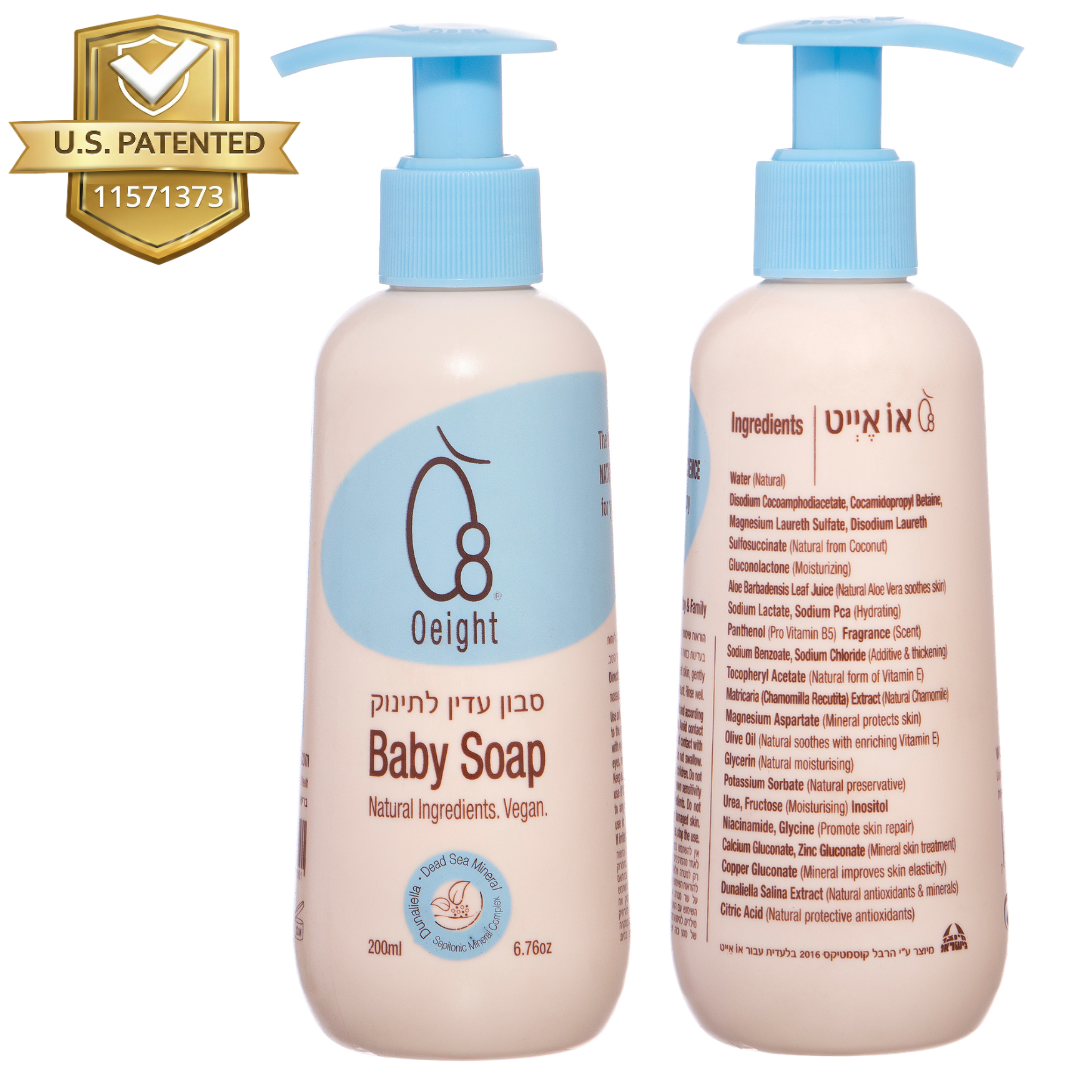
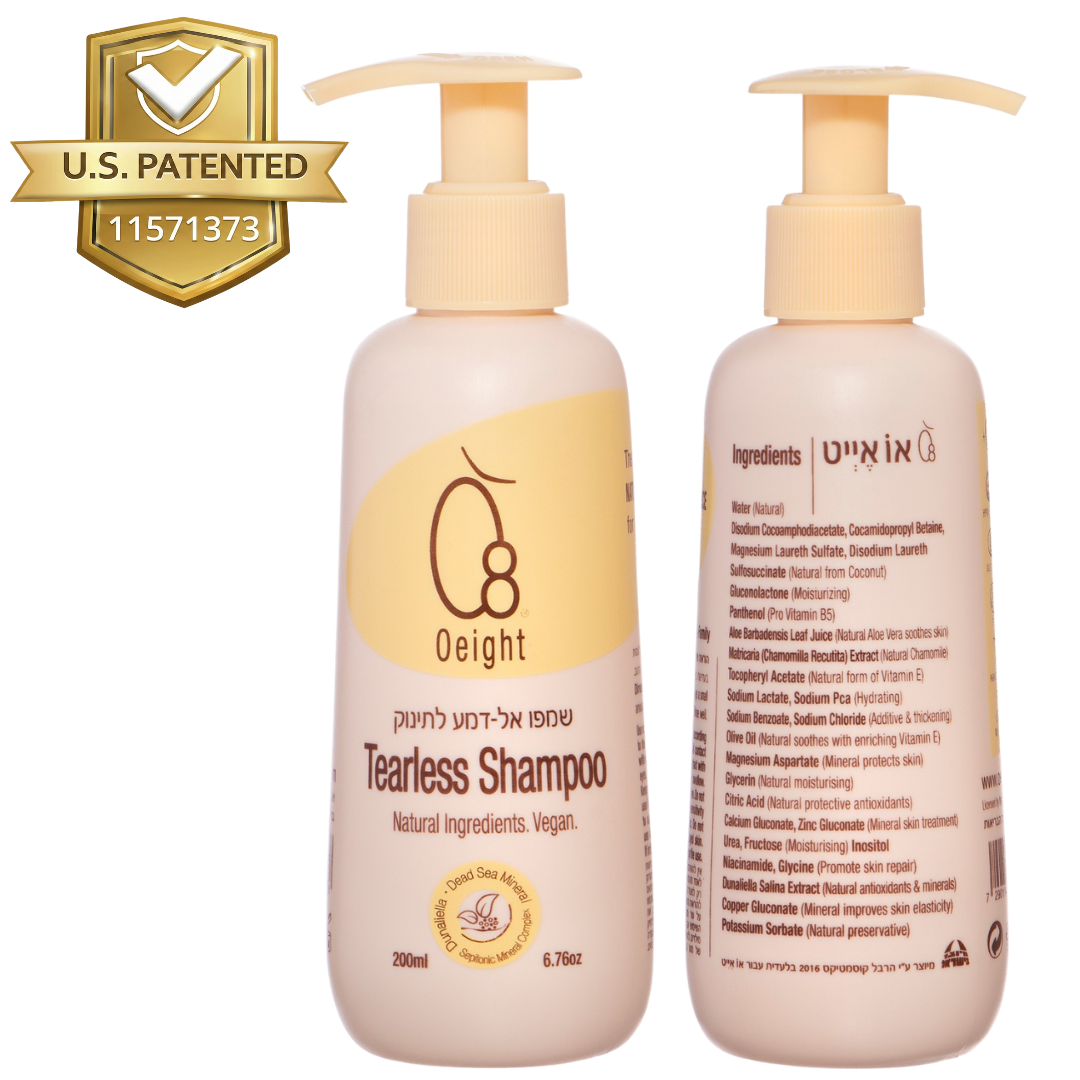
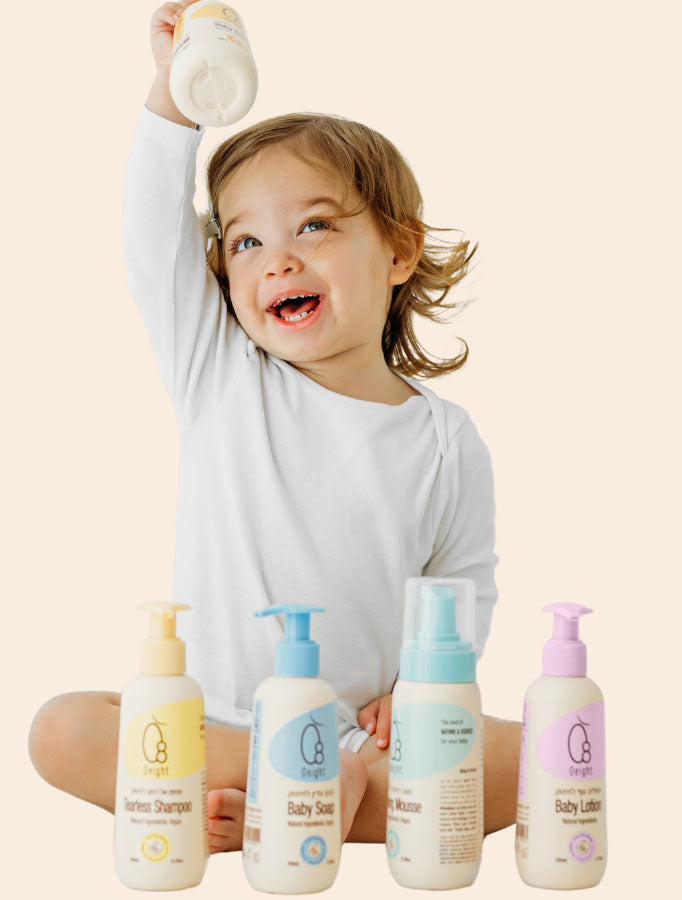
For consistency and dosing, choose pumps, foams, travel sizes, and keep testing before committing. If you have “clean” preferences, prioritize performance and tolerability, because natural ingredients can still irritate and commercial formulas can be mild. To compare options, start with BabyGearLab, Allure, The Bump, Pregnancy Magazine, and note commonly mentioned products like Johnson's Sensitive Care Baby Body Wash & Shampoo, Aveeno Baby Daily Moisture Wash & Shampoo, Cetaphil Baby Wash & Shampoo, Eucerin Baby Wash & Shampoo, Babo Botanicals Sensitive Baby Shampoo & Wash, Burt’s Bees Baby Nourishing Body Wash. For Oeight positioning, keep outcomes first, protecting the skin barrier, baby’s natural scent, Protecting their skin, preserving their scent, oeight baby body soap gentle sensitive vegan sls free gluten free, oeight baby body soap copy, sensitive skin collection.
Step-by-Step: How to Test and Introduce a New Baby Body Wash
How to Test a New Baby Wash Safely
Follow these steps to introduce a new wash and monitor how your baby's skin responds.
Step 1: Patch test first (At-Home)
For Lover Care, choose a small area like the outer arm or outer leg, apply a tiny amount once daily for 2 to 3 days, then watch for redness, bumps, or itching, stop immediately if irritation appears, take a photo, and note the INCI list so you can spot patterns later.
Step 2: Keep changes controlled for a week
Introduce the product gradually and keep other variables stable, including laundry detergent, lotion, and bath temperature, because those factors can mimic a “product reaction.”
Step 3: Tighten the bath routine
Use lukewarm water, keep baths short, use minimal soap on messy zones like hands, feet, diaper area, and neck folds, and rinse thoroughly so leftover surfactants do not keep irritating skin, a pediatrician-recommended gentle formula with ingredients like decyl glucoside can be a good baseline.
Step 4: Finish with soak and seal
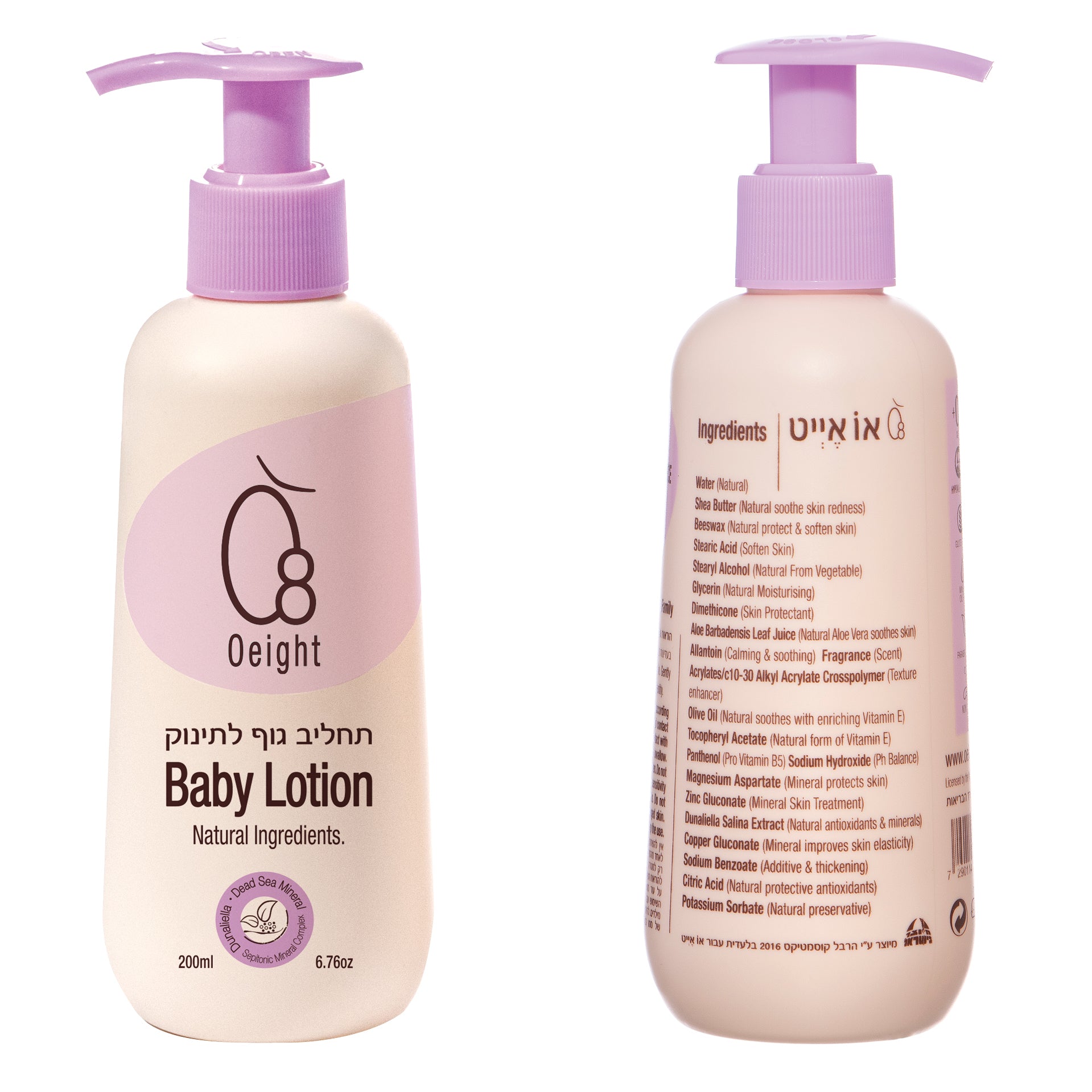
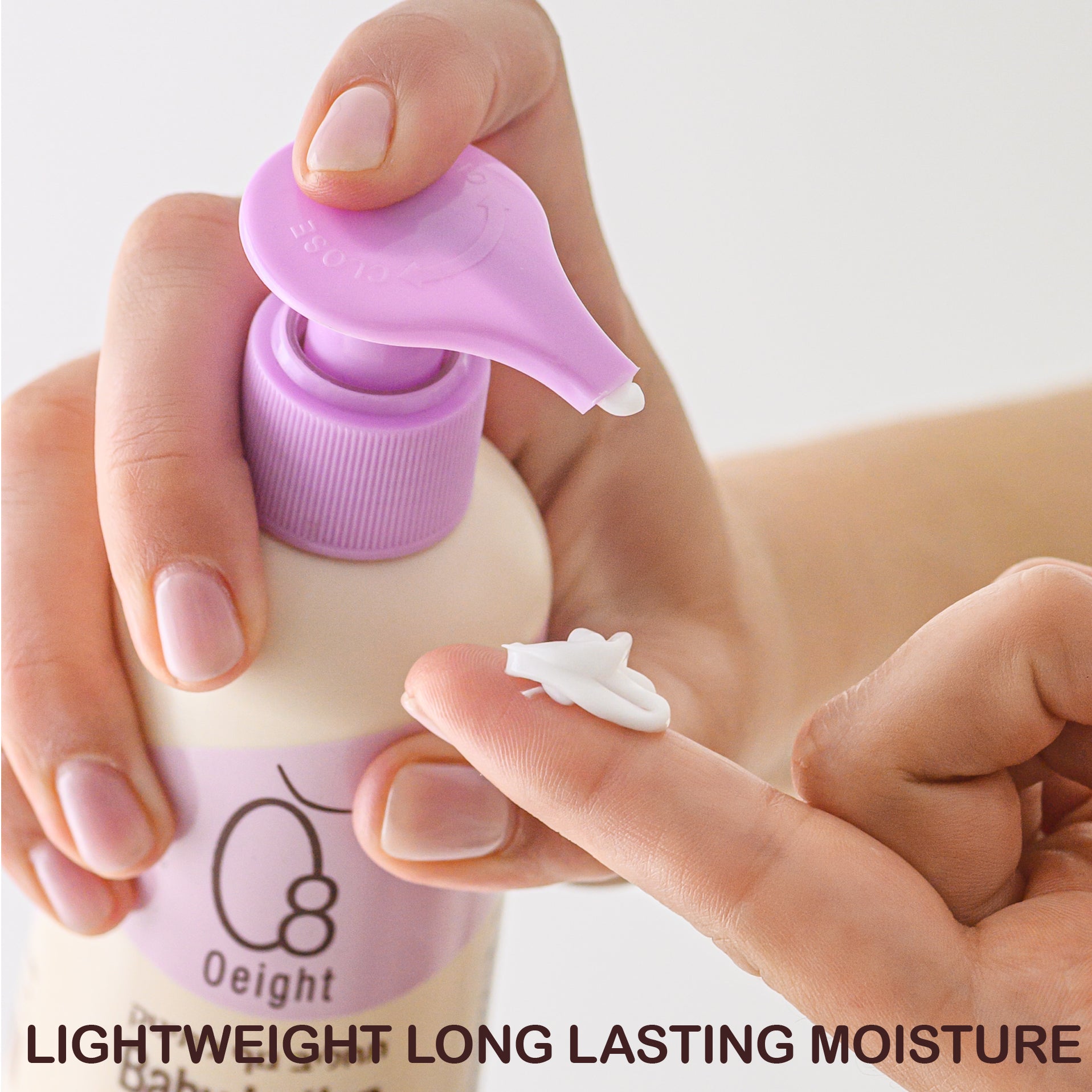
Pat skin dry gently and apply a moisturizer immediately while the skin is still slightly damp to reduce transepidermal water loss and support the skin barrier, if you want a simple option to pair with a gentle wash, Oeight’s lotion is available here: o8 oeight baby lotion natural body skin moisturizer with dunaliella salina dead sea minerals soothes softens nourishes protects skin 6 76 oz.
Common Mistakes Parents Make (and Easy Fixes)
Too much product: More foam does not mean cleaner skin, and extra surfactants can dry out the stratum corneum and increase irritation, so use less and rinse well.
Using adult body wash: Even if it is labeled gentle, adult formulas often include fragrance, stronger surfactants, or exfoliating additives, so stick to baby shampoo and wash when skin is reactive.
Trend-chasing: Switching products every few days, using heavily scented “sleep” washes, or layering multiple botanical extracts can keep a rash going, so boring is often better: fragrance-free, minimal ingredients, and consistent moisturization.
Missing non-wash triggers: Hard water, hot baths, rough towels, and fragranced laundry products can worsen dry skin and eczema, so control these factors even if the wash seems fine.
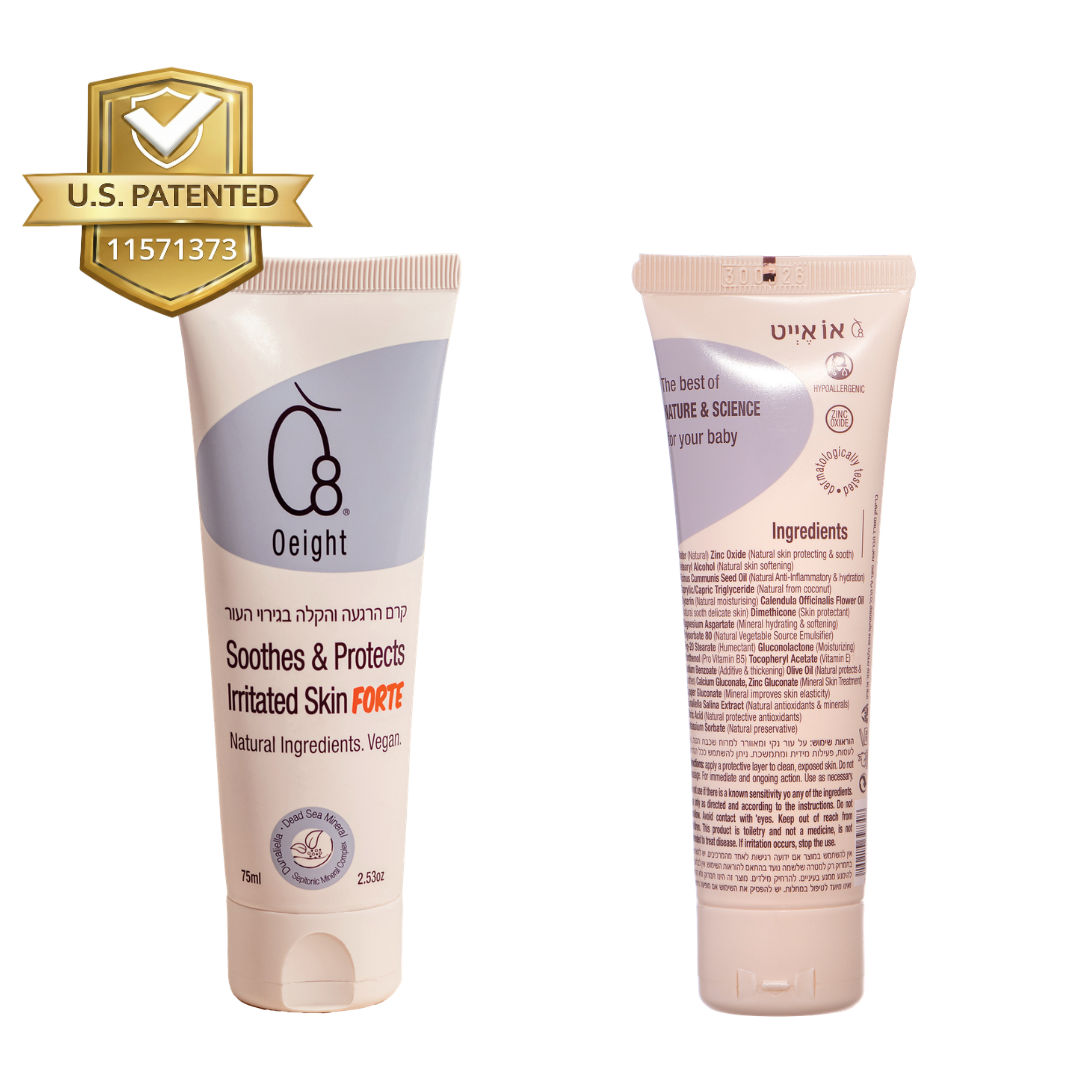
Diaper area irritation: Barrier protection matters as much as cleansing, so consider a zinc-based option like oeight diaper rash cream 100 natural active ingredients enriched with zinc calendula olive oil castor seed oil and pro vitamin b5, and double-check the product details before use.
Tracking for a fast fix: Keep a simple log of bath days, products used, water temperature, and skin changes to spot patterns quickly, including whether preservatives show up in the same products used before flare-ups, and adjust your bath routine based on what you learn.
Quick Troubleshooting Checklist and Mini Case Examples
If dryness is the main issue, reduce soap use, shorten the bath, switch to a formula built around mild surfactants, and apply a richer moisturizer immediately after bathing using soak and seal. If a rash appears, stop any new products and simplify to the basics, and if it persists, worsens, or looks infected, consult your pediatrician for guidance.
Conclusion
Choosing the right baby body wash is about protecting the skin barrier with mild surfactants, fragrance-free formulas, and a steady bath routine. Read the INCI list, patch test, and use soak and seal moisturization so sensitive baby skin stays calmer. If irritation persists or you suspect eczema, talk to a pediatrician or dermatologist for a clear plan.