

Why Does My Baby Have Dry Skin? 5 Common Triggers Parents Miss
Your baby likely has dry skin because their skin barrier is still developing and loses moisture faster than adult skin, making it highly sensitive to everyday triggers most parents never suspect. The five usual culprits are overheating indoors, bath time habits, hidden irritants, weather changes, and the wrong skin care products.
The reassuring part: mild skin dryness in babies is common and rarely serious. Small changes usually restore soft skin within a few days. This guide walks through the five triggers parents miss, how to fix each one, and when dryness signals something that needs a pediatrician. It reflects current guidance from the American Academy of Pediatrics and the American Academy of Dermatology.
TL;DR: Key Takeaways
- Dry baby skin is usually normal. A thin, immature skin barrier loses water quickly, so flaking and peeling are common, especially in newborns.
- Five triggers parents miss: overheating indoors and low humidity, bath time habits, hidden irritants (laundry detergent and baby wipes), cold weather and temperature swings, and harsh skin care products.
- The fix is simple. Fewer irritants, lukewarm water, and a fragrance-free moisturizer applied right after bath time.
- Ingredients matter. Look for ceramides, glycerin, panthenol, petrolatum, and natural oils. Avoid synthetic fragrance and common allergens.
- Know when to call. Persistent redness, cracking, or itch may point to baby eczema (atopic dermatitis) and is worth a pediatrician visit.
First, Is Dry Baby Skin Normal?
Yes. In most cases, dry baby skin is a normal part of early development, not a sign that something is wrong.
Before birth, babies are coated in vernix, a protective waxy layer. Once it wears off, the top layer of skin often sheds, which is why newborn skin peeling on the hands, ankles, and feet is so common in the first weeks.
A baby's skin barrier also contains fewer of the natural fats and ceramides that lock in water, so skin dryness and mild skin flaking appear quickly. Understanding the triggers below makes prevention much easier.
5 Common Triggers Parents Miss
1. Overheating indoors and low humidity
The most overlooked trigger is dry indoor air. Central heating creates warm, low humidity conditions that pull moisture straight out of delicate baby skin.
Overheating indoors also makes babies sweat, which adds to skin irritation. A cool-mist humidifier in the nursery and a comfortable room temperature go a long way.
2. Bath time habits
A long or hot bath feels soothing but strips the skin's natural oils. Bathing too often has the same effect.
Switch to lukewarm water, keep baths to five to ten minutes, and use gentle skin cleansing rather than harsh soap. Pat skin dry and moisturize immediately while it is still damp.
3. Hidden irritants in laundry and wipes
Residue from scented laundry detergent and fragranced baby wipes is a frequent, hidden source of skin irritation.
These irritants and allergens can trigger contact dermatitis or worsen existing dryness. Switch to a fragrance-free, dye-free detergent and fragrance-free wipes, and run an extra rinse cycle on baby laundry.
4. Cold weather and temperature swings
Cold air outdoors combined with heated air indoors creates temperature swings that dry skin fast.
Winter is peak season for baby skin dryness and skin cracking. Dress babies in soft, breathable layers, limit time in harsh cold air, and moisturize more often when the weather turns.
5. The wrong skin care products
Many baby products contain synthetic fragrance, dyes, and additives that irritate sensitive skin.
Choose fragrance-free, hypoallergenic formulas and patch test anything new. When it comes to dry, reactive skin, fewer ingredients almost always means fewer problems.
Quick reference: trigger and fix
| Trigger | What it does | Simple fix |
|---|---|---|
| Overheating indoors / low humidity | Pulls moisture from skin, causes flaking | Cool-mist humidifier, moderate room temperature |
| Hot or long baths | Strips natural oils, leaves skin tight | Lukewarm water, 5 to 10 minutes, moisturize after |
| Laundry detergent and baby wipes | Leaves irritating residue and allergens | Fragrance-free, dye-free products; extra rinse |
| Cold weather / temperature swings | Dries and cracks the skin barrier | Breathable layers, more frequent moisturizing |
| Harsh skin care products | Fragrance and additives cause irritation | Fragrance-free, hypoallergenic formulas |
Dry Skin or a Skin Condition? Types to Know
Ordinary dry skin flakes and improves quickly with moisturizer. If skin stays red, itchy, or inflamed, it may be a specific condition. Here are the common look-alikes:
- Baby eczema (atopic dermatitis): Recurring dry, itchy, red patches, often linked to a family history of allergies. Our complete parent's guide to baby eczema covers triggers and gentle care.
- Baby acne: Small bumps on the face in the early weeks; not flaky, and usually clears on its own.
- Contact dermatitis: Redness where skin met a specific irritant, such as a wipe or fabric.
- Drool rash and diaper rash: Localized skin irritation around the mouth or diaper area. See our guide on how to tell baby eczema from heat rash, drool rash, and other rashes.
- Less common conditions: Thick, fish-scale dryness can rarely indicate ichthyosis, and scaly plaques may suggest psoriasis. Both are uncommon in babies and should be assessed by a professional.
How to Soothe and Prevent Dry Baby Skin
The most effective routine is short, lukewarm baths followed immediately by a rich, fragrance-free moisturizer. This "soak and seal" method traps water while skin is damp.
- Bathe in lukewarm water, not a hot bath, and keep it brief.
- Use gentle skin cleansing, a mild, soap-free, fragrance-free wash.
- Moisturize within three minutes of bath time with a moisturizer or natural oils.
- Seal cracked spots with an ointment. A petrolatum-based skin protectant ointment holds moisture better than a light lotion on rough areas.
- Run a humidifier to counter low humidity and overheating indoors.
- Support skin regeneration with a consistent, minimal skin care routine every day.
A note on home remedies: some parents dab breast milk or aloe vera on minor dry patches. Both are gentle, but evidence that they treat significant skin dryness is limited, so a purpose-made moisturizer remains the reliable choice.
Choosing Skin Care Products for Dry Baby Skin
The best products for dry baby skin are fragrance-free, hypoallergenic, and built around ingredients that repair the skin barrier.
Ingredients that help
- Ceramides to replace missing skin fats.
- Glycerin and panthenol, humectants that draw in and hold water.
- Petrolatum, an occlusive that seals moisture and shields cracked skin.
- Natural oils and aloe vera, lightweight emollients that calm skin inflammation.
How popular brands compare
Trusted options take different approaches. Cerave and Eucerin lean on ceramides, Aquaphor is a classic petrolatum-based skin protectant ointment, and the QV Baby Gentle Wash, QV Baby Moisturising Cream, and QV Baby Skin Lotion are popular fragrance-free staples. Naturals-focused lines like Weleda and Mustela use plant oils and botanical extracts. The right choice is the one your baby tolerates and you will use consistently.
Safety Considerations for American Parents
- Sunscreen and young babies: The American Academy of Pediatrics advises keeping babies under six months out of direct sun, using shade and clothing first, then a mineral sunscreen on small exposed areas for older babies.
- Patch test new products so you can spot reactions to irritants or allergens.
- Test bath temperature and use lukewarm water only.
- Watch for infection. Weeping, crusting, or a spreading rash warrants a call to your pediatrician.
When to see a pediatrician: if dryness is severe, skin is cracking or bleeding, a rash spreads or lasts more than a week, or your baby seems itchy and uncomfortable.
Benefits of a Gentle Skin Care Routine for Babies
A consistent, minimal-ingredient approach to skin care for babies delivers more than smoother skin:
- A stronger skin barrier that resists everyday irritants.
- Fewer flare-ups of redness, flaking, and skin irritation.
- Faster skin regeneration so minor dry spots recover quickly.
- Better sleep and comfort, since dryness and itch disrupt rest.
- Daily bonding time through an after-bath massage.
Why Parents Choose Oeight for Dry and Sensitive Skin
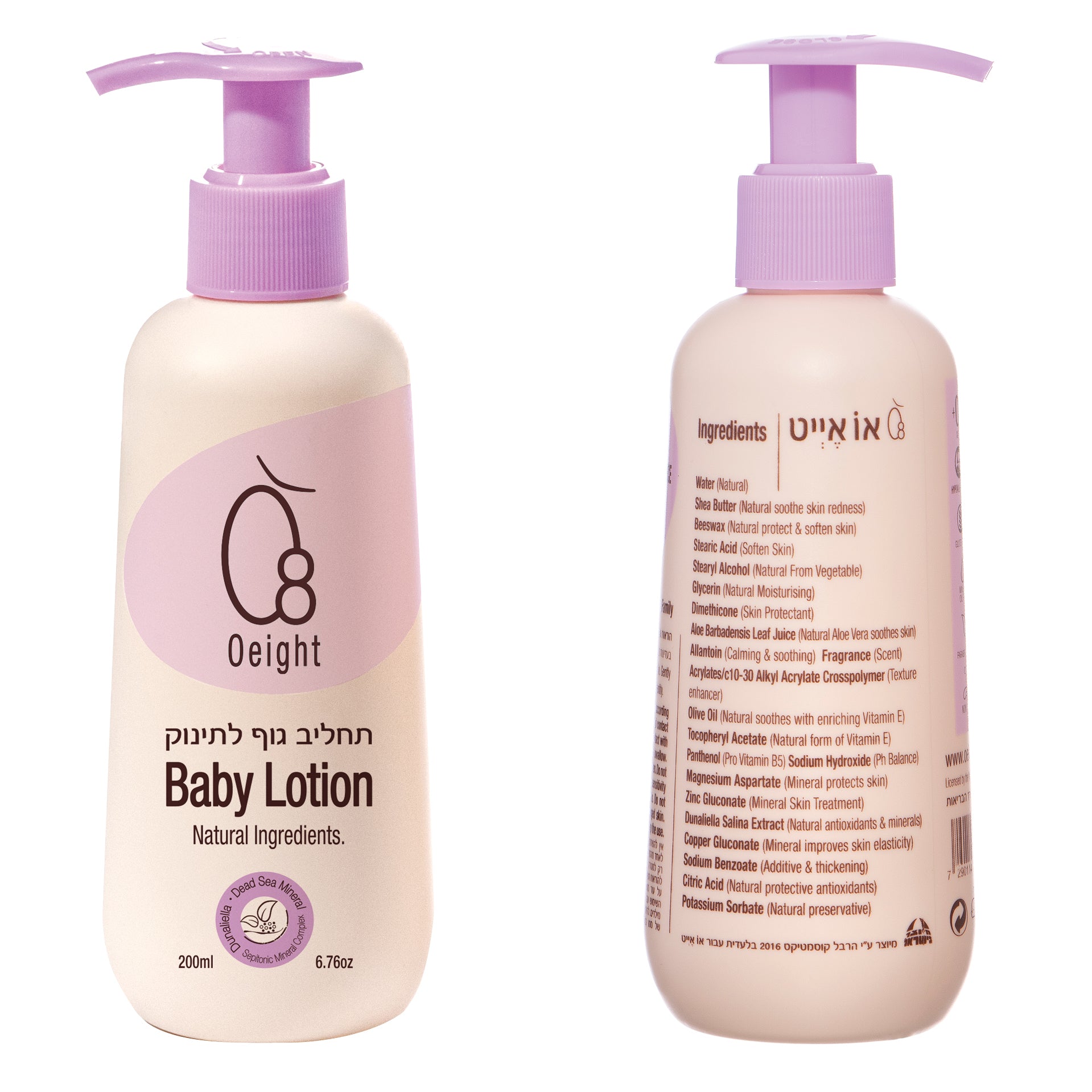
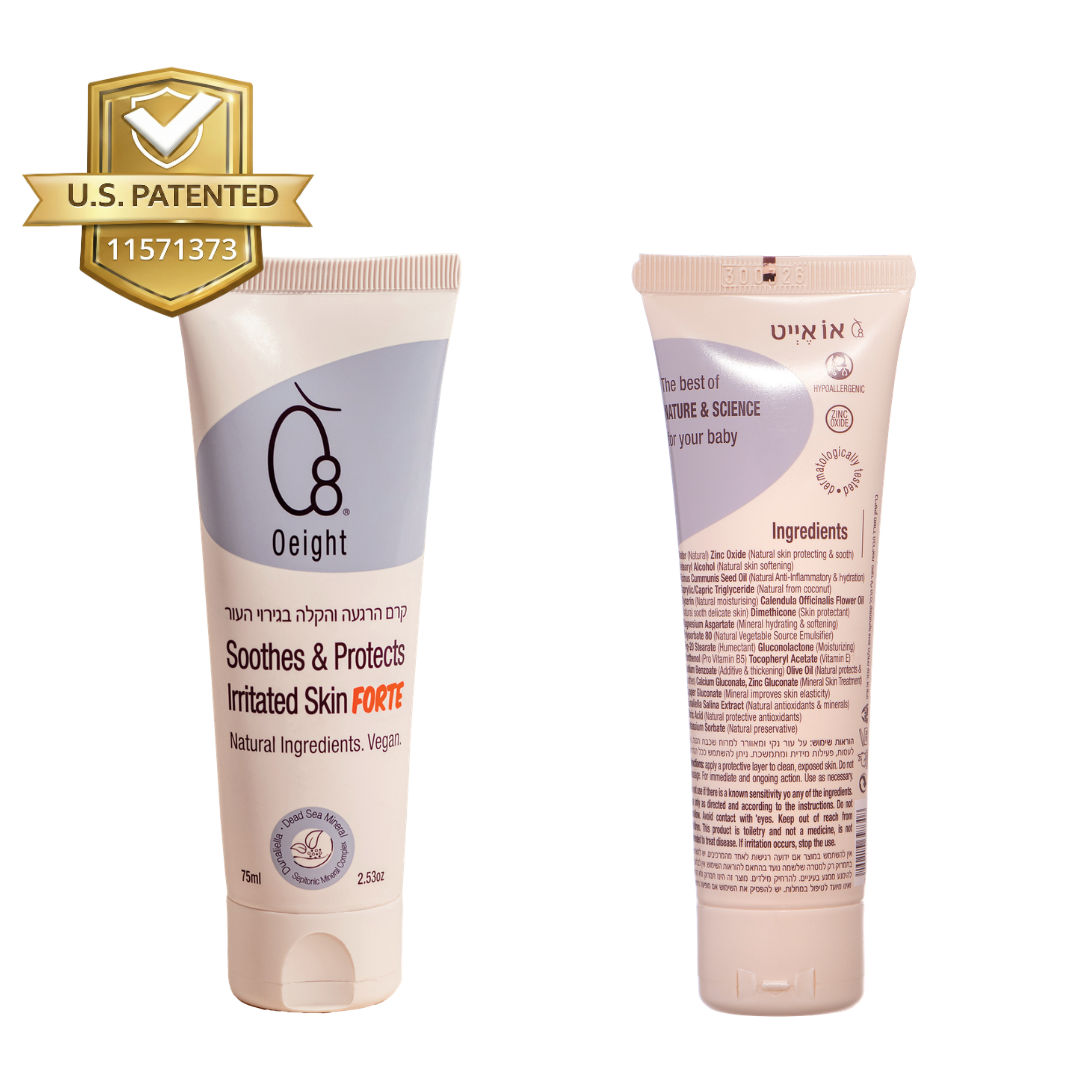
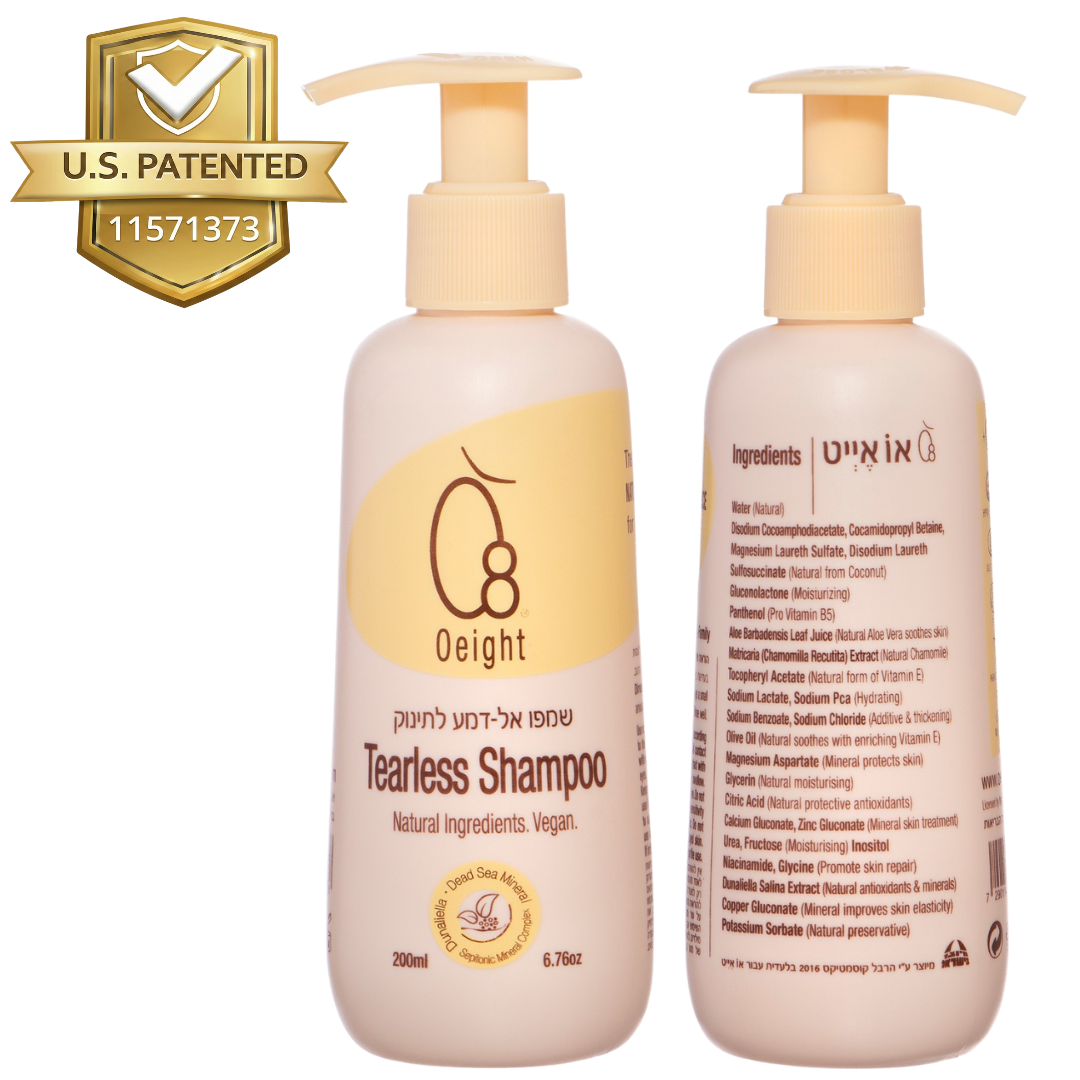
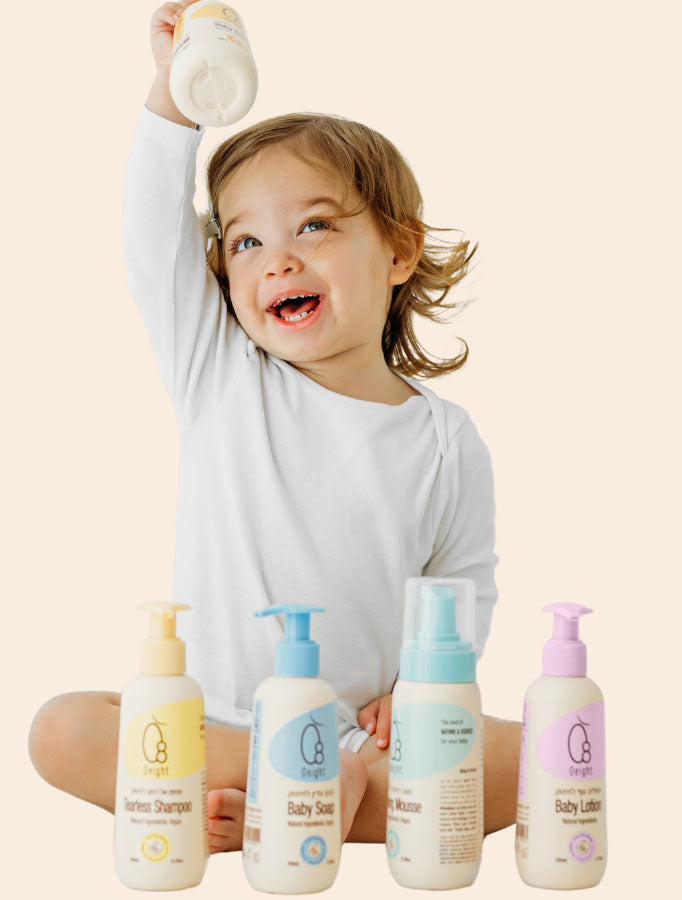
For a naturals-first option formulated specifically for delicate, dry, and sensitive skin, Oeight is worth considering. The line was developed over a decade alongside dermatologists, allergists, and chemists to strengthen the skin barrier rather than mask symptoms.
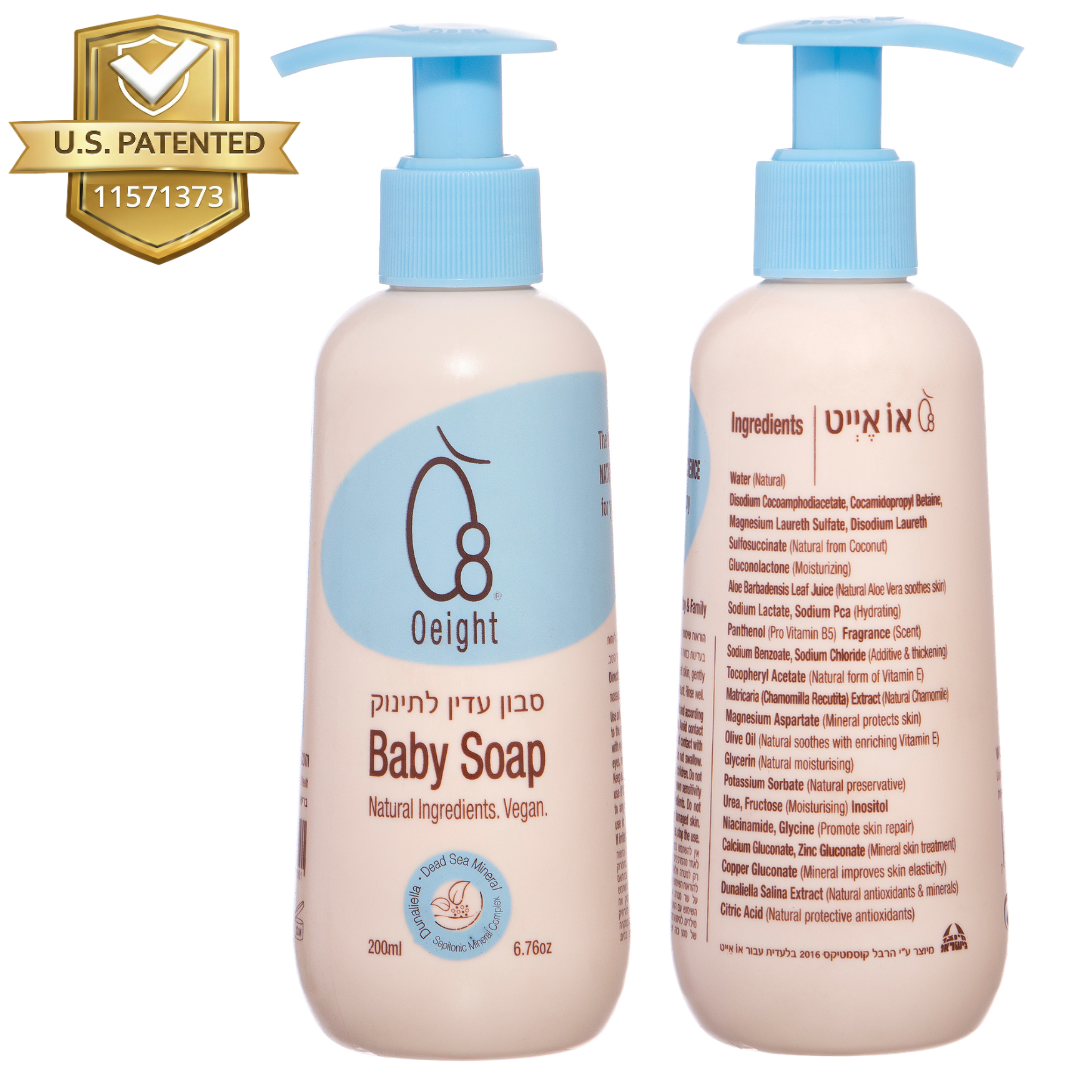
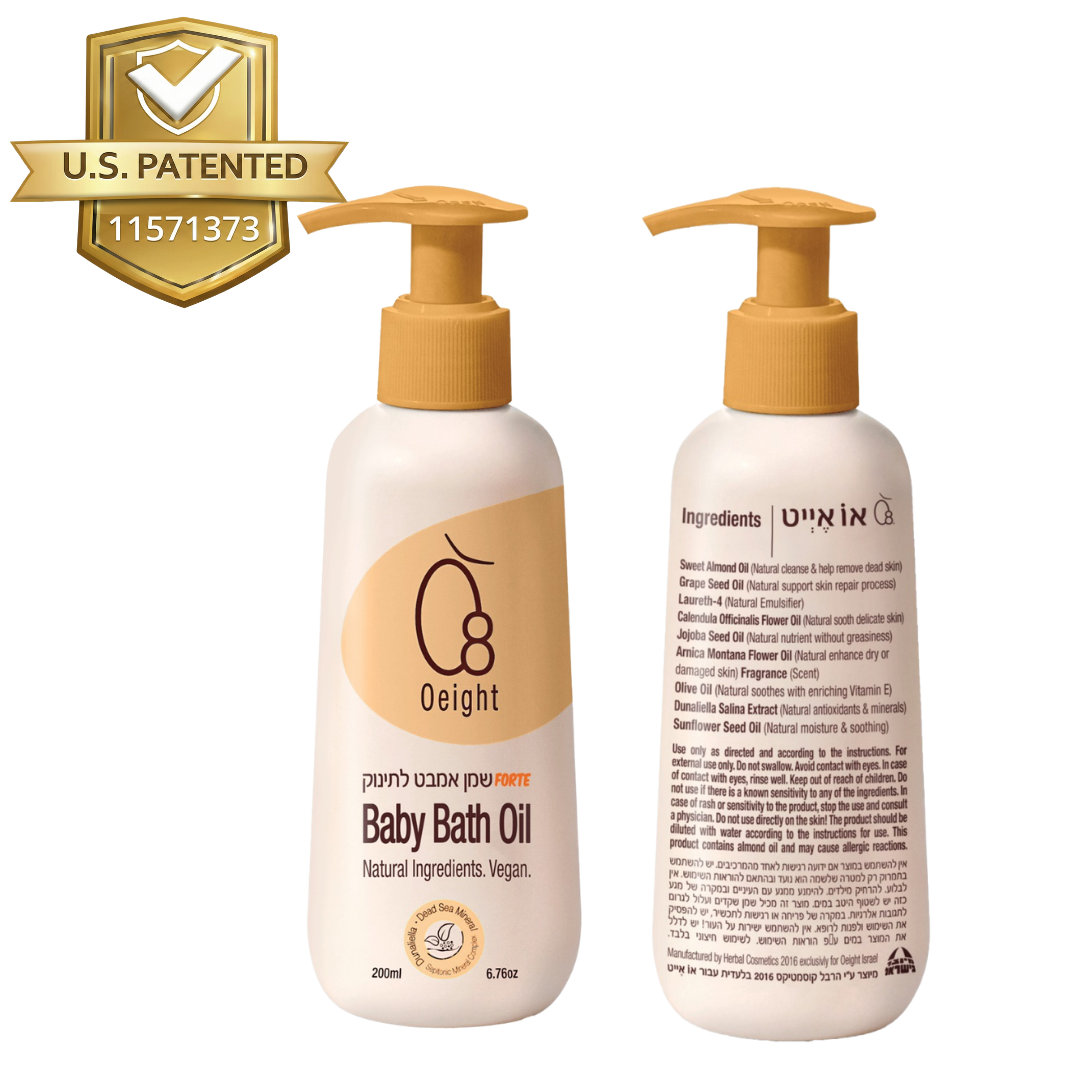
- A US-patented natural formula built around Dunaliella Salina, a Dead Sea microalgae rich in beta-carotene and antioxidants that support skin regeneration (US Patent No. 11571373).
- Zero synthetic fragrances, with no parabens or sulfates, a strong fit for hypoallergenic, sensitive skin needs.
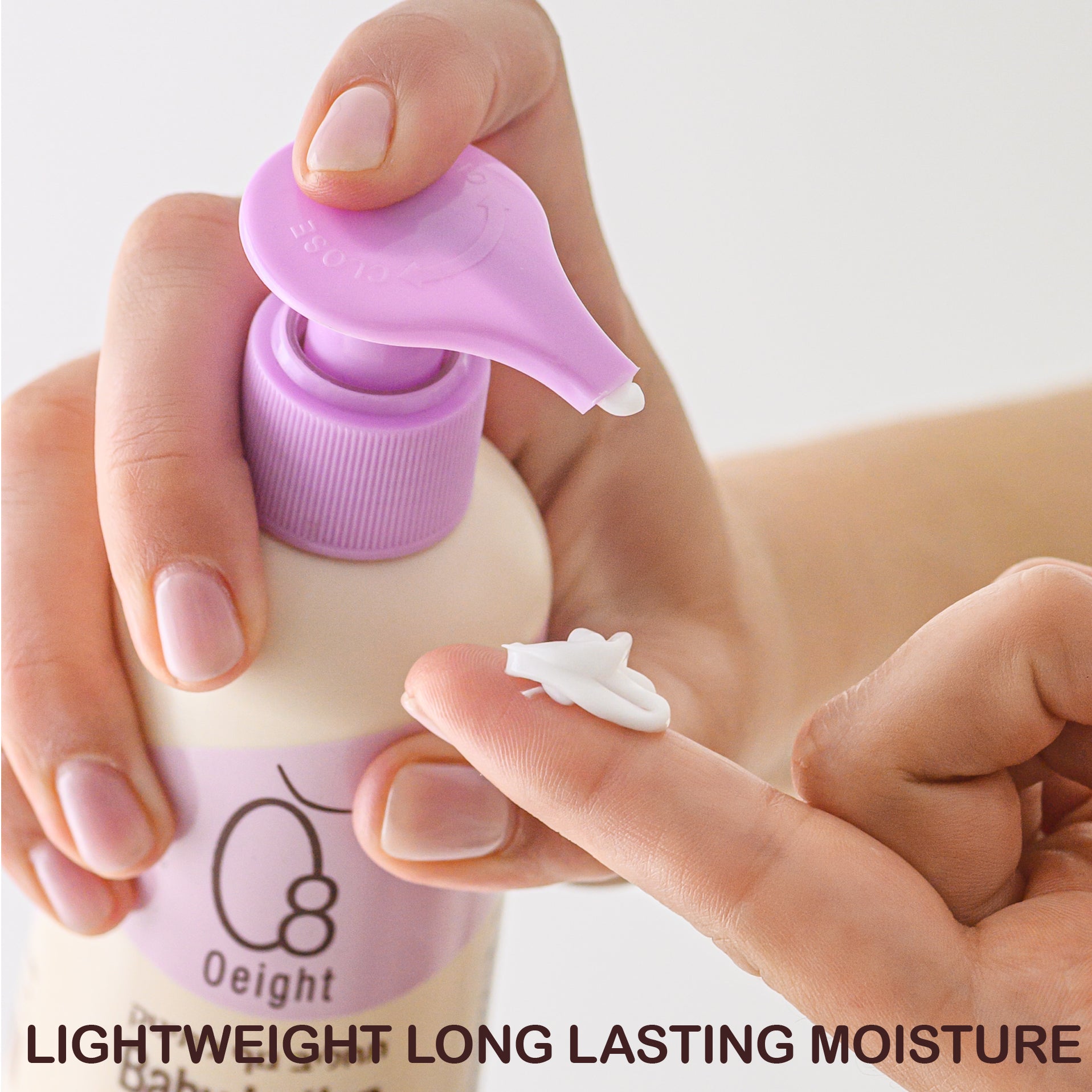
- Highly concentrated, All-in-One care. The Baby Bath Oil Forte cleanses and hydrates in one step, while the lotion and Soothe & Protect cream target dry patches, drool rash, and diaper rash.
- Smart, architect-designed packaging, created by a founder who is an architect and father of four, for easy everyday use.
Browse formulas made for this concern in the Oeight dry baby skin collection, or explore gentle options for reactive skin in the sensitive baby skin range.
Frequently Asked Questions
Why is my baby's skin suddenly dry?
Sudden dryness is usually environmental, often from cold weather, low humidity, overheating indoors, or a new product. Adjusting bath time, adding a humidifier, and using a fragrance-free moisturizer typically helps within a few days.
Is dry skin on a newborn a sign of a problem?
Usually not. Newborn skin peeling and mild dryness are normal as the vernix wears off. If skin stays red, itchy, or inflamed, check with your pediatrician for possible baby eczema.
What ingredients should I look for in a baby moisturizer?
Look for ceramides, glycerin, panthenol, petrolatum, and gentle natural oils in a fragrance-free, hypoallergenic formula. Avoid synthetic fragrance, dyes, and known allergens.
How often should I moisturize dry baby skin?
At least once or twice a day, and always right after bath time while skin is damp. In cold weather or low humidity, apply more often.
The Bottom Line
If you are asking why your baby has dry skin, the answer is usually one of five missed triggers: overheating indoors, bath time habits, hidden irritants in laundry detergent and baby wipes, cold weather and temperature swings, or harsh skin care products.
Fix the trigger, keep the routine gentle with lukewarm water and a fragrance-free moisturizer, and support the skin barrier with ingredients like ceramides, glycerin, panthenol, and petrolatum. If dryness becomes persistent redness, cracking, or itch, check in with your pediatrician.
For gentle, science-backed products made for delicate skin, explore the dry baby skin and sensitive baby skin collections.
About the author: This article was produced by the Oeight Knowledge Center editorial team and reviewed against guidance from the American Academy of Pediatrics and the American Academy of Dermatology. Oeight's formulations are developed in collaboration with dermatologists, allergists, and chemists. This content is for general educational purposes and does not replace personalized medical advice from your pediatrician.
Last reviewed: July 2026. This guide is reviewed and refreshed every three to six months to reflect current pediatric and dermatology recommendations.
Sources
- American Academy of Pediatrics, HealthyChildren.org: Baby Bathing & Skin Care
- American Academy of Dermatology: Tips to Relieve Dry Skin
- National Eczema Association: Eczema in Babies and Toddlers