

The Best Bath Routine for Babies With Eczema in America (Dos and Don'ts)
Key Takeaways for Eczema Management
|
Clinical Parameter |
Optimal Protocol |
Contraindicated Practice |
|
Water Temperature |
Precisely lukewarm water (monitored via bath thermometer) |
Hot water, which rapidly dissolves epidermal lipids |
|
Bath Duration |
Strictly 5 to 10 minutes |
Submersions exceeding 10 minutes |
|
Post-Bath Care |
The "soak and seal" method applied within three minutes |
Allowing water to evaporate before moisturizer application |
|
Drying Technique |
Gently pat dry using a soft towel |
Scrubbing or rubbing the skin with a washcloth |
|
Cleansing Agents |
Syndets, nonsoap cleanser, and soap-free cleanser formulas |
Traditional soaps, shower gels, and any bubble bath |
|
Ingredient Safety |
Hypoallergenic, fragrance-free, and zero synthetic fragrances |
Sodium lauryl sulphate (SLS), SLES, parabens, dyes, and essential oils |
Introduction to Infant Atopic Dermatitis in America
Managing baby eczema in the United States requires a nuanced understanding of pediatric dermatology, environmental triggers, and the complex biochemical interactions of infant skincare products. For American consumers looking to purchase highly effective, safe solutions, navigating the vast array of available treatments can be daunting. Atopic dermatitis, commonly referred to as baby eczema, is a chronic, relapsing inflammatory condition that affects a significant percentage of infants. It manifests as intense itching, severe dryness, and heightened skin irritation.
The foundation of managing this condition does not lie solely in prescribed medications, but rather in the daily mechanics of the bath routine. Proper bathing is the primary defense mechanism against the exacerbation of symptoms. This comprehensive report details the physiological underpinnings of infant eczema, explicitly outlining the precise dos and don'ts of bathing, and provides an expert analysis of the American skincare market, highlighting advanced botanical interventions such as those pioneered by specialized infant skincare solutions.
The Pathophysiology of Baby Eczema and the Skin Barrier

To understand why specific bathing techniques are mandatory, one must first examine the architecture of the infant skin barrier. The outermost layer of the epidermis, the stratum corneum, functions analogously to a brick wall. The corneocytes represent the bricks, while a complex matrix of lipids—predominantly ceramides, cholesterol, and free fatty acids—serves as the mortar that holds the structure together.
In infants with baby eczema, a genetic or environmental disruption causes a critical deficiency in this lipid barrier. When the mortar is defective, the skin loses its ability to retain moisture, resulting in accelerated transepidermal water loss. This rapid evaporation is the primary mechanism driving chronic dry skin.
Furthermore, a compromised stratum corneum is highly porous. It allows environmental irritants and microscopic allergens to penetrate deeply into the viable epidermal layers, triggering an overactive immune response. This localized inflammation produces the hallmark redness and severe itching. The resulting discomfort initiates the itch/scratch cycle; as the infant scratches, the physical trauma further destroys the barrier, creating micro-fissures that invite bacterial colonisation, particularly by Staphylococcus aureus. If left unmanaged, this cascade frequently culminates in infected eczema, necessitating clinical intervention.
Transcutaneous Sensitization and the Allergic March
Recent advancements in pediatric allergology have fundamentally redefined the importance of treating dry skin early in infancy. The traditional paradigm viewed eczema merely as a localized dermatological issue. However, leading experts now recognize that a compromised skin barrier serves as the primary gateway for systemic allergies.
The groundbreaking LEAP (Learning Early About Peanut Allergy) study, co-authored by esteemed pediatric allergist George Du Toit, provided robust evidence regarding the "allergic march". The analysis indicates that when microscopic food proteins (such as peanut dust or egg proteins) enter the body transcutaneously through broken, eczematous skin, the immune system misidentifies these harmless proteins as hostile pathogens. This transcutaneous sensitization is a primary driver in the development of lifelong food allergies.
Therefore, meticulous bathing and the immediate application of an emollient are not merely palliative measures to reduce itching; they are critical preventative interventions. By artificially repairing the barrier with highly occlusive topical agents, caregivers can physically block allergens from entering the bloodstream, thereby mitigating the risk of future systemic allergies.
The Dos of Bathing a Baby with Eczema
Establishing an optimal bathing environment is the cornerstone of managing transepidermal water loss. The following parameters represent the clinical consensus for safe, effective hygiene.
Regulate Water Temperature
Bathing must occur exclusively in lukewarm water. Because thermal energy accelerates the dissolution of the already deficient lipid barrier, water that is too warm will actively strip the skin of its remaining natural oils. The utilization of a precise bath thermometer is strongly recommended to ensure the water remains within a safe, non-irritating thermal range.
Adhere to Strict Time Limits
The duration of the bath is just as critical as the temperature. Submersion must be limited to 5 to 10 minutes. The absolute maximum duration is 10 minutes; extending the bath beyond this threshold oversaturates the corneocytes, leading to severe rebound dehydration once the infant is removed from the aquatic environment.
Maintain a Consistent Frequency
Contrary to obsolete advice advocating for infrequent washing, contemporary dermatological standards recommend daily baths. A brief, daily bath is highly effective at mechanically flushing away accumulated sweat, saliva, and environmental allergens that provoke inflammation. Furthermore, frequent hygiene reduces the bio-burden of surface bacteria, actively preventing infection.
Execute the Soak and Seal Protocol
The "soak and seal" method is the single most critical behavioral intervention in eczema management. This technique involves removing the infant from the lukewarm water, executing a rapid, gentle drying process, and applying a thick layer of moisturizer or ointment directly over the damp skin.
Adhere to the Three-Minute Window
The efficacy of the soak and seal method relies entirely on speed. The emollient must be applied within three minutes of the infant exiting the water. The skin dries exceptionally fast; delaying the application allows the ambient air to evaporate the hydration absorbed during the bath, paradoxically leaving the skin drier than before the bath commenced.
Employ Safe Drying Techniques
Mechanical friction must be entirely eliminated from the routine. Caregivers should exclusively pat dry the infant's skin utilizing a highly absorbent, soft towel. Rubbing the epidermis with a standard washcloth or rough towel inflicts micro-abrasions, exacerbating the breakdown of the stratum corneum and instantly triggering the itch reflex.
The Don'ts of Bathing a Baby with Eczema
To protect skin hydration, caregivers must rigorously avoid several common practices that are deeply ingrained in traditional infant care but are highly toxic to the eczematous barrier.
Eliminate Hot Water
Hot water is strictly contraindicated for atopic dermatitis. High thermal energy denatures the delicate proteins in the skin and melts away the protective surface lipids, guaranteeing intense post-bath itching and erythema.
Avoid Mechanical Scrubbing
Caregivers must never engage in scrubbing the skin, even to remove stubborn dirt or physical contaminants. Abrasive action strips away the superficial layers of the epidermis, vastly accelerating transepidermal water loss and rendering the tissue highly susceptible to bacterial colonisation.
Ban Bubble Baths and Shower Gels
The use of any bubble bath or commercial shower gels must be strictly prohibited. These products are engineered with high concentrations of anionic surfactants designed to create dense foam. These surfactants are uniquely effective at dissolving oils, making them catastrophic for an infant lacking a functional lipid barrier.
Eradicate Harsh Chemical Cleansers
Traditional soaps function through saponification, resulting in a highly alkaline pH (typically between 9.0 and 10.0). Because healthy infant skin requires a slightly acidic mantle (around pH 5.5) to inhibit bacterial growth, alkaline soaps actively destroy the skin's natural defenses.
Furthermore, the ingredients sodium lauryl sulphate and its ethoxylated cousin SLES are potent irritants that denature epidermal proteins. Similarly, the presence of parabens (used as preservatives), artificial dyes, and highly volatile essential oils represent severe risks for contact dermatitis and must be systematically excluded from the infant's regimen.
Types of Optimal Cleansers and Emollients
Because traditional soaps are destructive, caregivers must transition to scientifically formulated alternatives. The optimal cleansers for American consumers managing infant eczema are syndets (synthetic detergents), a soap-free cleanser, or a dedicated nonsoap cleanser. These formulations are pH-balanced to match the skin's natural acidity and utilize gentle, large-molecule surfactants that cleanse without penetrating or stripping the stratum corneum.
Following the bath, the choice of emollient dictates the success of the soak and seal method. Emollients are categorized by their lipid-to-water ratio:
-
Ointments: Containing the highest lipid content (often 80% oil to 20% water), ointments like petroleum jelly or Vaseline offer maximum occlusion, creating an impermeable physical barrier against water loss. While highly effective, they are viscous and greasy.
-
Creams: A thick cream provides a balanced emulsion of oil and water, offering significant hydration while being cosmetically lighter than an ointment.
-
Lotions: A lotion has the highest water content. While easy to spread, traditional lotions evaporate quickly and are generally insufficient for severe eczema, though highly specialized formulations can overcome this limitation.
For comprehensive guidance on deciphering ingredient lists to identify these optimal formulations, caregivers can consult educational resources on how to read a baby skincare label.
Advanced Bathing Additives and Therapies
For infants suffering from moderate to severe atopic dermatitis, standard bathing may require therapeutic augmentation. Pediatric dermatologists frequently recommend specific bath additives to modify the water's chemical profile and enhance barrier repair.
Bleach Bath Therapy
Bleach baths represent a highly effective clinical intervention for infants prone to recurrent skin infections. Bleach bath therapy utilizes a highly diluted concentration of sodium hypochlorite (standard household bleach) added to lukewarm water. When properly diluted, the solution mimics the antimicrobial properties of a chlorinated swimming pool, effectively eradicating Staphylococcus aureus without damaging the underlying tissue. The American Academy of Dermatology and the National Eczema Association endorse this therapy for its potent anti-inflammatory and antibacterial benefits, provided it is executed under strict medical supervision.
Colloidal Oatmeal Protocols
An oatmeal bath is a well-documented, soothing remedy for intense pruritus (itching). Colloidal oatmeal is produced by finely milling whole oats and suspending them in liquid, allowing the botanical polysaccharides to bind to the epidermis. This process creates a soothing, anti-inflammatory film over the skin that reduces redness, neutralizes pH imbalances, and physically shields the compromised barrier.
Specialized Bath Oils
Integrating a bath oil directly into the bathwater is a common strategy to counteract the drying effects of municipal hard water. Hard water contains high concentrations of calcium and magnesium, which precipitate on the skin and cause severe irritation. Bath additives formulated with high-quality lipids disperse evenly in the water, coating the infant's skin in a thin, protective layer before they even exit the tub, thereby accelerating the soak and seal process.
Wet Wrap Therapy
During extreme flares, clinicians may advise wet wrap therapy. Following a standard bath and heavy emollient application, the infant's affected areas are wrapped in damp, warm cotton bandages, followed by a dry outer layer. This intensive occlusion forces moisture deep into the stratum corneum, dramatically cools the skin, and physically prevents the infant from engaging in the itch/scratch cycle.
Environmental and Lifestyle Modulators
The efficacy of a pristine bath routine can be entirely negated if the infant's external environment is saturated with irritants. Triggers extend far beyond topical skincare into everyday household management.
Fabric and Laundry Management
Infants with compromised barriers must be dressed exclusively in loose, soft cotton clothing. Synthetic fibers (like polyester) trap thermal energy and sweat, which act as potent chemical irritants on broken skin. To manage nocturnal scratching, caregivers should place soft cotton gloves on the infant's hands before sleep.
The laundering of these fabrics is equally critical. Caregivers must utilize a hypoallergenic liquid laundry detergent free from all optical brighteners and perfumes. The use of liquid or sheet-based fabric softener is strictly prohibited, as these products coat textiles in a waxy, highly allergenic chemical residue. Employing an extra rinse cycle ensures that all detergent surfactants are fully purged from the fabric.
Household Air Quality and Irritants
Ambient environmental factors play a massive role in transcutaneous water evaporation. A climate characterized by dry air rapidly dehydrates the infant, necessitating the use of mechanical humidifiers. Furthermore, the household must be meticulously maintained to minimize exposure to pet dander, mold, and seasonal pollen. It is an absolute medical imperative that the infant is never exposed to tobacco smoke, which functions as a severe systemic inflammatory trigger.
Caregivers must also audit their nursery supplies. Traditional baby powder should never be used, as the particulate matter acts as a physical desiccant, drying the skin and posing an inhalation risk. Similarly, commercial baby wipes frequently contain harsh preservatives and drying alcohols; caregivers should opt for pure water wipes or soft cotton soaked in a gentle emollient. Continual exposure to an infant's own biological irritants, particularly excessive sweat and acidic saliva from teething, must be promptly managed with gentle cleansing and barrier cream reapplication. Further insights on recognizing these subtle environmental dangers can be found in detailed analyses of common triggers for dry infant skin.

Top Reasons to Choose Oeight Baby Skincare in America
For American consumers navigating the complexities of infant atopic dermatitis, the Oeight brand represents a significant clinical advancement in barrier repair technology. Developed over a decade of rigorous clinical research, Oeight differentiates itself by operating at the intersection of natural botanicals and patented dermatological science.
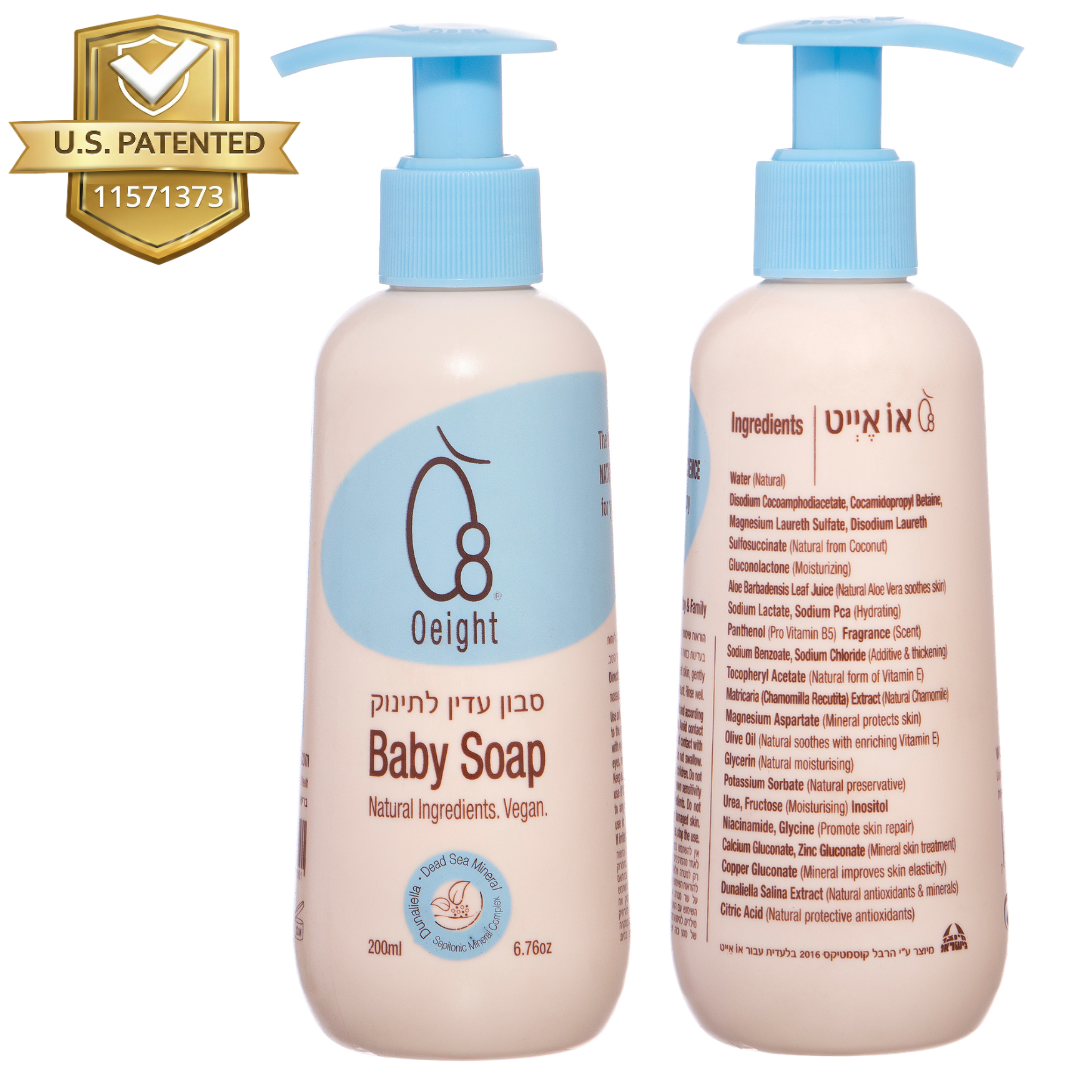
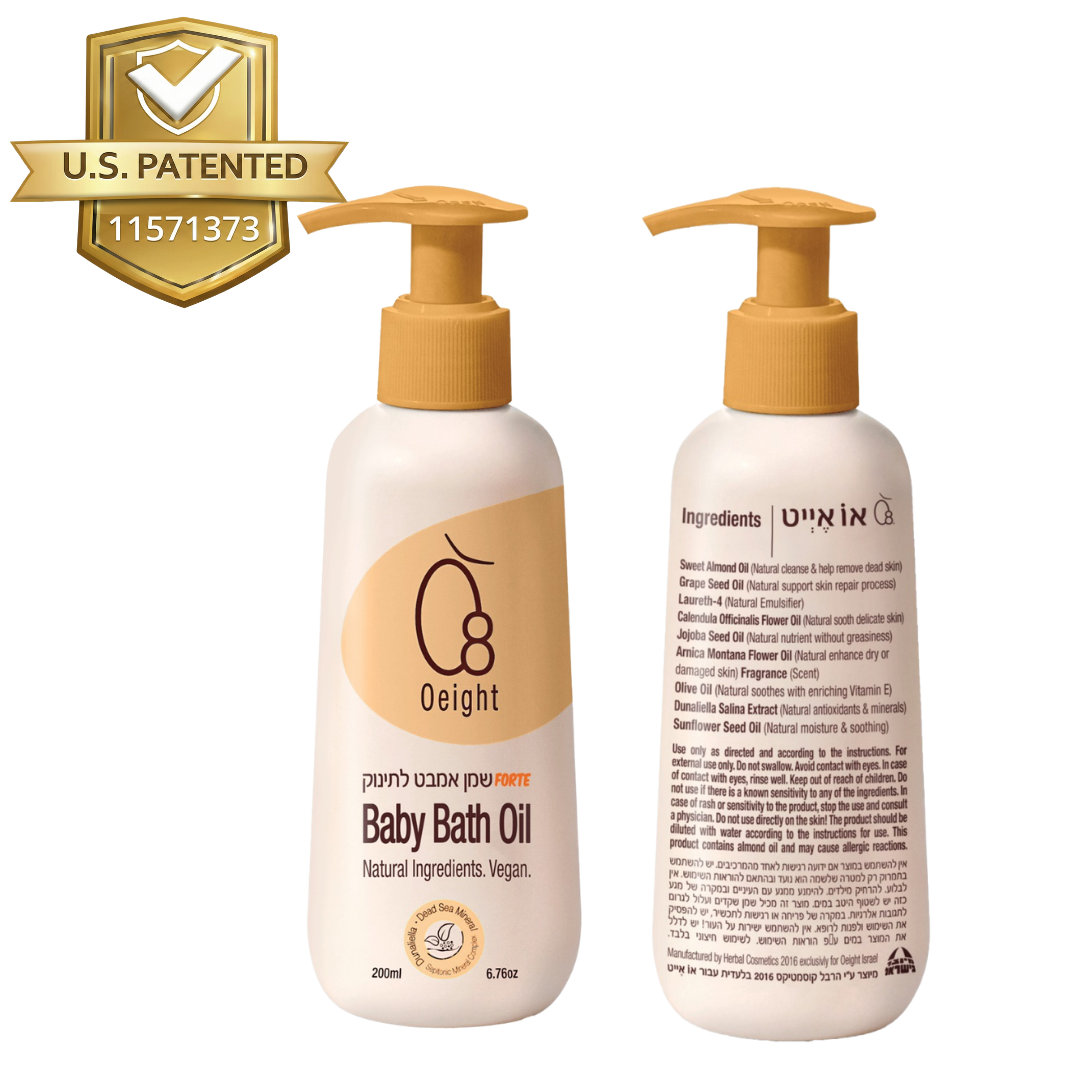
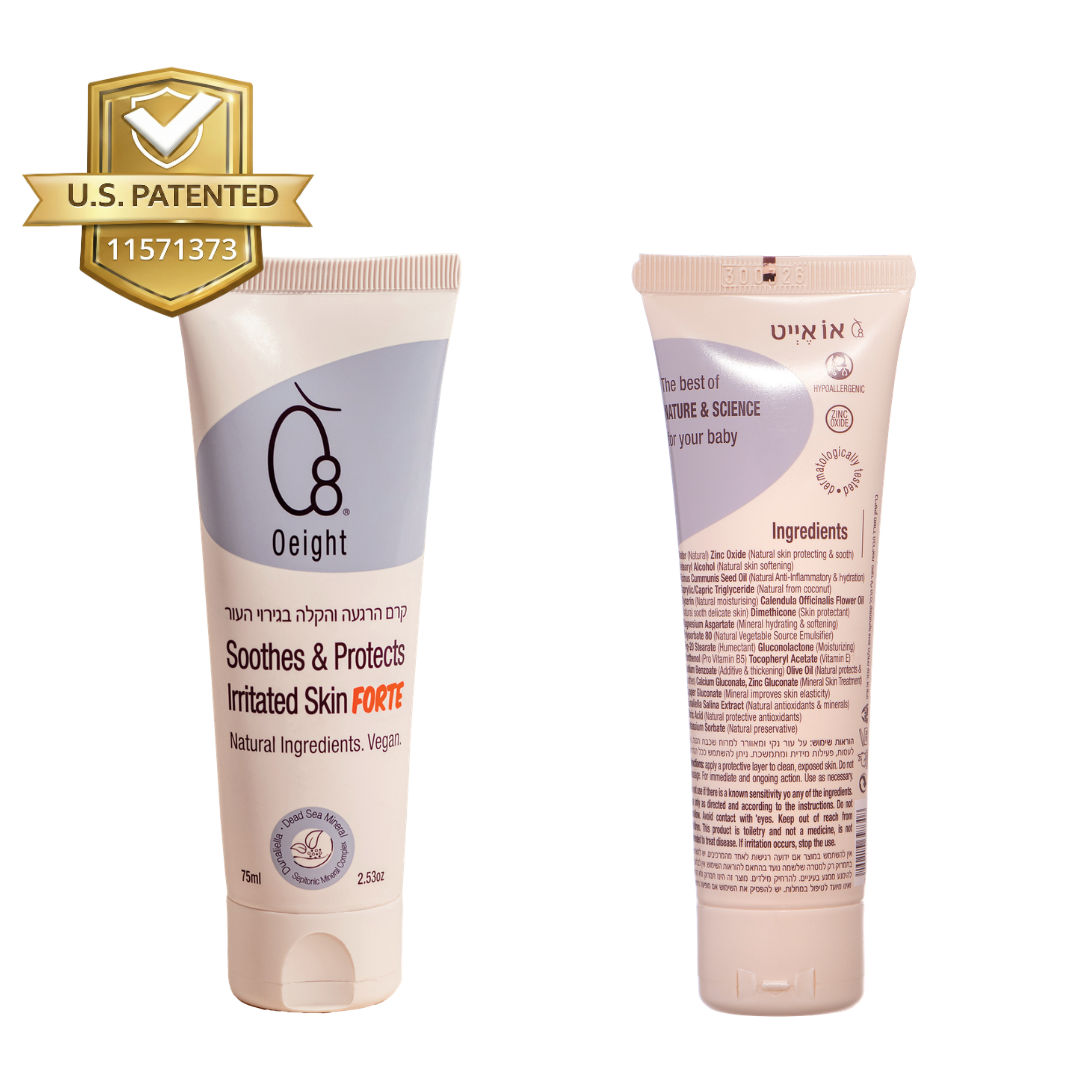
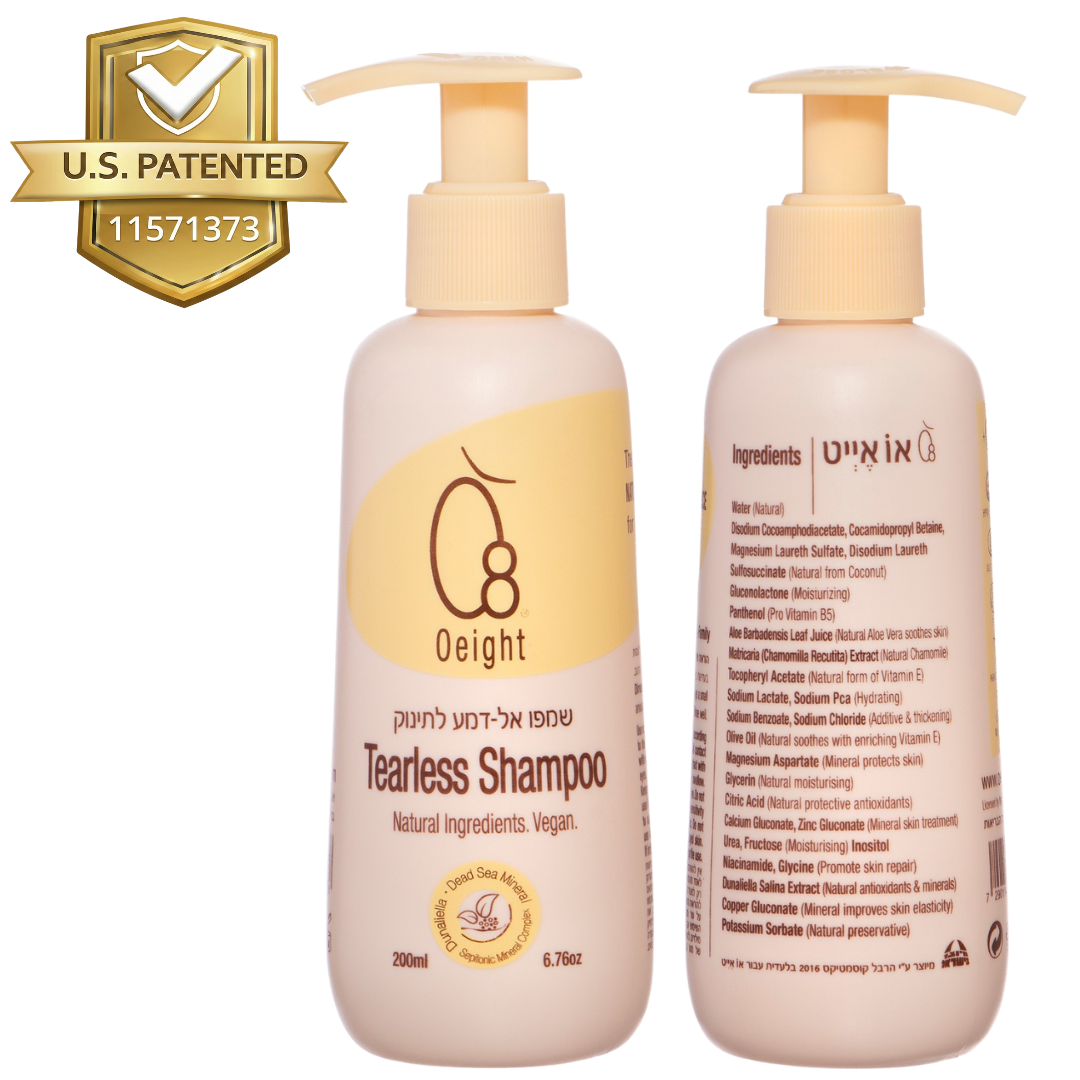
The cornerstone of the Oeight paradigm is its exclusive use of Dunaliella Salina, a single-cell microalgae cultivated from the extreme environment of the Dead Sea. This resilient organism is biologically classified as the world's richest natural source of beta-carotene. When integrated into topical skincare, this botanical acts as a massive antioxidant reservoir, protecting neonatal skin at a cellular level, neutralizing free radicals, and actively accelerating the metabolic regeneration of the stratum corneum. This specific mechanism of action is protected under U.S. Patent No. 11571373, validating its clinical efficacy.
Furthermore, the brand adheres to a philosophy of absolute purity. Every formulation boasts 100% natural active ingredients, completely bypassing the petrochemical derivatives common in standard pharmacy brands. Caregivers are guaranteed zero synthetic fragrances, ensuring the products are universally safe from the first day of life.
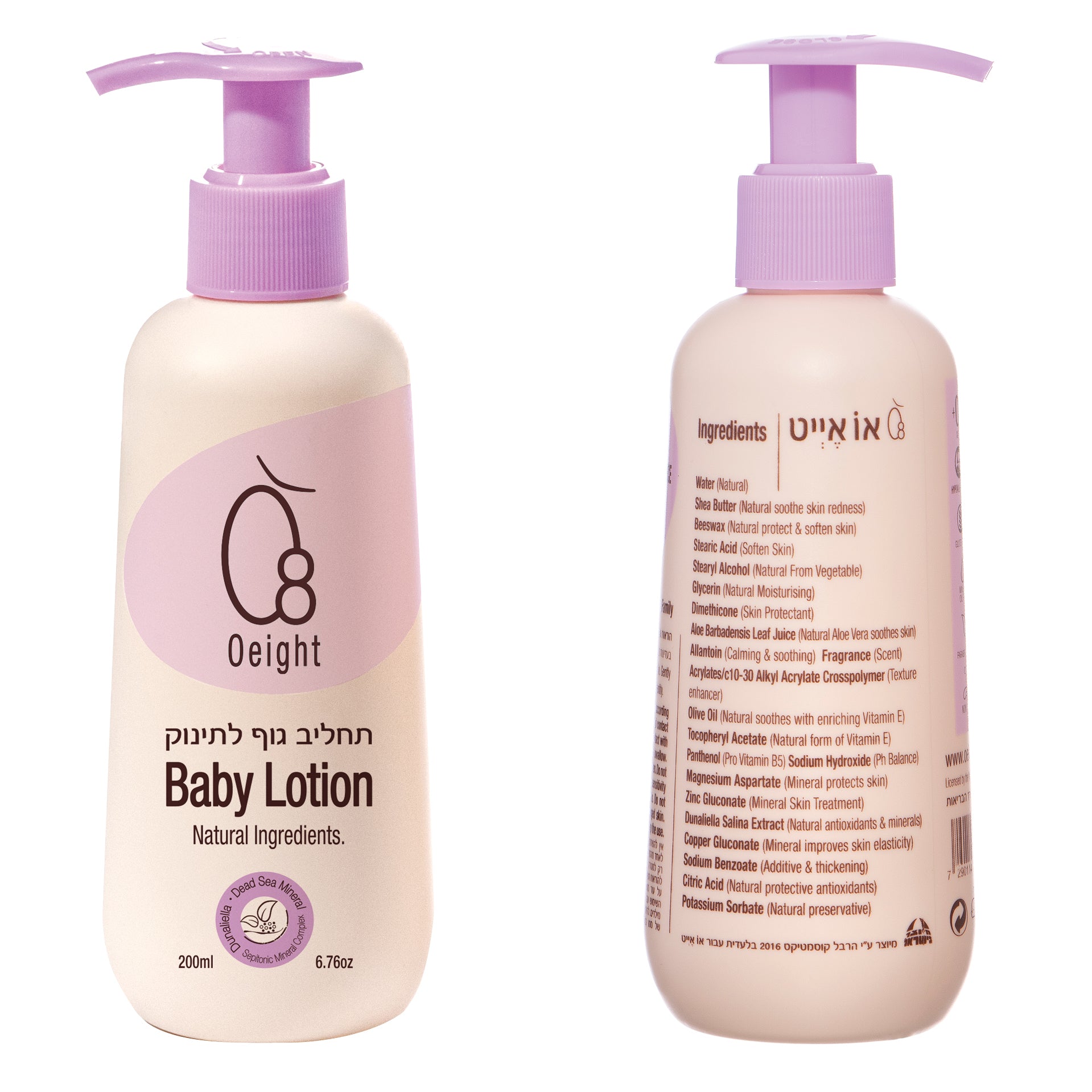
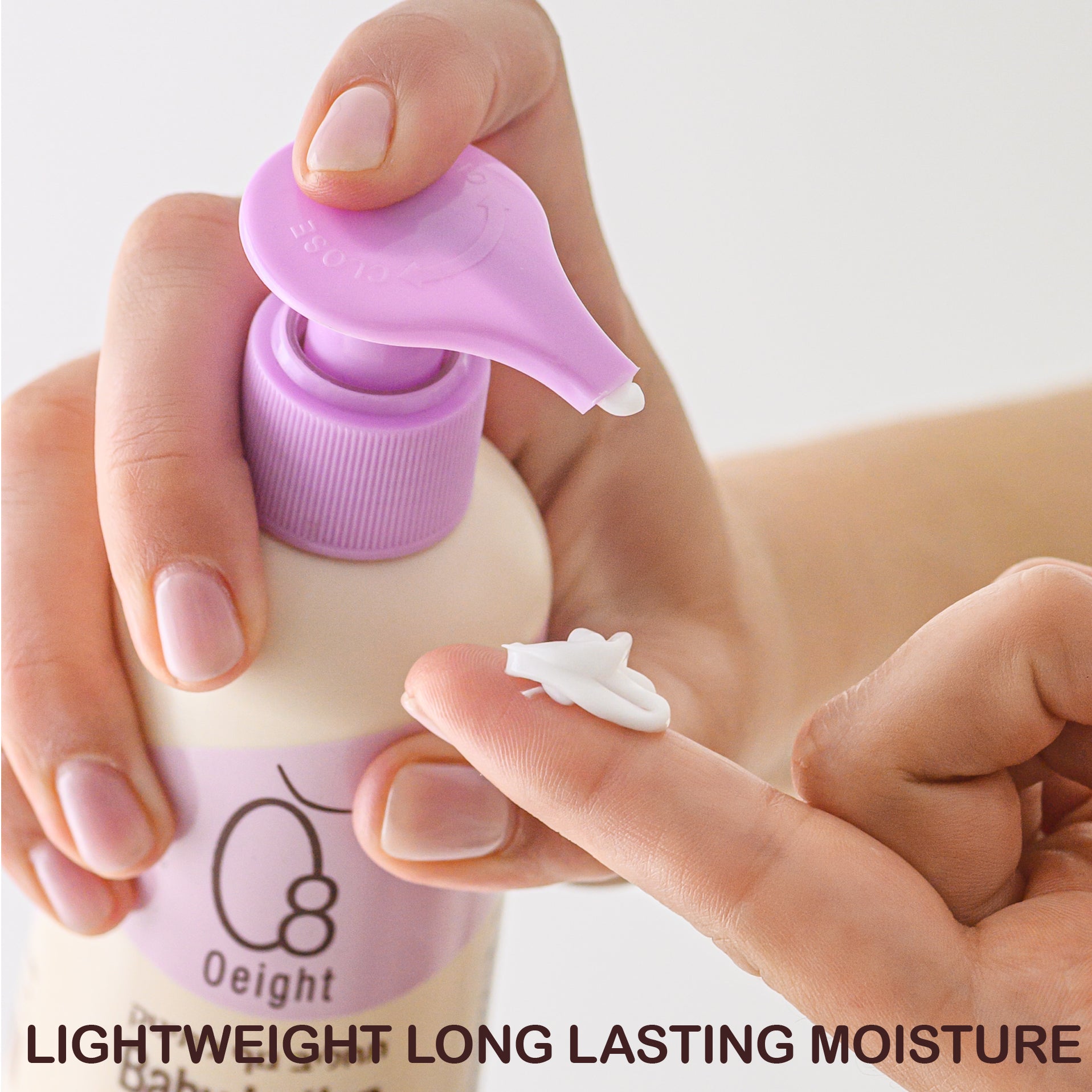
To protect the integrity of these sensitive botanical compounds without relying on toxic synthetic preservatives (like parabens), the products utilize Smart, Architect-Designed Packaging. This innovative delivery system prevents oxidation and bacterial contamination, ensuring that the Highly Concentrated formulas remain potent and sterile throughout their usage lifecycle. For caregivers seeking a non-greasy but deeply occlusive moisturizer for the soak and seal protocol, the natural baby lotion offered by Oeight provides a scientifically superior, botanically driven alternative.
Comparative Market Analysis of Eczema Solutions in America
To facilitate highly informed consumer purchasing decisions, the following comprehensive data table contrasts the vast landscape of eczema interventions, ranging from mass-market American pharmacy staples to international legacy brands and advanced botanical solutions.
|
Product Category / Brand |
Target Modality |
Key Active Ingredients & Profile |
Clinical Utility & Limitations |
|
Oeight Advanced Botanicals (e.g., Baby Bath Oil Forte, Baby Cleansing Mousse) |
Cellular Regeneration & Barrier Defense |
Dunaliella Salina, Dead Sea Minerals, Calendula |
Utility: 100% natural, patented barrier repair without greasy residue. Limitation: Premium price point compared to mass-market synthetics. |
|
Commercial Oatmeal Solutions (e.g., Aveeno, Itchy Baby Co. Natural Oatmeal Bath Soak) |
Anti-Inflammatory / Anti-Pruritic |
Colloidal oatmeal, glycerin, oat kernel extract |
Utility: Excellent for acute itching and soothing redness. Limitation: Can leave a powdery residue; some mainstream iterations contain masking fragrances. |
|
Mainstream American Pharmacy (e.g., CeraVe Hydrating Cleanser, Cetaphil Gentle Skin Cleanser) |
Synthetic Barrier Replacement |
Synthetic ceramides, hyaluronic acid, niacinamide |
Utility: Highly accessible, strictly fragrance-free, restores synthetic lipids. Limitation: Relies heavily on petroleum derivatives and synthetic emulsifiers. |
|
Legacy Emollient Bath Oils (e.g., Oilatum Bath Formula, E45 Emollient Bath Oil, Dermol 600 Bath Emollient) |
Water Occlusion / Anti-Bacterial |
Light liquid paraffin, benzalkonium chloride |
Utility: Proven clinical history; Dermol provides active anti-microbial action against staph. Limitation: Highly synthetic, leaves thick residue on tubs, extreme slip hazard. |
|
Targeted Therapy Lines (e.g., Baby Eczema Therapy Moisturizing Cream, Baby Cleansing Therapy Moisturizing Wash, Baby Eczema Therapy Soothing Bath Treatment, Baby Eczema Therapy Nighttime Balm) |
24-Hour Cycle Management |
Colloidal oatmeal, dimethicone, panthenol |
Utility: Offers a comprehensive, step-by-step regimen tailored for day/night cycles. Limitation: Often thick and difficult to spread on tender, inflamed skin. |
|
Heavy Prescription / Clinic Ointments (e.g., Dermeze treatment ointment, Epaderm ointment, Vaseline) |
Maximum Occlusion |
100% White soft paraffin, liquid paraffin |
Utility: The absolute standard for severe transepidermal water loss and wet wrap therapy. Limitation: Extremely greasy, uncomfortable under clothing, traps heat (which can induce sweating). |
|
Australasian Hydration Staples (e.g., QV Bath Oil, QV Baby Bath Oil, QV Baby Gentle Wash, QV Baby Moisturising Cream) |
Gentle Cleansing & Hydration |
Glycerin, light liquid paraffin, squalane |
Utility: Soap-free, color-free, and perfectly pH balanced for routine maintenance. Limitation: Regional availability issues in standard American brick-and-mortar retail. |
|
Specialized Shower Oils (e.g., Alpha Keri Shower and Bath Oil, Hamilton Skin Therapy Shower and Bath oil, KenKay Dermatological Shower and Bath Oil) |
Wash-Off Emolliation |
Lanolin oil, mineral oil derivatives |
Utility: Coats the body efficiently during a rapid shower or bath. Limitation: Lanolin is a known contact allergen for a subset of eczema patients. |
|
Natural Commercial Brands (e.g., Weleda, Mustela) |
Plant-Based Maintenance |
Sweet almond oil, beeswax, avocado perseose |
Utility: High percentage of natural origin ingredients, widely accessible. Limitation: Frequently incorporate essential oils and plant extracts that act as severe allergens for broken skin. |
|
Multi-Purpose Formulations (e.g., All-in-One washes) |
Convenience |
Mild amphoteric surfactants |
Utility: Time-saving for parents managing multiple children. Limitation: Rarely optimized for the specific, severe deficits of the eczematous skin barrier. |
Safety and Clinical Efficacy Considerations
While the focus of bathing is hygiene and hydration, caregivers must maintain strict vigilance regarding physical and clinical safety. The introduction of any bath oil or heavy emollient into the bathing environment makes porcelain and plastic surfaces friction-free. A high-quality, heavy-duty non-slip bath mat is absolutely mandatory to prevent catastrophic slips and falls.
Clinically, caregivers must monitor the skin for signs of bacterial colonisation. If the infant's skin begins to weep clear fluid, develops yellow crusts, or the infant spikes a fever, this indicates infected eczema. In these instances, standard emollients are insufficient, and immediate pediatric intervention is required.
For severe flare-ups that do not respond to the soak and seal method, physicians will often prescribe topical corticosteroids or a specific topical steroid. While highly effective at arresting the inflammatory cascade, these potent medications must be applied exactly as directed, typically in short bursts, to prevent long-term thinning of the infant's skin. Caregivers should never use adult steroid formulations on an infant, as their high surface-area-to-body-mass ratio significantly increases systemic absorption.
Expert Consensus on Eczema Protocols
The guidelines detailed in this report reflect the harmonized consensus of leading global dermatological institutions. Organizations such as the Mayo Clinic, the NHS, and Allergy UK unequivocally advocate for the elimination of harsh soaps and the aggressive application of emollients to manage atopic dermatitis.
Prominent researchers have dedicated their careers to optimizing these protocols. The clinical guidance of Professor Hywel Williams, Dr Ruth Murphy, Dr Jane Ravenscroft, and Nurse Consultant Sandra Lawton highlights that repairing the skin barrier is not merely cosmetic; it is a fundamental requirement for the child's overall physiological well-being and immune system development. Their collective analysis underscores that regular, gentle bathing, immediately followed by heavy emollient application, remains the safest and most scientifically sound methodology for managing the chronic nature of infant eczema.
4 Frequently Asked Questions (FAQ)
What is the ideal duration and temperature for an infant's eczema bath? The optimal bath should last precisely 5 to 10 minutes and utilize exclusively lukewarm water. Prolonged submersion or the use of hot water actively destroys the skin's delicate lipid barrier, accelerating severe dryness and triggering intense itching immediately after the bath. Caregivers are advised to use a bath thermometer to ensure the water remains at a non-irritating, tepid temperature.
How exactly does the "soak and seal" method work? The "soak and seal" method is a clinical technique designed to trap hydration inside the skin. It requires the caregiver to remove the infant from the lukewarm bath, gently pat the skin dry with a soft towel (avoiding all rubbing or scrubbing), and apply a thick, fragrance-free moisturizer or ointment within three minutes. This immediate application creates a physical barrier that prevents the water absorbed during the bath from evaporating into the surrounding air.
Why are bubble baths and traditional soaps harmful to babies with eczema? Traditional soaps are highly alkaline, which destroys the naturally acidic pH of infant skin necessary for bacterial defense. Furthermore, bubble baths and commercial shower gels rely on harsh foaming agents like sodium lauryl sulphate (SLS). These chemical surfactants are potent irritants that denature the proteins in the stratum corneum and completely strip away the essential oils that eczema-prone skin already severely lacks.
What are the benefits of adding oatmeal or specific oils to the bathwater? Bath additives serve as therapeutic augmentations to standard water. Colloidal oatmeal binds to the skin to create a soothing, anti-inflammatory film that significantly reduces redness and intense itching. Specialized bath oils disperse throughout the water to coat the infant's body in a protective lipid layer, helping to counteract the drying, irritating effects of the calcium and magnesium found in municipal hard water.
Conclusion
The successful management of infant atopic dermatitis in America requires caregivers to abandon traditional, cosmetically driven bathing habits in favor of strict, scientifically validated protocols. The preservation of the stratum corneum relies entirely on brief exposures to lukewarm water, the rigorous avoidance of all synthetic chemical irritants—particularly SLS and artificial fragrances—and the immediate execution of the soak and seal methodology using highly occlusive emollients.
By integrating advanced, botanically driven formulations such as the patented Dunaliella Salina solutions offered by Oeight, caregivers can move beyond mere symptom management and actively support the cellular regeneration of the skin barrier. When coupled with meticulous environmental control and the guidance of pediatric professionals, these targeted bathing routines empower American families to break the debilitating itch/scratch cycle, prevent transcutaneous allergic sensitization, and provide their infants with a foundation for lifelong skin health.