

How to Choose a Tear-Free, Natural Baby Wash for Newborns?
That first bath at home comes with a real worry: will the wash sting their eyes or dry out their skin. This guide on how to choose the best tear free natural baby wash for newborns shows you what “tear-free” and “natural” actually mean, how to scan an INCI list fast, and how to pick a gentle wash for sensitive newborn skin.
What “Tear-Free” and “Natural” Really Mean for Newborn Skin?
Newborn skin has a thinner barrier and loses moisture faster than adult skin. That’s why dryness and redness can show up quickly after bathing.
This early protection layer is often called the newborn skin barrier, and it is still maturing in the first weeks. A gentle, low-irritation wash and quick moisturizing after bathing help support the newborn skin barrier instead of stripping it.
“Tear-free” usually means the formula is designed to reduce eye sting risk, not guarantee zero sting every time. Mild surfactants and a balanced pH help, and fast rinsing matters if suds reach the eye area.
“Natural” is not a regulated safety standard, so it can describe very different formulas. Prioritize a clear INCI list, fragrance-free options, and avoid perfume-like botanical blends for newborns.
Many parents also look for a non-toxic baby wash, but “non-toxic” is not a regulated label claim in personal care. Treat it as a starting point, then confirm the formula is fragrance-free, uses mild surfactants, lists a complete INCI, and avoids known high-irritation ingredients for the eye area.
In the early weeks, less is often more: shorter baths, less product, and cleanser only where needed.
Why pH and Surfactant Choice Matter Around the Eyes?
A pH-balanced wash can feel less irritating, but pH alone does not make a product tear-free. Surfactant choice is the main driver of sting risk, especially if suds reach the eyes. Milder surfactants tend to rinse cleaner and feel less stripping on newborn skin. Fragrance also matters because both synthetic fragrance and aromatic “natural” extracts can irritate the eye area. For the lowest-risk pick, choose fragrance-free and a mild-cleanser formula rather than “extra foaming” options.
Use this quick comparison to pick the gentlest option for the first months (newborn), then adjust as your child’s skin and hair needs change.
| Product type | Designed for | Look for | Avoid |
|---|---|---|---|
| Newborn wash | Minimal, ultra-gentle cleansing for the first months. | Fragrance-free, mild surfactants, dye-free, easy rinse, simple INCI. | Strong foam focus, heavy scent, essential oils, long botanical stacks, sulfates, parabens. |
| Baby wash | Everyday use as baby grows. | Gentle surfactants, clear INCI, simple routine support, fragrance-free or low-fragrance. | “Spa” style botanical perfume blends, heavy scent, harsh cleansers. |
| Kids wash | - | Mild option if needed, still check INCI, low-fragrance if possible. | Dyes, strong fragrance, maximum foam formulas, harsher surfactants. |
Step-by-Step: How to Evaluate a Baby Wash Before You Buy
Before you choose, use these three quick steps to judge a baby wash like a pro, without getting distracted by front-label marketing.
Step 1: Start with your baby’s skin needs
Choose based on your newborn’s actual skin. For normal skin, a simple, fragrance-free wash is usually enough. For eczema-prone or very dry skin, go for short ingredient list, ingredient transparency and a gentler cleanser base. If cradle cap is the issue, pick a mild wash that rinses clean and focus cleansing on the scalp.
Step 2: Read the INCI ingredient list before the claims
Scan the ingredient list first, not the front label. A short INCI list is not automatically better, but it is usually easier to troubleshoot if your baby reacts. Look for clear INCI naming and avoid vague “proprietary blend” language, because transparency is the only way to evaluate potential irritants.
Step 3: Verify what the claims actually mean, then check the packaging
Claims like “tear-free,” “fragrance-free,” “pediatrician tested,” and “hypoallergenic” can help you filter options, but they are not universal standards across brands. Finally, choose packaging that supports hygiene and easy dosing, a pump bottle with a lock can help.
Bottom line, you get the best results when you match the formula to your baby’s skin, confirm the INCI list, and treat marketing claims as filters, not proof.
A Fast Label-Reading Checklist (60 Seconds in the Aisle)
Your 60-Second Store Filter
Before you put a baby wash into your cart, take one minute to scan the label using this simple filter:
- Choose fragrance-free or truly unscented formulas.
- Look for mild surfactants, not “extra foaming” cleansers.
- Make sure there is a clear preservative system listed in the INCI.
- Prefer a simple INCI list you can actually read and understand.
- Favor dye-free options, since dyes add no real skin benefit.
- Treat “hypoallergenic” as a bonus only when the brand explains its testing or exclusions.
- Avoid heavy essential oils or botanical perfume blends for newborn skin.
- Compare two options side by side and pick the one that wins on simplicity and low-irritation design. Then stick with it for a full week before switching.
When a 2-in-1 Shampoo + Body Wash Makes Sense
A mild, fragrance-free 2-in-1 can be a practical choice for newborns because it keeps routines simple and reduces product buildup. If cradle cap or eczema flares appear, consider separating scalp and body products for more targeted care.
Ingredients to Look For (and What to Avoid) in a Tear-Free Natural Wash
Start with the cleanser base because surfactants drive most of the feel and irritation potential, and supportive hydrators can help the wash rinse clean without leaving skin tight. Look for mild surfactants, glycerin, ceramides, and colloidal oatmeal.

Consider avoiding SLS or SLES, added fragrance (including “natural fragrance”), essential oils, and long botanical perfume blends—especially for newborns with sensitive or eczema-prone skin and around the eye area. Since this is a water-based product, choose a wash with a clear preservative system, aim for well-preserved and well-tolerated rather than “preservative-free.”
✓ Gentle, Commonly Well-Tolerated Ingredients
Oat-based ingredients (oat extract), including colloidal oatmeal, can support soothing for dry, reactive skin. They are often chosen for eczema-prone babies because they can calm the look and feel of irritation.
Glycerin and ceramides support hydration and barrier function without needing heavy oils. They are especially useful when indoor heating or low humidity makes newborn skin feel rough.
⚠ Red Flags for Newborns (Especially Eye Area and Eczema-Prone Skin)
Strong surfactants such as SLS and SLES, or formulas built for maximum foam, can be too stripping for some newborns. Stripping increases the chance of dryness, which can make eye irritation and eczema flare-ups more likely.
Essential oils and strong botanical blends can irritate even when they are “natural.” If your baby is already reactive, keep botanicals simple and avoid perfume-like ingredient stacks.
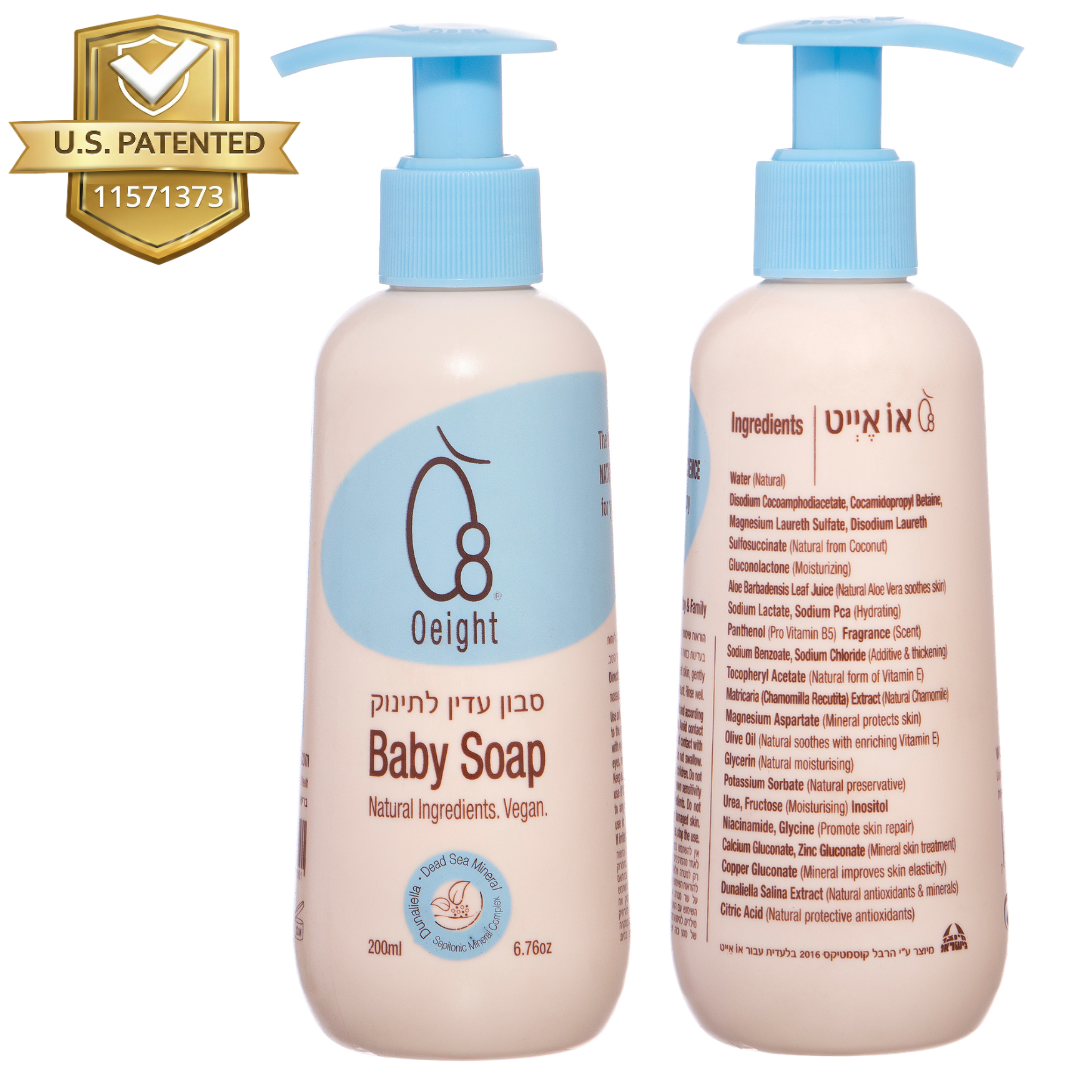
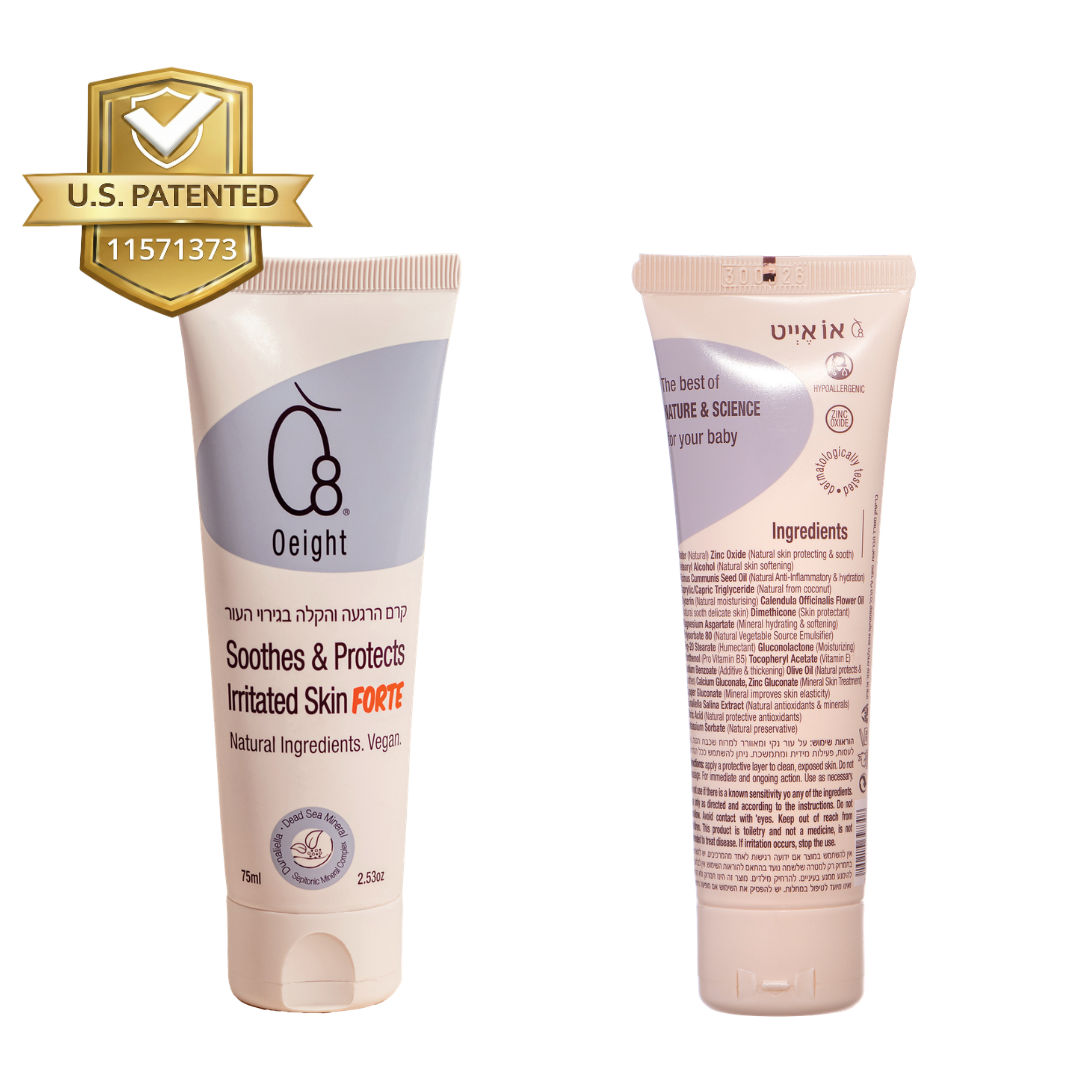
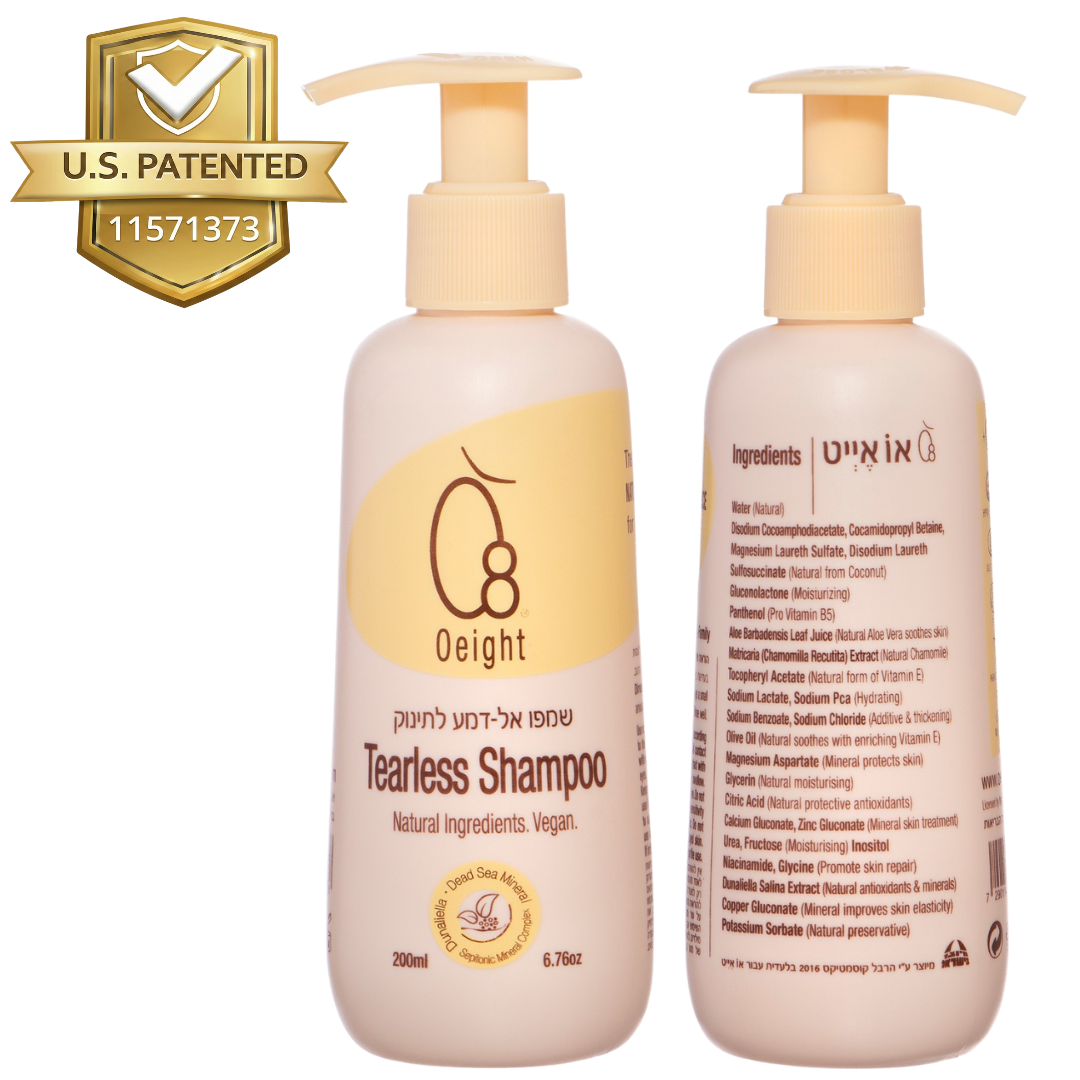
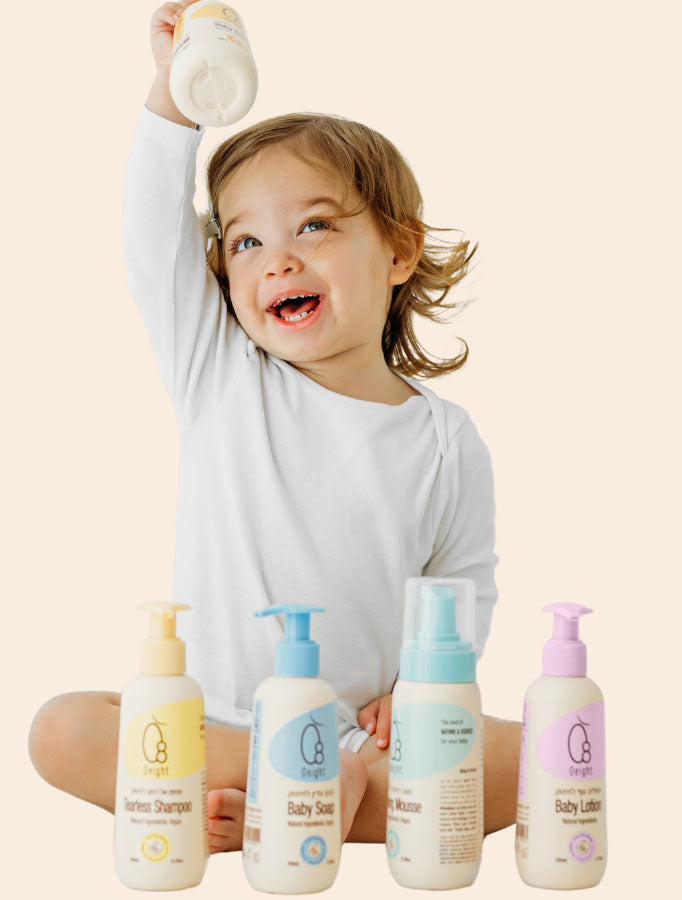
If you want to explore a fragrance-free, tear-free option, you can review OEIGHT’s baby wash choices designed for sensitive newborn skin and stick with one routine for a full week to see how your baby’s skin responds.
Certifications, Testing, and Trust Signals That Actually Help
Use this quick table to understand what trust labels can tell you fast, and what they cannot.
“Dermatologist tested” can be a helpful trust signal for newborn washes, but the meaning varies by brand—check whether the company explains the test type and who oversaw it. Check whether the brand explains the test type, such as a repeat insult patch test, the population tested, and whether the product was tested on sensitive skin.
Also confirm it aligns with your baby’s needs, for example fragrance-free, mild surfactants, and a full INCI list, because dermatologist tested does not automatically mean tear-free or eczema-safe.
| Trust Signal | What It Can Tell You | What To Check Fast |
|---|---|---|
| Third-party certification | Meets a defined screening standard | What the standard covers |
| “Pediatrician tested” | Some child-focused review or testing | What was tested, and how |
| “Ophthalmologist tested” | Eye-area irritation was assessed | Rinseability, low fragrance |
| “Hypoallergenic” | Only meaningful with clear criteria | Exclusions + test method |
| Full INCI list | You can evaluate and troubleshoot | Fragrance, harsh surfactants, long botanical stacks |
Certifications and testing claims are useful shortcuts, but they are not guarantees. Use them to narrow choices, then confirm with the INCI list and a simple, consistent routine.
How to Choose a Tear Free Natural Baby Wash for Newborns?
Third-party certifications can be useful shortcuts, but only when you understand what they actually cover. EWG Verified (where available) is presented as a program that evaluates products against certain ingredient and transparency criteria. It can help narrow choices, but you should still read the full INCI list, because “verified” does not mean “no reaction possible.” USDA Organic primarily relates to organic agricultural standards, so it doesn’t necessarily indicate a formula is tear-free, pH-balanced, or suitable for eczema-prone newborn skin.
To judge a baby wash in a practical, parent-friendly way, start with what affects real skin outcomes: ingredient safety profile, irritation potential, fragrance level, and how easily the product rinses. Then consider value per ounce, especially since concentrated formulas may require less product per bath.
Finally, add real-life usability signals that parents feel immediately: pump design, pump lock, travel friendliness, and reliable availability so you can repurchase consistently. If you want options built around gentle routines, OEIGHT offers fragrance-free tearless formats and sensitive-skin cleansers, with transparent ingredient and packaging details that make it easier to choose with confidence.
How to Use Baby Wash Safely: Amount, Frequency, and Real-World Examples
Newborn bathing frequency is often less than parents expect. Many newborns do not need daily soap, and pediatrician recommendations commonly focus on gentle cleansing only where it is needed, such as the diaper area, neck folds, hands, and milk drips, while using warm water for the rest.
When you do use wash, use less than you think. A common pediatric dermatologist approach is less is more, short baths, mild cleansers, and quick moisturizing to support the skin barrier.
To reduce eye irritation, dilute the cleanser in bath water, keep suds away from the forehead and eyes, and rinse well. Introduce one new product at a time, and do a quick patch test on a small area first. Call the pediatrician if a rash persists or worsens.
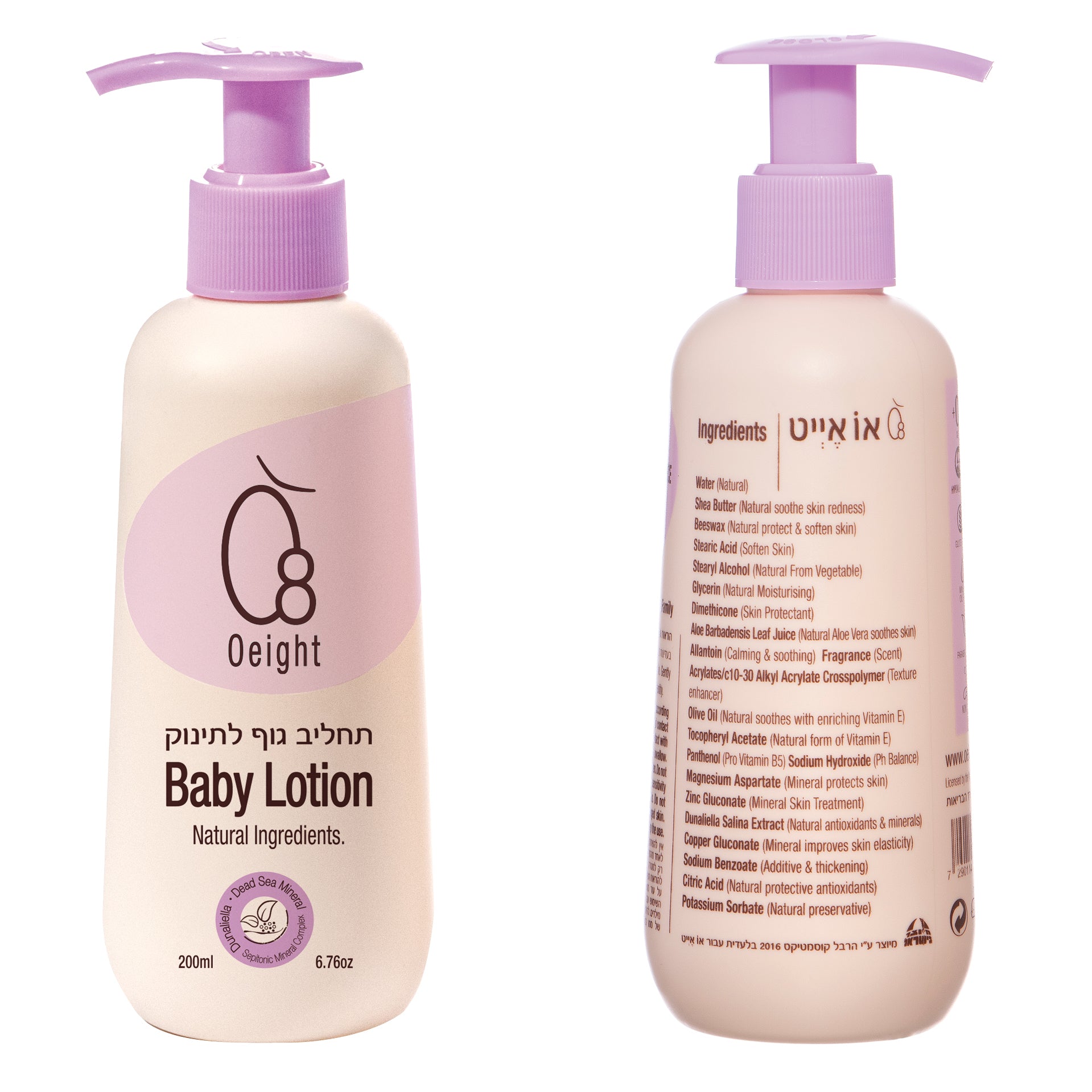
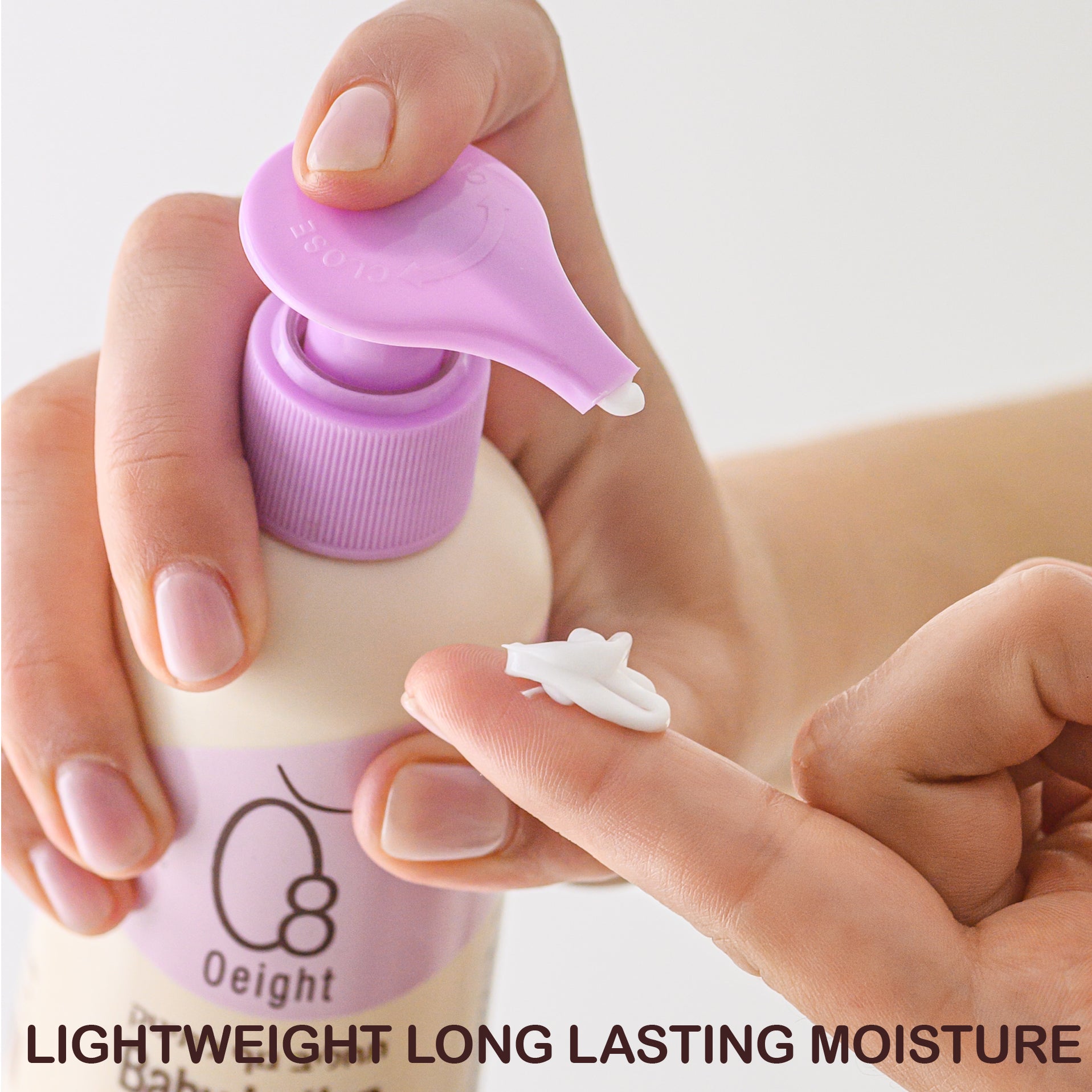
If dryness is a recurring issue, pair bathing with a simple moisturizer right after patting dry. For parents exploring OEIGHT routines, a basic post-bath option to review is OEIGHT Baby Lotion, 6.76 fl oz (200 ml).
Example Scenarios: Choosing Based on Skin Type
💧 Very Dry Skin
Choose a tear-free, pH-balanced wash with mild surfactants, plus glycerin and ceramides to support the skin barrier. After the bath, apply a straightforward moisturizer while the skin is still slightly damp.
🌿 Fragrance-Sensitive Baby
Choose fragrance-free instead of relying on “natural scent,” and avoid essential oils and long botanical perfume blends. Stick to a simple routine for a full week before switching products, so you can spot what actually helps.
Common Washing Mistakes to Avoid
Over-washing: using cleanser too often can dry out newborn skin and increase irritation, especially in winter or dry climates.
Using too much product: extra foam does not mean cleaner skin and can increase dryness.
Switching products too quickly: makes it impossible to identify the real trigger, change one variable at a time and give the skin a few days to respond.
If you want to avoid guesswork, choose one gentle, tear-free, fragrance-free wash from OEIGHT, use a small amount, keep baths short, and stick with the same routine for a full week so you can see real results before changing anything.
Conclusion
Choosing a Tear Free Natural Baby Wash for newborns comes down to three things: mild surfactants, fragrance-free formulas, and a transparent INCI list you can trust. If you want a low-risk, tear-free option made for sensitive newborn skin, shop OEIGHT now and add the right wash to your cart for a calmer, gentler bath routine.