

Best Natural Baby Eczema Creams: Dunaliella vs. Colloidal Oatmeal vs. Ceramides
A parent's guide to the creams that actually repair a baby's skin barrier, what's inside them, and the ingredients worth avoiding on the label.
The short version
The most effective natural baby eczema creams in America prioritize restoring the compromised epidermal barrier using highly biocompatible ingredients. Formulations containing Dunaliella Salina, colloidal oatmeal, and ceramides stand out as the premier choices for managing infant atopic dermatitis.
Dunaliella Salina offers anti-inflammatory and cellular repair properties, colloidal oatmeal soothes through avenanthramides, and ceramides replenish skin lipids in a precise 3:1:1 molar ratio that mimics the skin's own structure.
Safety comes first. Look for fragrance-free, dye-free, and hypoallergenic formulations to avoid further irritating eczema-prone skin.
Read labels closely. Avoid hidden irritants like essential oils, and understand the serious risk of raw ingredients like honey (infant botulism). Pair any cream with lukewarm baths, a gentle cleanser, cotton clothing, and control of triggers like heat and sweating.
The Science of Natural Baby Eczema Creams in America
The most effective natural baby eczema creams are formulated to repair a compromised skin barrier while soothing active inflammation. Atopic dermatitis, universally known as baby eczema, affects millions of infants across America. It shows up as red patches, itchy skin, and scaly patches that disrupt sleep and daily comfort.
This chronic inflammatory condition is driven by a weakened moisture barrier. A defective stratum corneum lets vital epidermal hydration escape while letting environmental irritants and allergens in. To fight these flare-ups, dermatological science has turned increasingly to powerful, evidence-based natural ingredients.
Plant-based ingredients and naturally occurring lipids have become the gold standard for therapeutic infant skincare. By using bioactive compounds like Dunaliella Salina microalgae, colloidal oatmeal, and synthetically matched natural ceramides, modern formulations can halt the itch-scratch cycle. They also help prevent secondary skin infections, which are frequently caused by Staphylococcus aureus biofilms colonizing the compromised tissue.
5 Best Natural Baby Eczema Creams for Sensitive Skin
The crowded American market for pediatric skincare rewards products that pair clinical efficacy with uncompromising safety. Parents increasingly want products that work and stick to a genuinely clean ingredient philosophy. Here are five natural creams, evaluated for their active ingredient profiles, scientific backing, and ability to manage dry skin and atopic dermatitis.
Aveeno Baby Eczema Therapy Moisturizing Cream
A staple in countless American households and widely pediatrician-recommended. It leans on the historically proven benefits of colloidal oatmeal to soothe irritated skin. The finely milled oat particles form a breathable, protective barrier that acts as a natural humectant, drawing in and holding moisture.
The cream is steroid-free and fragrance-free, which fits the safety standards sensitive newborn skin needs. It targets the hallmark symptoms of eczema, severe dryness and itch, and by combining colloidal oatmeal with glycerin and panthenol it supports barrier repair without a heavy, occlusive residue.
Oeight Baby Lotion
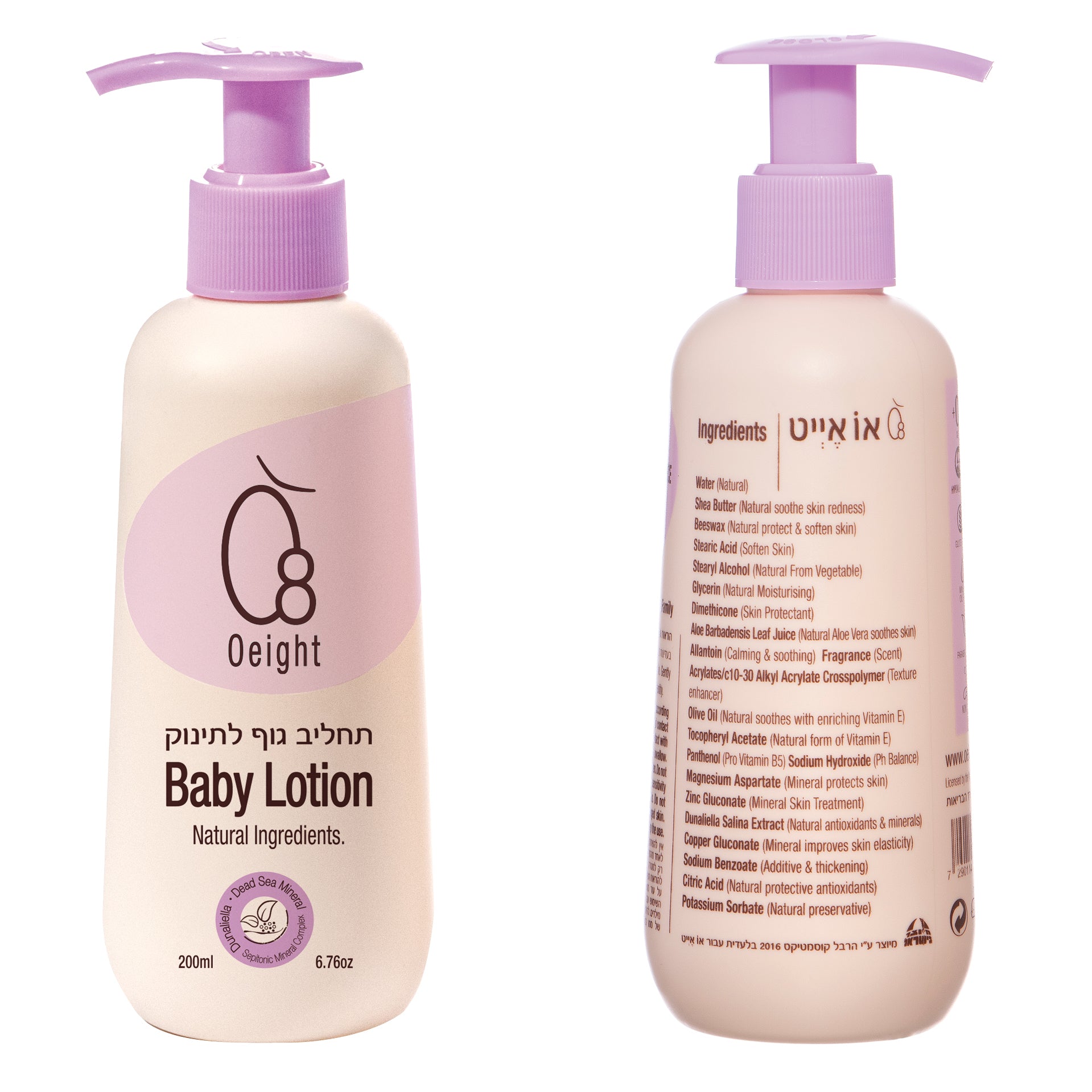
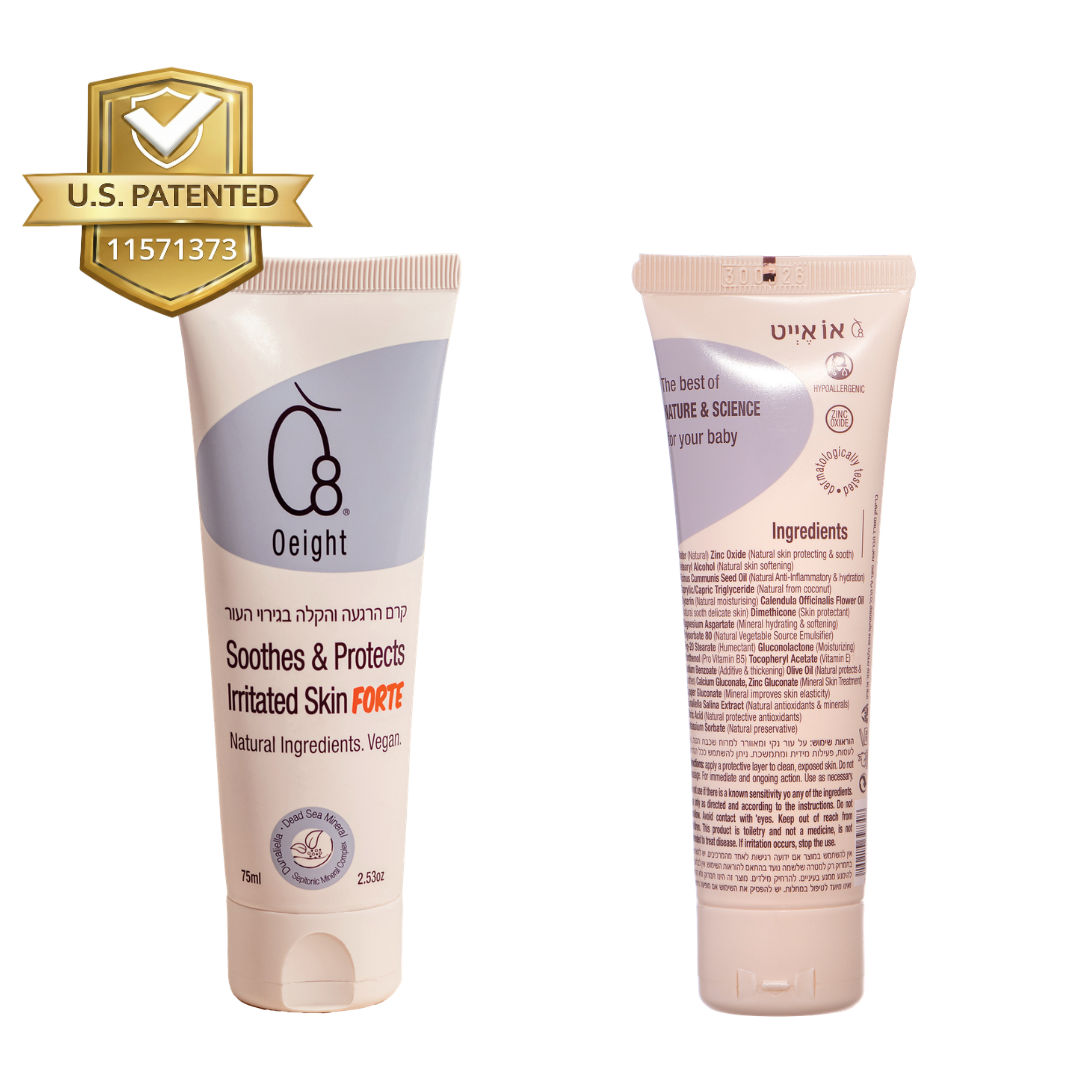
Oeight represents a real step forward in natural eczema care through a highly concentrated, patented formula built around Dunaliella Salina, a resilient microalga that thrives in extreme, hyper-saline environments. To survive intense solar radiation, this extremophile produces large amounts of beta-carotene and protective antioxidants, which translate into genuine dermatological benefits.
On delicate baby skin, this US and Israeli patent-protected formula neutralizes free radicals and deeply hydrates the damaged epidermis. What sets it apart is a commitment to 100% natural active ingredients with zero synthetic fragrances. Alongside Dunaliella Salina, it folds in organic shea butter, almond oil, and trace minerals like zinc and copper gluconate to support collagen synthesis and tissue repair.
The brand also uses smart, architect-designed packaging to protect the delicate bio-actives from oxidation, keeping the concentrated formula intact. That makes it a strong choice for newborns, babies, and toddlers with highly reactive skin.
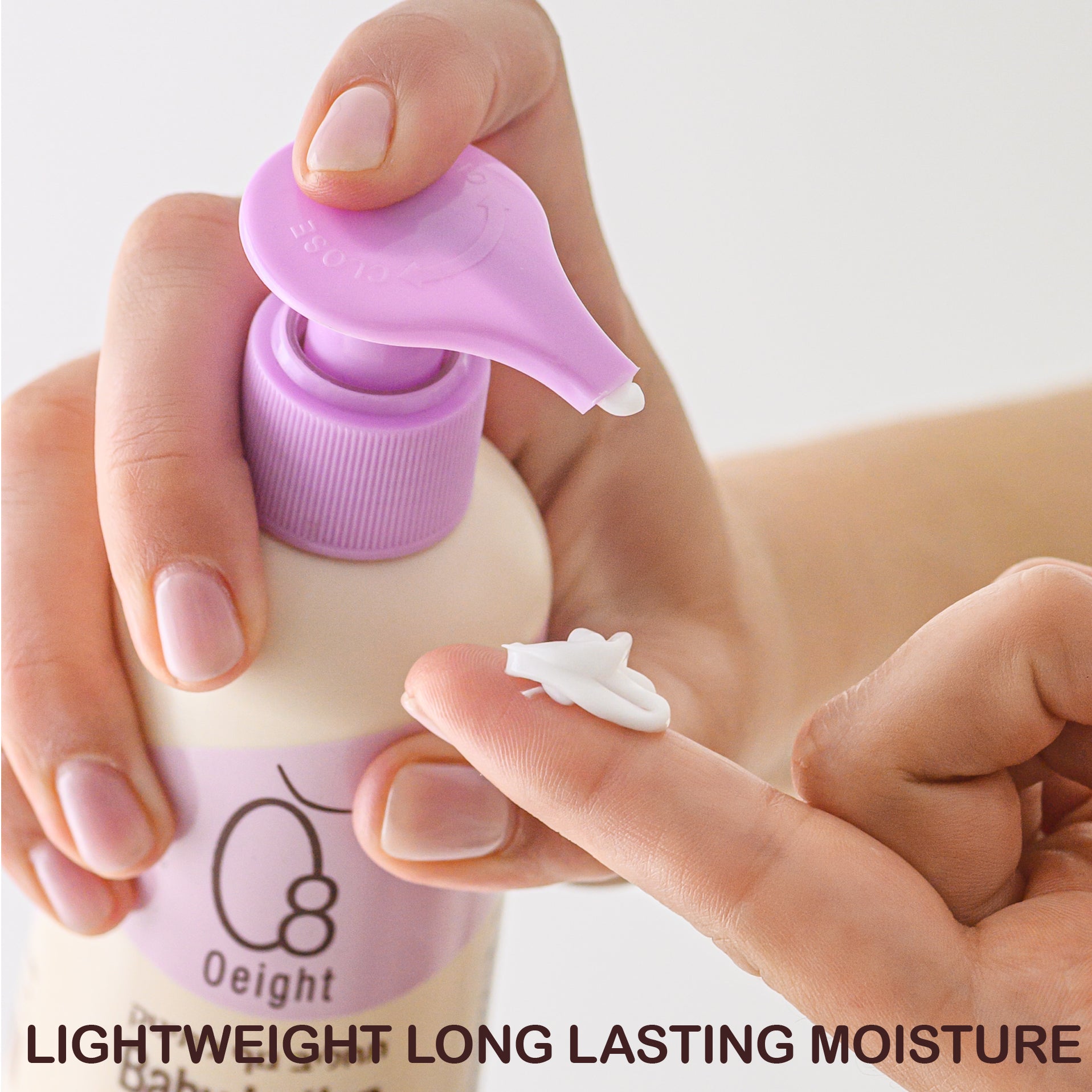
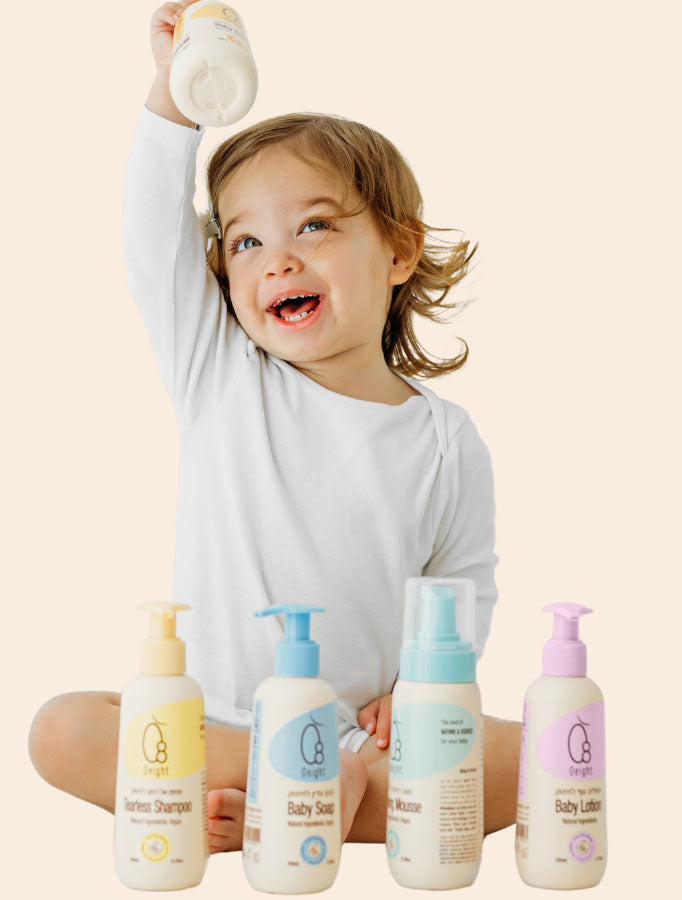
Oeight Baby Lotion · built for sensitive baby skin
CeraVe Baby Moisturizing Cream
A deeply clinical, targeted approach to barrier repair, focused almost entirely on ceramides. Ceramides are naturally occurring sphingolipids that make up roughly 50% of the skin's outermost layer, and this cream delivers three of them (1, 3, and 6-II) directly to the stratum corneum.
By replacing the structural lipids that eczema-prone skin lacks, it rebuilds the skin's defenses from the outside in. It carries the National Eczema Association Seal of Acceptance and is free of parabens, phthalates, and synthetic fragrances, using a delivery technology that releases moisturizing ingredients over 24 hours. Added hyaluronic acid and dimethicone help trap ambient moisture, which makes it effective at keeping dry, scaly patches from progressing into painful, oozing blisters.
Tubby Todd All Over Ointment
This one has a devoted following among parents who want a rich, plant-based emollient. Unlike water-based lotions, it lays down a thicker, more occlusive layer, which is ideal for localized dry spots, winter chapping, and acute flares.
The formula leans on botanical extracts and cold-pressed oils, avoiding harsh industrial chemicals and synthetic additives. An all-in-one product, it uses jojoba esters, camellia leaf extract, and beeswax to create a breathable but protective seal, and parents reach for it well beyond eczema (cradle cap, minor contact rashes). It's hypoallergenic, dermatologist-tested, and works as a barrier cream for extreme cold or persistent red patches.
Mustela Stelatopia Emollient Cream
Engineered for extremely dry, eczema-prone skin using active ingredients drawn from natural, sustainable sources. The hero is sunflower oil distillate, clinically shown to soothe inflamed skin and replenish epidermal lipids, and the formula is designed to stimulate the skin's own production of ceramides.
The wider Stelatopia line covers a full bath-to-bedtime routine: a cleansing gel, a lipid-replenishing cream pump, intense relief balms, cleansing oil, and an emollient cream for the face. The main emollient cream is lightweight yet nourishing, absorbing almost instantly for quick relief from itch. It's free of parabens, phthalates, and phenoxyethanol.
Deep Dive: Dunaliella vs. Colloidal Oatmeal vs. Ceramides

Knowing how each active ingredient actually works on the skin matters when you're picking a treatment for one specific baby. Dunaliella Salina, colloidal oatmeal, and natural ceramides all target atopic dermatitis, but they repair the barrier through different biochemical routes. Understanding those routes lets you match the product to the need: immediate itch relief, long-term structural repair, or deep cellular defense.
Dunaliella Salina
Cellular antioxidant defense and osmotic hydration. Beta-carotene (cis/trans isomers), vitamins, and trace minerals shield reactive tissue and cut transepidermal water loss.
Colloidal Oatmeal
Avenanthramides inhibit inflammatory cytokines and calm itch signaling, while oat starches and beta-glucans form a protective moisture film.
Ceramides (3:1:1)
Structural replacement of depleted stratum corneum lipids. The 3:1:1 ratio signals the skin's own repair machinery to rebuild the barrier.
The Power of Dunaliella Salina for Eczema-Prone Skin
Dunaliella Salina is a single-cell green microalga that thrives in high-salinity water like the Dead Sea. To survive relentless solar radiation and extreme osmotic stress, this extremophile produces an unusually high concentration of carotenoids, especially beta-carotene, alongside supportive vitamins and trace minerals.
Extracted and formulated into premium baby skincare, these marine compounds act as powerful anti-inflammatory and antioxidant agents. In infant eczema, Dunaliella Salina works at the cellular level to shield delicate tissue from the environmental aggressors that keep triggering the itch-scratch cycle. Its naturally occurring mix of cis and trans isomers of beta-carotene offers better biological availability than cheaper synthetic alternatives.
That bioavailability speeds barrier maintenance and recovery after scratching or minor injury. Its natural osmotic properties also help regulate the water balance in the epidermis, which lowers transepidermal water loss (TEWL) in reactive, atopic skin and locks moisture in where it's needed.
Colloidal Oatmeal: The Traditional Anti-Inflammatory
Colloidal oatmeal, finely milled Avena sativa, is one of the few natural ingredients the FDA officially recognizes as a skin protectant. Its track record against dry, itchy skin comes from its complex chemistry: starches, beta-glucans, natural lipids, and a distinctive group of polyphenolic antioxidants called avenanthramides.
Those avenanthramides are the main drivers of oatmeal's anti-inflammatory punch. Clinical studies show they inhibit the release of pro-inflammatory cytokines in the skin, which reduces pruritogen-induced scratching in both animal models and human infants.
In an oatmeal bath or a rich emollient cream, the oat starches and beta-glucans form a viscous, water-loving film over the damaged skin that absorbs ambient water and locks it into the stratum corneum. That combination of physical barrier and biochemical calm is why colloidal oatmeal remains a cornerstone of natural eczema therapy.
Ceramides and the 3:1:1 Molar Ratio
Unlike botanical extracts, ceramides are endogenous sphingolipids that make up about 50% of the extracellular lipid matrix in a healthy stratum corneum. In well-functioning skin, ceramides sit alongside cholesterol and free fatty acids in a precise 3:1:1 molar ratio, forming organized, impermeable lamellar membranes that prevent moisture loss and block pathogens.
Infants with atopic dermatitis have a genetic metabolic defect that leaves them chronically short on these ceramides. Applying natural or bio-identical ceramides topically aims to replace the missing components directly. When a cream uses the optimal 3:1:1 ratio, it signals the skin's own repair mechanisms to accelerate barrier restoration.
Ceramide-dominant emollients are clinically proven to reduce localized inflammation and boost epidermal hydration. In many observations they match the efficacy of mild topical corticosteroids, but without the long-term side effects such as skin thinning or atrophy.
Comparative Ingredient Analysis
| Feature | Dunaliella Salina | Colloidal Oatmeal | Ceramides (3:1:1) |
|---|---|---|---|
| Origin source | Extremophile green microalgae | Finely milled Avena sativa (oat) | Bio-identical or naturally derived sphingolipids |
| Primary mechanism | Cellular antioxidant defense and osmotic hydration | Cytokine inhibition (avenanthramides) and physical moisture film | Structural replacement of depleted stratum corneum lipids |
| Key active compounds | Beta-carotene (cis/trans isomers), vitamins, trace minerals | Avenanthramides, beta-glucans, natural starches | Ceramide NP, Ceramide EOP, Ceramide AP |
| Best used for | Environmental protection, extreme reactivity, deep cellular repair | Acute itching, widespread red patches, soothing baths | Chronic barrier dysfunction, extreme dryness, long-term maintenance |
| Anti-inflammatory action | High (neutralizes free radicals and oxidative stress) | High (directly inhibits itch signaling and inflammatory pathways) | Moderate (reduces inflammation indirectly via barrier repair) |
| Grease & residue factor | Low (absorbs deeply without sitting on the surface) | Low to medium (leaves a slightly silky protective film) | Medium (depends on the specific emulsion or ointment base) |
Types of Natural Baby Eczema Creams
The consistency and formulation type of a product decides how deeply it penetrates and how long it protects the skin. Choose the type based on how severe the flare is right now and the climate in your home.

Ointments
The highest moisture retention thanks to a heavy, occlusive texture. White petrolatum, petroleum jelly, beeswax, or tallow create a dense seal, ideal for severe scaly patches, wet wraps, and overnight treatment. The trade-off: a greasy feel that's impractical for full-body daytime use, and they can trap body heat and worsen sweat-induced flares in warm climates.
Creams
The most versatile, popular option for daily management, striking a balance between oil and water. Higher lipid content than lotions lets them carry heavier actives like ceramides, coconut oil, and shea butter into deeper layers. They absorb fairly quickly while still leaving a lasting protective layer, which is why they're the standard recommendation for twice-daily use.
Lotions
The highest water content, built mostly with lightweight humectants like glycerin, hyaluronic acid, and aloe vera. Because the water base evaporates fast, some lotions sting on cracked or bleeding skin. Ultra-clean formulations, especially those with Dunaliella Salina, are crafted to skip that problem and deliver soothing cellular hydration, which makes them well suited to daily maintenance between flares.
Balms & Salves
Concentrated, semi-solid formulas that usually leave water out entirely, relying on plant oils and waxes like sunflower oil, calendula, and cocoa butter. Portable and great for spot-treating red patches on the face, joints, or diaper area, they stay put for hours and are a favorite for plant-based, preservative-free options.
Expanded Market Analysis: Notable Alternatives in America
Beyond the top five, the American market is saturated with secondary options that show up constantly in consumer research. Knowing them, and their specific angle, rounds out the picture.
Many families explore Weleda for its biodynamic calendula, or reach for petrolatum-based occlusives like Aquaphor Healing Ointment and Eucerin Baby Eczema Relief Cream. Others prefer widely available drugstore options such as California Baby Therapeutic Relief Eczema Cream and Baby Dove Eczema Care Soothing Cream. For nighttime, the Aveeno Baby Eczema Nighttime Balm is a thicker alternative to the standard cream. Niche and boutique brands (Pipette, Vanicream, Roe Wellness, Emily Skin Soothers, Nurst, Grahams Natural) hold loyal followings by targeting specific ingredient aversions or microbiome-focused therapies. And Eczema Honey has gone viral, though it needs careful thought around infant safety (more on that below).
Key Factors When Choosing Natural Baby Eczema Creams
Picking the right product for an infant means scrutinizing ingredient lists and manufacturing practices. The market is vast and heavily commercialized, and vague terms like "natural," "pure," or "gentle" aren't strictly regulated by the FDA. That puts the burden of an informed decision on you.
Safety Standards and Certifications
The most reliable signal of safety for atopic dermatitis is third-party validation. The National Eczema Association (NEA) awards a Seal of Acceptance to products independently vetted to exclude known irritants and common contact allergens. Products made in an FDA-registered facility offer a higher baseline of quality control and purity. Look for products explicitly labeled dermatologist-tested, clinically proven, and genuinely hypoallergenic.
Superior Natural Ingredients
A natural cream is only as good as the biological quality of its ingredients. Seek out lipid-rich emollients like unrefined shea butter, virgin coconut oil, and cold-pressed olive oil, which mimic the skin's own sebum. Humectants such as plant-derived glycerin pull environmental moisture into the tissue, while soothing botanicals like calendula and aloe vera calm redness. Advanced, science-backed ingredients (patented Dunaliella Salina extracts, bio-fermented ceramides, colostrum, niacinamide, or pharmaceutical-grade lanolin) point to a more sophisticated formulation.
Ingredients to Strictly Avoid
Synthetic dyes, parabens, and endocrine-disrupting phthalates can trigger contact dermatitis and disrupt a developing child's endocrine system. Harsh surfactants like sodium lauryl sulfate (SLS) strip the skin of its protective lipid barrier, which cancels out the benefit of whatever moisturizer you apply afterward. Get comfortable reading INCI (International Nomenclature of Cosmetic Ingredients) labels to spot hidden formaldehyde-releasing preservatives, drying alcohols, and irritating dyes. Choosing dye-free products is a simple but critical first step.
Common Skin Irritants and Natural Alternatives
| Irritant to avoid | Associated risk / reaction | Safe natural alternative |
|---|---|---|
| Synthetic fragrance / parfum | High risk of contact dermatitis and flare-ups | Zero fragrance, or natural soothing extracts (e.g. aloe vera) |
| Sodium lauryl sulfate (SLS) | Strips natural lipids, causes tightness and dryness | Coco-glucoside or gentle, soap-free cleansers |
| Parabens (methylparaben, etc.) | Endocrine disruption, localized sensitivity | Potassium sorbate or self-preserving oil bases |
| Artificial dyes (FD&C colors) | Unnecessary chemical exposure, allergic responses | Dye-free formulas (natural color from beta-carotene, etc.) |
| Mineral oil (low-quality forms) | Sits heavily on skin, trapping heat and sweat | Cold-pressed almond oil or jojoba esters |
Benefits of Natural Baby Eczema Creams
Good natural eczema creams do a lot more than surface-level moisturizing. The benefits compound over time.

- Skin barrier repair and fortification. Natural lipids, targeted ceramides, and microalgae extracts rebuild the compromised stratum corneum, creating a resilient shield against pollutants, harsh weather, and airborne allergens.
- Reduced reliance on topical corticosteroids. By maintaining barrier health and stopping inflammation early with ingredients like avenanthramides and Dunaliella, parents can often cut back on prescription hydrocortisone or calcineurin inhibitors and their long-term side effects.
- Microbiome support and infection prevention. Plant-based formulas help keep skin at the right acidic pH and well hydrated, which discourages the overgrowth of Staphylococcus aureus that colonizes eczematous skin and leads to infection and oozing.
- Long-term allergy prevention. The "Atopic March" theory holds that repairing the barrier early keeps systemic allergens out of the bloodstream, potentially lowering a child's lifelong risk of food allergies and asthma.
Safety Considerations and American Guidelines
Natural doesn't automatically mean safe for every child. Following the guidance of major American authorities like the Mayo Clinic and the American Academy of Dermatology is essential for managing infant atopic dermatitis safely.
Fragrance-Free vs. Unscented
The American Academy of Dermatology repeatedly warns that artificial fragrance is one of the most common triggers for eczema flare-ups, so the legal distinction between "fragrance-free" and "unscented" matters. Unscented products often contain masking chemicals designed to hide the natural smell of the raw ingredients, and those masking agents can still cause allergic contact dermatitis. True fragrance-free products contain zero synthetic fragrances or perfumes, which keeps the risk of irritation as low as possible.
⚠ The danger of essential oils
A common and dangerous myth is that all natural botanical extracts are safe for babies. Essential oils like lavender, tea tree, and citrus are highly concentrated, volatile compounds. They do have antimicrobial properties, but they're aggressive skin sensitizers, and on the broken, hyper-permeable skin of an eczema-prone infant they can provoke severe allergic reactions, contact dermatitis, and chemical burns. Pediatric dermatologists advise keeping essential oils out of leave-on products for infants entirely.
✕ The infant botulism risk with honey
Honey, including products marketed for skin like Eczema Honey, is popular as a natural humectant. But the Mayo Clinic, the FDA, and the National Library of Medicine unequivocally warn against exposing infants under one year to raw honey in any form because of the serious risk of infant botulism. Clostridium botulinum spores can contaminate raw honey; while the risk is usually tied to oral ingestion, applying it to cracked or compromised skin is a documented hazard for young neonates. Always consult a pediatrician before using honey-based topicals on infants.
Patch-Testing and Environmental Triggers
Before adding any new cream to a baby's routine, do a patch test: apply a small amount to the inner forearm and watch the area for 24 to 48 hours to catch individual sensitivities before a full-body flare. Pair topical care with smart environmental management, too. Avoiding heat exposure, using 100% breathable cotton clothing, and managing excessive sweating are critical daily steps, because heat and friction aggravate atopic dermatitis and trigger itch no matter how good the cream is.
For acute flares, pediatricians often recommend wet wraps: a thick layer of emollient or a non-steroidal topical under damp cotton clothing to lock in moisture and cool the skin overnight. For the most severe, treatment-resistant cases, doctors may discuss systemic therapies like dupilumab, though natural barrier maintenance remains the first line of defense.
Top Reasons to Choose Oeight for Natural Baby Eczema Creams
Across the natural baby skincare landscape, Oeight bridges the gap between clinical dermatology and pure, plant-based ingredients, offering a specialized solution for delicate, highly reactive skin.
The cornerstone is its proprietary Dunaliella Salina formulation. Protected by US and Israeli patents, this microalgae extract delivers high levels of natural beta-carotene, antioxidants, and anti-inflammatory compounds straight to compromised skin cells. Unlike mass-produced lotions built on cheap synthetic fillers and water, Oeight uses 100% natural active ingredients, so every component, from organic shea butter to collagen-supporting copper gluconate, has a validated purpose.
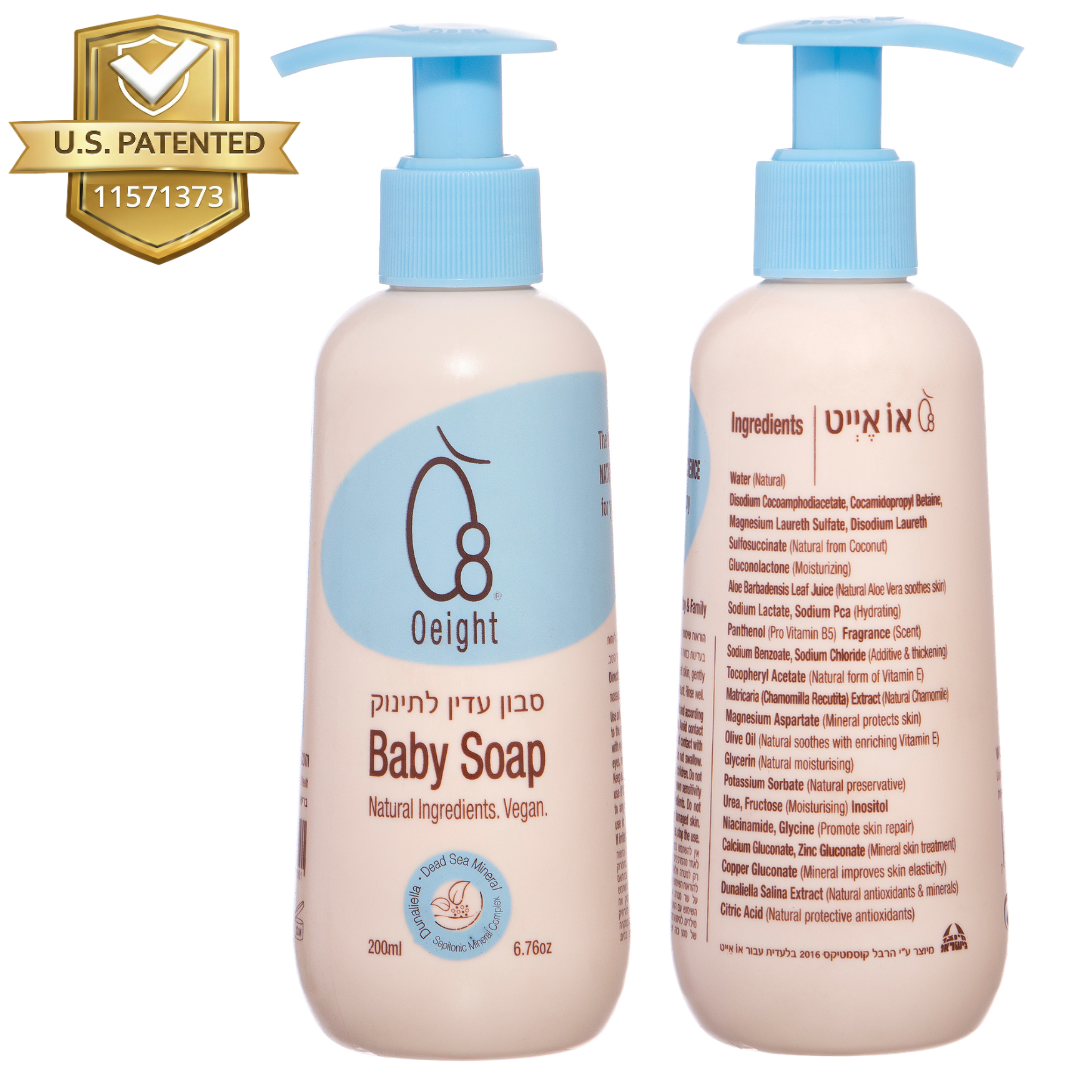
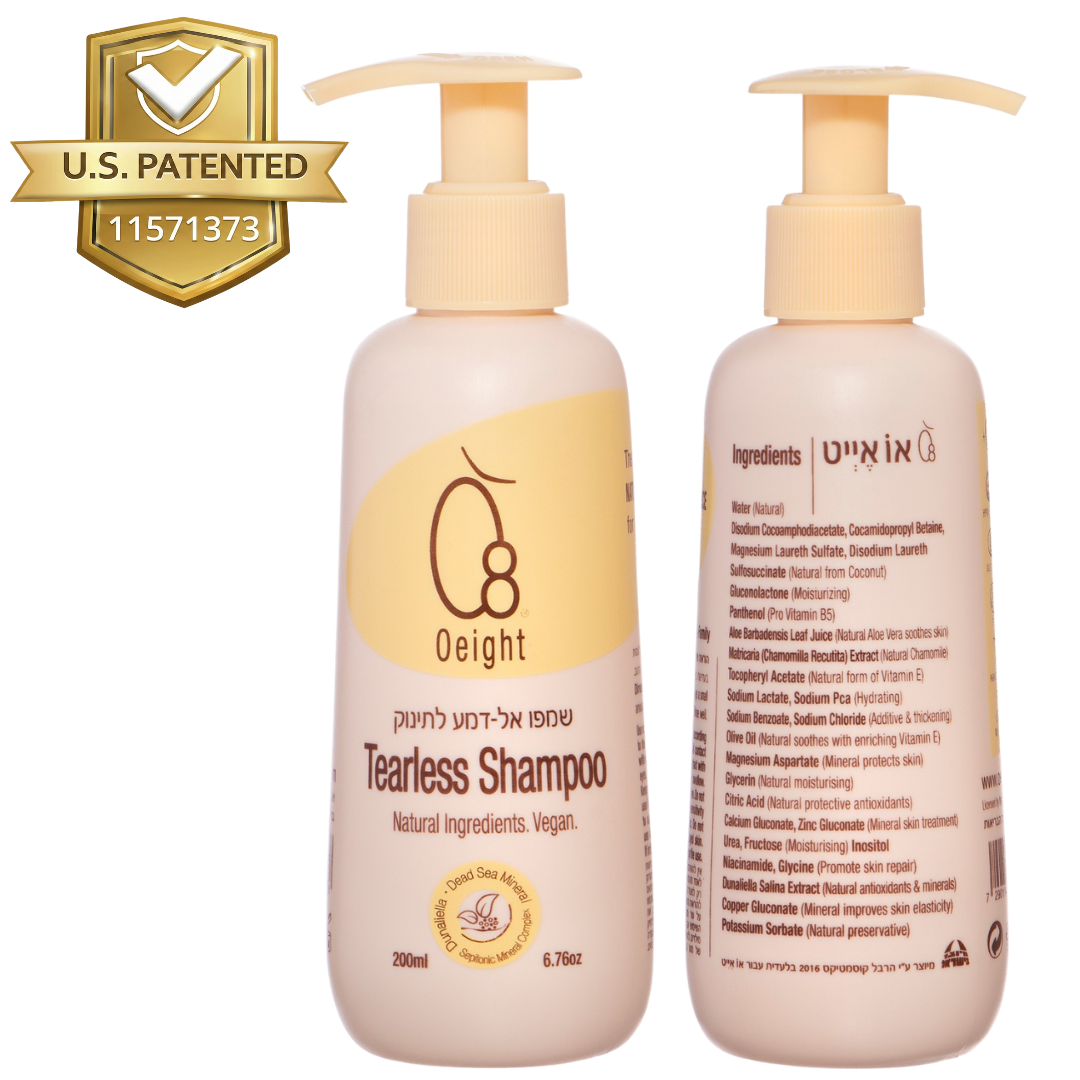
For parents worn out by cosmetic label reading, it offers real transparency: zero synthetic fragrances, zero harsh sulfates, zero parabens, zero artificial dyes. To build a non-irritating daily regimen, pair the Oeight Baby Lotion with the ultra-gentle Tearless Baby Shampoo and the SLS-free Gentle Baby Body Soap.
Education is part of the mission, too. Parents who want to go deeper can read the guides on how to read a baby skincare label and why babies develop dry skin. By prioritizing deep cellular repair through extremophile science and protecting the formula with smart, architect-designed packaging, Oeight offers a strong defense against baby eczema.
Frequently Asked Questions
What are the best natural baby eczema creams for sensitive skin?
The most effective natural creams rely on biocompatible ingredients to restore the skin barrier. Top choices include formulations with patented Dunaliella Salina for cellular antioxidant defense, colloidal oatmeal for soothing anti-inflammatory itch relief, and a precise 3:1:1 molar ratio of natural ceramides for structural lipid replacement.
Are natural baby eczema creams safe for young children?
Generally yes, provided they're fragrance-free, dye-free, and genuinely hypoallergenic. Avoid natural irritants like volatile essential oils (lavender, tea tree) and raw honey (infant botulism risk). Opt for dermatologist-tested formulas and always run a patch test before full-body application.
How do I choose a natural baby eczema cream?
Read the INCI label to confirm the absence of synthetic fragrances, parabens, and harsh sulfates. Look for the National Eczema Association Seal of Acceptance, protective packaging that preserves active antioxidants, and proven barrier-repairing ingredients like shea butter, glycerin, natural ceramides, or microalgae extracts.
Can natural ingredients replace topical corticosteroids?
Daily use of barrier-repairing natural creams can significantly reduce the frequency and intensity of flare-ups, which lowers the overall need for corticosteroids. Severe, infected, or weeping flares may still need temporary prescription treatment (hydrocortisone or calcineurin inhibitors), but a consistent natural routine is the foundation of long-term, steroid-sparing management.
Final Recommendations for Managing Baby Eczema
Managing infant atopic dermatitis takes a disciplined approach that goes beyond just applying a cream. The foundation is daily lukewarm baths of no more than 5 to 10 minutes, using a gentle, soap-free, fragrance-free cleanser.
Right after the bath, pat the skin gently with a soft towel (never rub) and apply a thick layer of a quality natural cream within three minutes to lock in moisture.
The choice between Dunaliella Salina, colloidal oatmeal, and ceramides should follow the child's specific skin needs and environment. Whether you rely on the cellular antioxidant repair of extremophile microalgae, the soothing film of milled oats, or the structural lipid replenishment of bio-identical ceramides, the goal is the same: halt transepidermal water loss and keep inflammatory triggers out of the stratum corneum.
By eliminating environmental triggers, sticking to breathable cotton clothing, and avoiding hidden label irritants like essential oils and synthetic fragrances, you can break the itch-scratch cycle. With consistent, medically informed care, it's entirely possible to restore a suffering infant's skin barrier and reduce reliance on harsh pharmaceutical interventions.