

How Often Should You Bathe a Newborn? A Simple Routine Guide
adQuick Answer: Bathe a newborn about 2 to 3 times a week. More than that can dry out their skin. On non-bath days, a quick "topping and tailing" wash keeps them clean.
Key Takeaways
- Most newborns need a bath only 2 to 3 times a week. This is the recommended newborn bathing frequency, and daily baths can dry out delicate skin.
- Start with a sponge bath until the umbilical cord stump falls off and heals (about 1 to 2 weeks).
- Keep the water temperature around 100°F, and never above 120°F. Always test it on your wrist or elbow.
- The diaper area and skin folds get cleaned at every diaper change, which is why full baths can be infrequent.
- Pat dry, then moisturize right away with a gentle, fragrance-free baby lotion while skin is still slightly damp.
- Never leave a baby alone in or near water, not even for a second. Safe handling is the most important part of any bath time routine.
How Often Should You Bathe a Newborn?
Two to three baths a week is enough for most newborns. Babies this young rarely sweat or get dirty enough to need a daily bath, and washing too often can strip the natural oils that protect their skin.
The American Academy of Pediatrics (AAP) notes that three baths per week during the first year may be plenty. The Mayo Clinic gives the same two-to-three-times-a-week guidance until your baby becomes more mobile, and the UK's NHS reaches the same conclusion on newborn bathing frequency.
The key thing to understand: you are already cleaning the parts that matter most at every diaper change. As long as the diaper area is wiped thoroughly, the rest of your baby simply does not get very dirty.
(Suggested visual: simple weekly calendar infographic showing "Bath" marked on 3 non-consecutive days.)

Why Not Bathe a Newborn Every Day?
Daily bathing can dry out and irritate a newborn's skin. A baby's skin barrier is still developing, so over-washing removes protective oils faster than the skin can replace them.
Pediatricians and dermatologists consistently flag the same risks of too-frequent bathing:
- Dryness and flaking, especially in winter or dry climates.
- Increased irritation that can make sensitive or eczema-prone skin worse.
- Loss of natural oils that help the skin retain moisture.
A helpful rule of thumb from the AAP: if your baby's skin stays dry even with moisturizer, you may simply be bathing too often. Between baths, a quick wipe-down of the face, neck folds, and diaper area with a soft, warm washcloth keeps your baby fresh.
What Is "Topping and Tailing"? (Cleaning Between Baths)
Topping and tailing means washing only your baby's face, neck, hands, and bottom with warm water, instead of giving a full bath. It is the simplest way to keep a newborn clean on non-bath days.
The NHS recommends this gentle method for washing and bathing your baby in the early weeks. Here is how it works:
- Get set up. Warm the room and gather a bowl of warm water, cotton wool or a soft cloth, a fresh diaper, and clean clothes.
- Top. Wipe gently around each eye from the nose outward, using a fresh piece of cotton wool for each eye. Clean around (not inside) the ears, then the face, neck, and hands. Dry gently.
- Tail. Remove the diaper, clean the diaper area thoroughly, and check the skin folds around the thighs and groin.
- Dress. Pat dry, paying attention to skin creases, then put on a fresh diaper and clothes.
This routine, plus thorough diaper area cleaning at every change, is exactly why a full bath only needs to happen 2 to 3 times a week.
(Suggested visual: NHS-style "how do I bath my baby?" demonstration video or a topping-and-tailing step diagram.)
When Should a Newborn Have Their First Bath?
Many experts now recommend delaying the very first bath for at least 24 hours after birth. This guidance comes from the World Health Organization and is increasingly followed in U.S. hospitals.
There are a few reasons for waiting:
- Temperature stability. Bathing too soon can lower a newborn's body temperature and raise the risk of hypothermia.
- Blood sugar. The minor stress of an early bath can contribute to low blood sugar (hypoglycemia).
- Vernix. Newborns are born coated in vernix, a waxy white layer that acts as a natural moisturizer and may have protective, antibacterial properties. Leaving it on for a while helps protect delicate skin.
At home, the same gentle principle applies: there is no rush. A calm, unhurried first bath is far more important than an early one.
Sponge Bath or Tub Bath? How to Tell Which Your Baby Needs
Use sponge baths until the umbilical cord stump falls off and the area has fully healed. This usually happens within one to two weeks. Submerging the stump too early can slow healing.
Once the stump is gone and any circumcision site has healed, you can move to a small infant tub. Start slow and keep the first few tub baths short. If your baby clearly dislikes it, go back to sponge baths for a week or two and try again later.
Quick Comparison: Sponge Bath vs. Tub Bath
| Feature | Sponge Bath | Infant Tub Bath |
|---|---|---|
| Best for | Newborns before the cord stump heals | Babies after the stump falls off and heals |
| Typical age | Birth to about 1 to 2 weeks | After about 1 to 2 weeks |
| Water needed | A small bowl of warm water | A shallow, partly filled infant tub |
| Main benefit | Keeps the cord area dry while healing | Gentle introduction to full bathing |
| Watch out for | Keeping baby warm between sections | Slipping; keep one hand on baby always |
(Suggested visual: side-by-side photo or illustration of a sponge bath setup vs. an infant tub setup.)

A Simple Newborn Bath Routine: Step by Step
Here is a calm, repeatable routine you can use 2 to 3 times a week.
Step 1: Gather everything first
Lay out a soft towel, a clean washcloth, a mild fragrance-free wash, a clean diaper, and fresh clothes. Once a bath starts, you should never step away, so everything needs to be within arm's reach.
Step 2: Warm the room and the water
Pick a warm, draft-free spot. Fill your bowl or tub with warm water at about 100°F. Test it on the inside of your wrist or your elbow. It should feel comfortably warm, never hot. As an extra safeguard, set your home water heater no higher than 120°F.
Step 3: Undress and keep baby warm
For a sponge bath, lay your baby on a towel and cover the parts you are not washing. Newborns lose heat quickly, so expose only one small area at a time.
Step 4: Wash gently, top to bottom
Start with the face using plain water and no soap. Move down the body, saving the diaper area for last. Pay attention to skin folds in the neck, armpits, thighs, and groin, where milk and moisture collect.
Step 5: Use a mild cleanser sparingly
A small amount of gentle, fragrance-free wash is enough, and you do not need it at every bath. Avoid harsh or heavily scented products on newborn skin.
Step 6: Rinse and lift safely
Rinse with clean warm water. If using a tub, keep one hand supporting your baby's head and neck at all times. Newborns are slippery when wet.
Step 7: Pat dry and moisturize right away
Wrap your baby in a towel and pat the skin dry rather than rubbing. While the skin is still slightly damp, apply a gentle, fragrance-free moisturizer to lock in moisture, which is especially helpful for dry or sensitive skin.
(Suggested visual: numbered step-by-step "Newborn Bath Routine" infographic or short how-to video.)
Baby Bath Safety Tips: The Non-Negotiables
Drowning can happen in seconds and in just an inch of water, so supervision is the single most important safety rule. Safe handling matters more than any product or gadget. Keep these baby bath safety tips front and center:
- Never leave your baby unattended, even to grab a forgotten towel.
- Always test the water temperature before your baby goes in.
- Support the head and neck throughout a tub bath, and keep one hand on your baby at all times.
- Choose a safe baby tub. The U.S. Consumer Product Safety Commission recommends a hard plastic infant tub with a sloped, textured surface or sling, manufactured on or after October 2, 2017, so it meets current safety standards.
- Understand baby bath seats. A baby bath seat is a positioning aid for older, sitting babies, not a safety or anti-drowning device. It can tip over, so a baby in a bath seat still needs constant hands-on supervision.
- Empty the tub right away after each bath so there is no standing water nearby.
A Note on Nail Care
Bath time is a good moment to check your baby's nails, since they soften in water. For cutting your baby's nails safely, use baby nail clippers, blunt-tipped baby scissors, or a fine emery board, and trim only when your baby is calm or asleep.

Choosing Gentle Products for Newborn Bath Time
For newborn skin, less is more: choose a mild, fragrance-free baby cleanser and use only a little. Strong soaps and synthetic fragrances are common triggers for dryness and irritation in babies.
In fact, the NHS suggests using plain water for roughly the first month, then introducing a gentle baby cleanser as your baby's skin barrier matures. When you do build out a kit, keep it simple:
- Baby cleanser: a mild, fragrance-free wash, used sparingly and not at every bath.
- Fragrance-free baby shampoo: only needed once your baby has enough hair to warrant it.
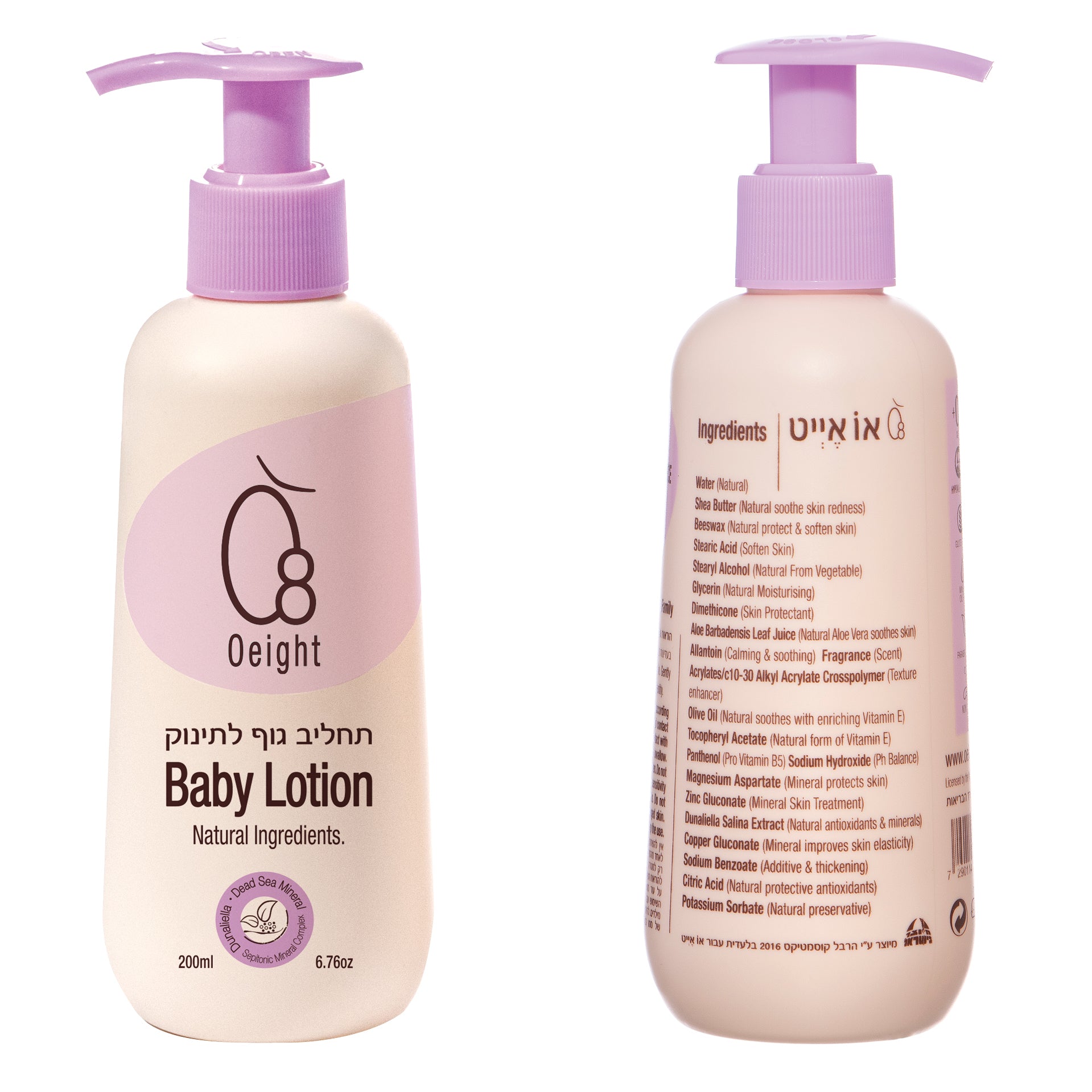
- Baby lotion: an unscented moisturizer to seal in hydration after drying.
- Baby wipes: a fragrance-free option for quick diaper area cleaning between baths.
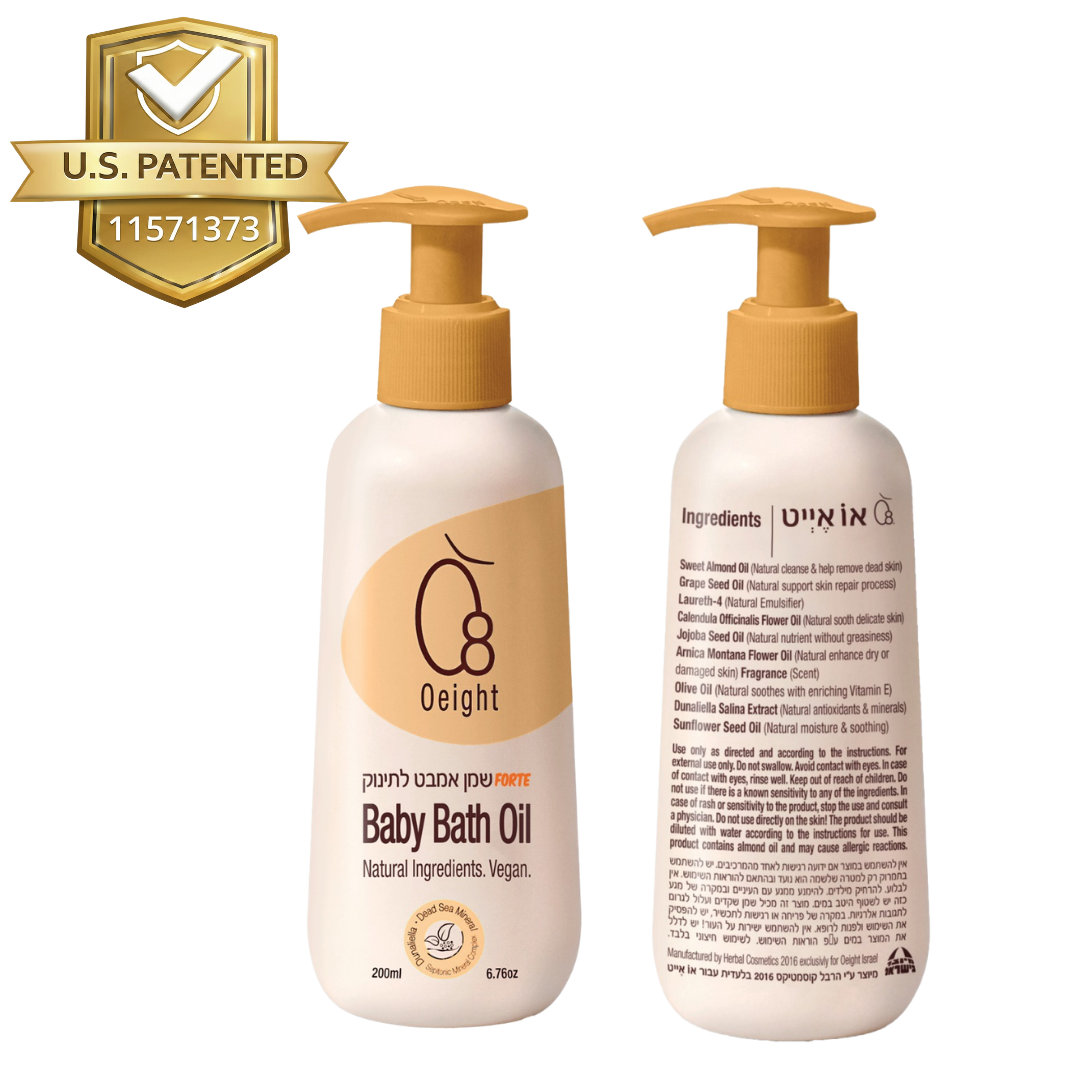
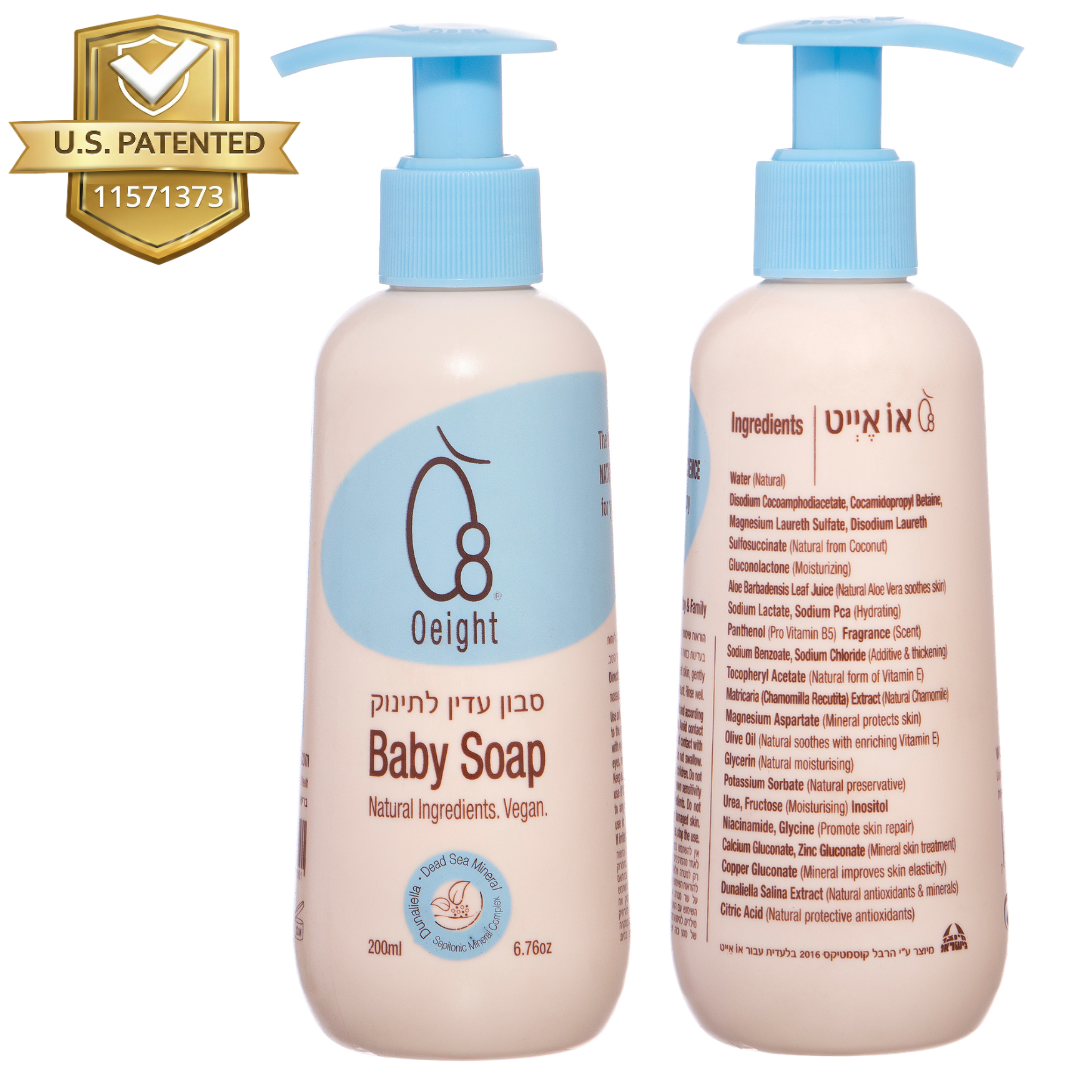
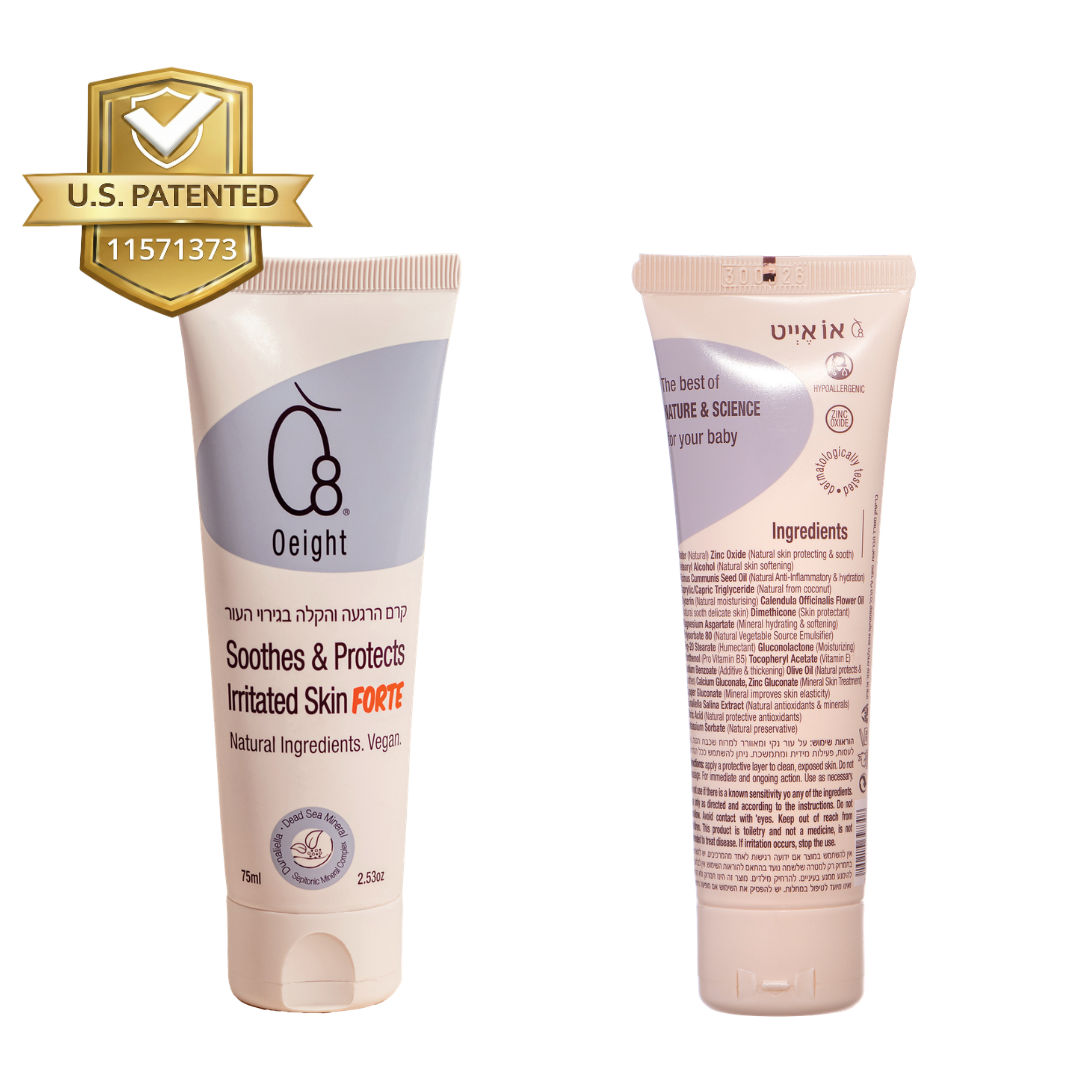
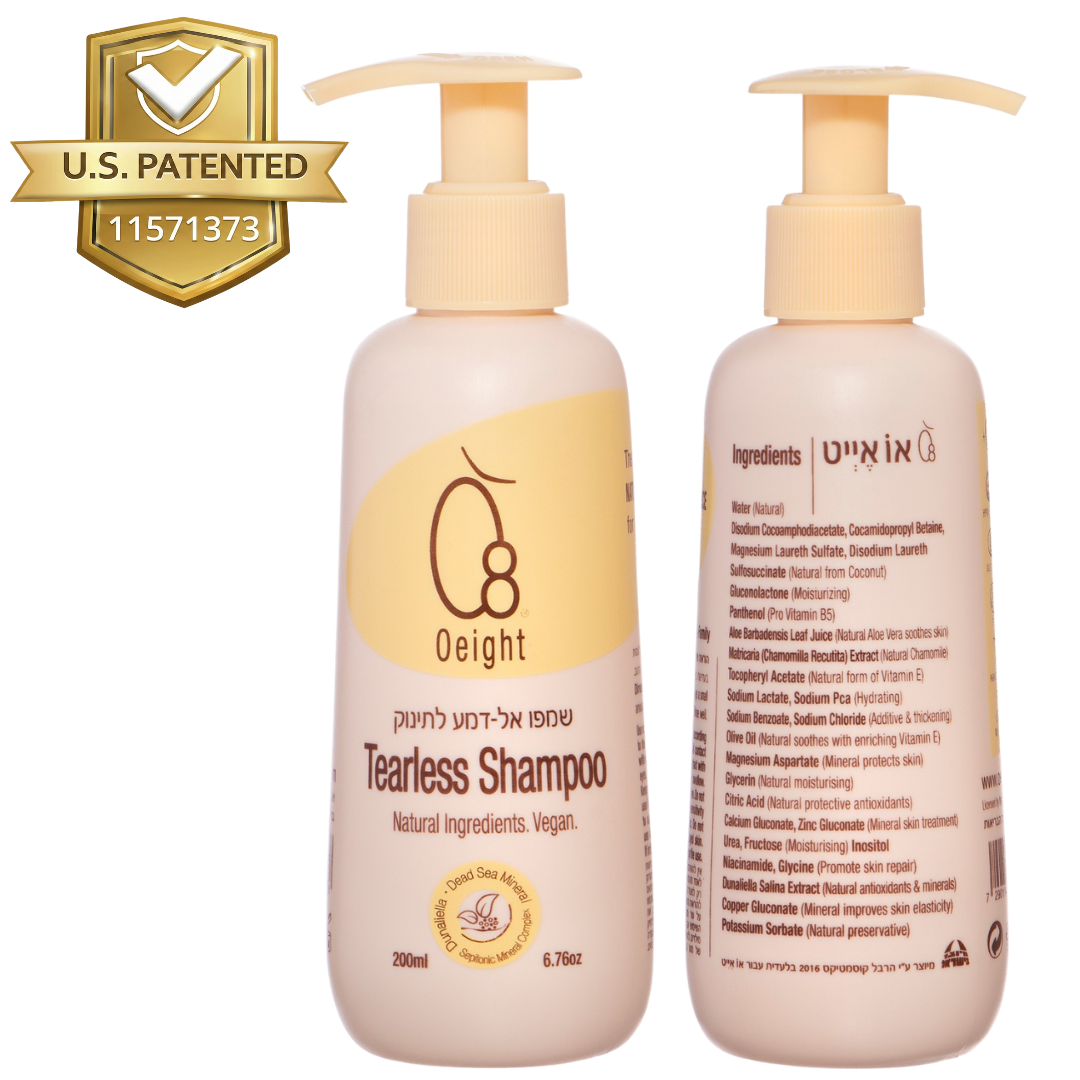
When you do reach for a cleanser, look for one that is concentrated, low on additives, and free of synthetic fragrance, since a single gentle formula can handle both washing and conditioning without layering on extra products. Parents comparing options often start by reviewing a curated range of gentle baby wash and soap designed specifically for delicate, sensitive newborn skin.
The goal is simple: clean effectively, protect the skin barrier, and skip anything your baby's skin does not need.
Signs You May Be Bathing Your Newborn Too Often
Watch for these clues that it is time to scale back:
- Dry, flaky, or rough patches that linger.
- Redness or irritation, especially in skin folds.
- Skin that stays dry even after moisturizing.
If you notice these, try reducing baths to twice a week, shortening bath time, and moisturizing immediately afterward.
When to Talk to Your Pediatrician
Bathing is rarely a medical issue, but check with your pediatrician or a board-certified dermatologist if you notice any of the following, rather than treating them at home:
- Persistent rashes, weeping skin, or eczema that does not improve with gentle care.
- Signs of infection around the umbilical stump, such as redness, swelling, foul odor, or pus.
- Cracked or bleeding skin, or widespread dryness that does not respond to moisturizer.
Any prescription treatment for infant skin conditions, including medicated creams or topical steroids, should be recommended and dosed by your child's physician based on your baby's age and skin. This article is for general information and is not a substitute for personalized medical advice.
Frequently Asked Questions
How often should you bathe a newborn? About 2 to 3 times a week is enough for most newborns. Daily baths are usually unnecessary and can dry out the skin, as long as the diaper area is cleaned well at each change.
Can I bathe my newborn every day if they enjoy it? Occasionally that is fine, but daily baths risk drying delicate skin. If you bathe daily, keep baths short, use very little cleanser, and moisturize right after. On other days, topping and tailing keeps your baby clean without a full bath.
What water temperature is safe for a newborn bath? Aim for about 100°F, and never exceed 120°F. Test the water on your wrist or elbow first, and set your home water heater to a maximum of 120°F as a backup precaution.
When can I stop giving sponge baths and use a tub? Once the umbilical cord stump has fallen off and the area has healed, usually within 1 to 2 weeks, and any circumcision site has healed. Start with short, gentle tub baths.
Conclusion
Bathing a newborn does not need to be stressful or frequent. A gentle bath 2 to 3 times a week, paired with thorough diaper-area cleaning and quick wipe-downs in between, keeps your baby clean while protecting their skin barrier.
Start with sponge baths, keep the water warm but never hot, supervise every second, and finish by patting dry and moisturizing. Reach for a mild, fragrance-free cleanser, and let your baby's skin and comfort guide how often you bathe.
For more on building a calm, skin-friendly cleansing routine, explore gentle, sensitive-skin formulations designed for newborns and adjust as your baby grows.
Sources
- American Academy of Pediatrics, HealthyChildren.org: Bathing Your Newborn
- Mayo Clinic: Baby bath basics: A parent's guide
- American Academy of Dermatology: How to bathe your newborn
- NHS: Washing and bathing your baby (includes the "how do I bath my baby?" video)
- World Health Organization guidance on delaying the first newborn bath
- U.S. Consumer Product Safety Commission infant bathtub safety standards