

Baby Eczema: A Parent's Complete Guide to Causes, Triggers, and Gentle Care
Baby eczema is one of the most common skin conditions in infancy, and one of the most stressful for new parents. The good news: most cases are mild and respond well to a simple, consistent bath routine and a steady eczema management plan. This guide explains what baby eczema is, why it happens, how to spot its triggers, and how to soothe your little one's skin gently and safely.
Key Takeaways (TL;DR)
- Baby eczema (atopic dermatitis) is a common, non-contagious skin condition that causes dry skin, itching, redness, and inflamed patches.
- It usually appears between 3 and 6 months of age. Roughly 60% of people who get eczema develop it within their first year of life.
- It is not caused by anything you did. Eczema is linked to a weakened skin barrier, genetics, and an overactive immune response.
- The two most important habits are bathing gently and using a moisturizer often. Apply moisturizer within 3 minutes of every bath to lock in water.
- Avoid the common eczema triggers: harsh soaps, fragrances, overheating, dry air, household irritants, and rough fabrics.
- "Natural" does not automatically mean "safe." What matters most is that a product is fragrance-free and free of known irritants.
- See a pediatrician or dermatologist if the skin looks infected, the rash spreads, or home care is not helping.

What Is Baby Eczema?
Baby eczema, also called atopic dermatitis (or infantile atopic dermatitis in the youngest infants), is a chronic skin condition that makes the skin dry, itchy, and inflamed. It is not contagious, and it is not a sign of poor hygiene.
Eczema happens when the skin's protective barrier does not hold moisture well. Water escapes, irritants get in, and the skin becomes dry and reactive.
This sets off what dermatologists call the "itch-scratch cycle." Itching leads to scratching, scratching damages the skin further, and the damage makes the itch worse. Breaking that cycle is the main goal of daily care.
Eczema symptoms tend to come and go in eczema flare-ups. Your baby may have clear, calm skin for weeks, then a sudden patch of redness after a cold, dry spell or a new laundry detergent.
How Common Is Baby Eczema, and When Does It Start?
Eczema is very common in early childhood. Estimates vary by study, but the American Academy of Pediatrics notes it affects up to 1 in 4 children, while U.S. population data often place childhood prevalence closer to 1 in 10.
Most cases start early. The highest onset is between 3 and 6 months of age, and the American Academy of Dermatology reports that about 60% of people with eczema develop it during the first year of life.
The encouraging part: eczema in infants often improves with age, and most mild cases of eczema in children are well controlled at home with good skin care.
What Does Baby Eczema Look Like?
Baby eczema usually shows up as dry, red or discolored, scaly patches that may feel rough and look irritated. On darker skin tones, the patches can appear brown, purple, or gray rather than red, which is why eczema is sometimes missed in babies of color.
Recognizing eczema symptoms accurately across every skin tone is a real issue of eczema equality, because a rash that is easy to spot on light skin can be overlooked on deeper skin. If a patch looks "off" to you, trust your instinct and ask your pediatrician.
Where eczema appears often changes with age:
- Infants (under 6 months): commonly on the cheeks, forehead, and scalp.
- Older babies (6 to 12 months): often on the elbows, knees, and areas that rub during crawling.
- Toddlers: frequently in the creases of the elbows and knees, around the wrists, ankles, and mouth.
The diaper area is usually spared, because it stays moist. A persistent rash there is more likely a diaper rash than eczema.

What Causes Baby Eczema?
Baby eczema is caused by a combination of a fragile skin barrier, genetics, and an immune system that overreacts to irritants. It is not caused by something a parent did wrong.
Three factors usually work together:
- Skin barrier differences. A baby's skin is thinner and loses moisture faster, so it dries out and lets irritants through more easily.
- Genetics. Eczema runs in families. A baby is more likely to have it if a parent or sibling has eczema, asthma, or hay fever.
- Immune response. In babies prone to eczema, the immune system reacts strongly to everyday triggers, producing inflammation and itch.
Because eczema is part of this "atopic" family of conditions, some babies with eczema later develop asthma or seasonal allergies. This is a tendency, not a certainty.
Common Baby Eczema Triggers
A flare is usually set off by an environmental trigger that dries out or irritates the skin. Identifying your baby's personal eczema triggers is one of the most powerful things you can do.
The most common culprits include:
- Dry air and low humidity, especially in winter or in heated rooms.
- Temperature factors: heat and sweat from overdressing, hot baths, or warm bedding.
- Household irritants such as harsh soaps and detergents, including many adult body washes and scented laundry products.
- Fragrances, both synthetic and some natural botanical scents.
- Saliva and drool, which often irritates the cheeks and chin of teething babies.
- Rough or non-breathable fabrics, such as wool or polyester worn against the skin.
- Environmental allergens like dust mites, pet dander, and pollen.
- Food allergens, in some children (discuss any food triggers with your pediatrician before changing a diet).
- Stress and disrupted routines, which can worsen flares in older children, though they are a smaller factor in young babies.
A simple flare diary, noting what changed in the day or two before a flare, can reveal patterns faster than guesswork.
Baby Eczema vs. Other Common Rashes
Not every red patch is eczema. Telling these apart helps you treat the right thing. When in doubt, ask your pediatrician.
| Condition | Typical look | Common location | Key clue |
|---|---|---|---|
| Eczema | Dry, itchy, scaly patches that flare and fade | Cheeks, scalp, joint creases | Very itchy; comes and goes |
| Baby acne | Small red or white bumps | Cheeks, nose, forehead | Appears in first weeks; clears on its own |
| Cradle cap | Greasy, yellow, flaky scales | Scalp, eyebrows | Not itchy; oily rather than dry |
| Heat rash | Tiny red bumps or blisters | Neck, folds, covered areas | Appears after overheating |
| Diaper rash | Red, irritated skin | Diaper area only | Linked to moisture and friction |
For scalp flaking that looks greasy rather than dry, see our guidance on managing cradle cap with a gentle, tearless shampoo.
How to Care for Baby Eczema at Home: A Gentle Daily Routine
The foundation of eczema management is "soak and seal": a short, gentle bath followed immediately by a moisturizer. This advice is consistent across the AAD and the AAP.
Here is a simple daily bath routine:
- Bathe in lukewarm water, not hot. Keep baths short, about 5 to 10 minutes. Some families add colloidal oatmeal baths to soothe itching, which can help calm irritated skin.
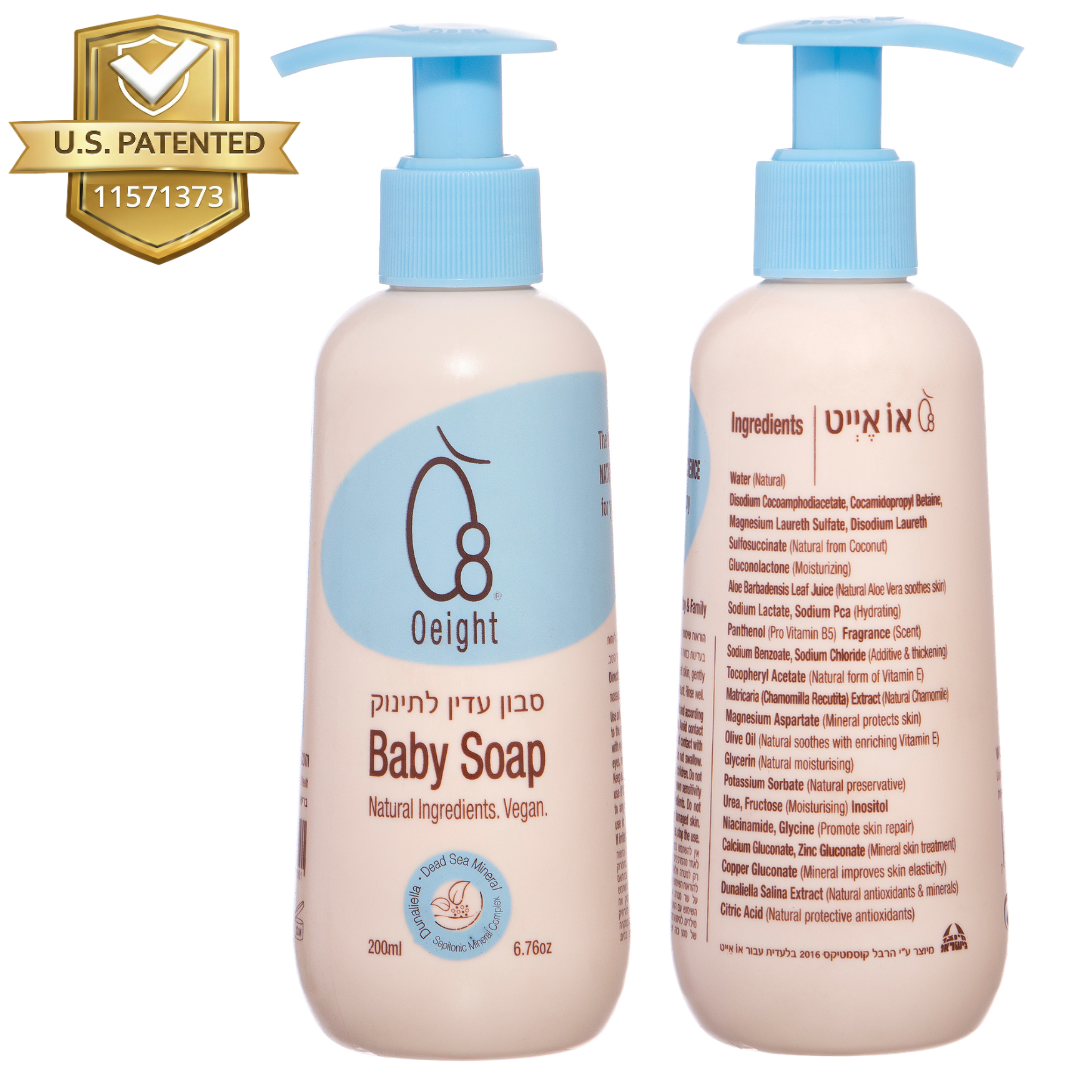
- Use a gentle, fragrance-free cleanser only where needed. Skip bubble bath and traditional alkaline soaps, which can strip the skin barrier. A gentle, fragrance-free baby wash is a better fit for reactive skin.
- Pat, do not rub, dry. Leave the skin slightly damp.
- Apply moisturizer within 3 minutes. This window matters: applying moisturizer while the skin is still damp traps the water inside.
- Moisturize again throughout the day, at least twice, and any time the skin looks dry.
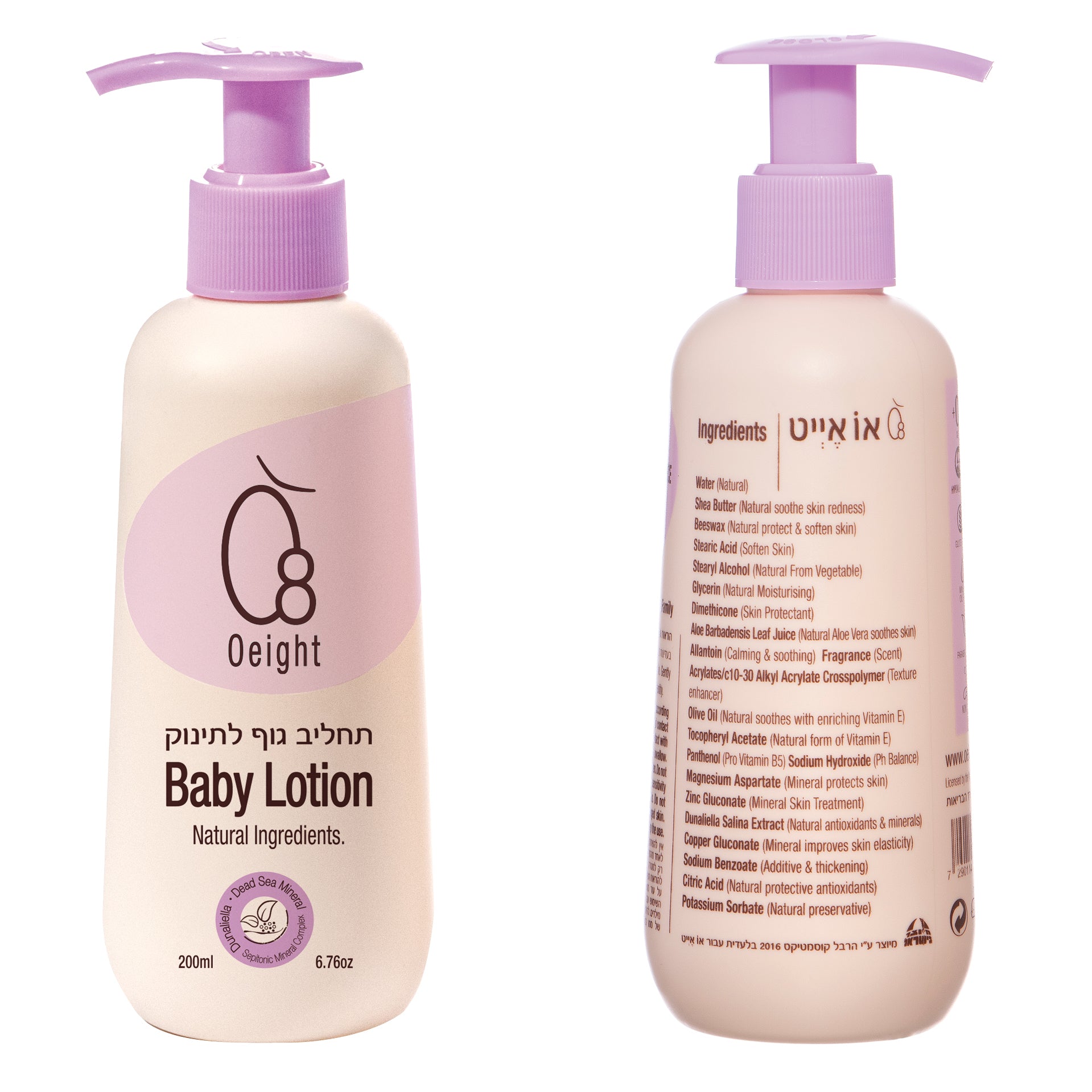
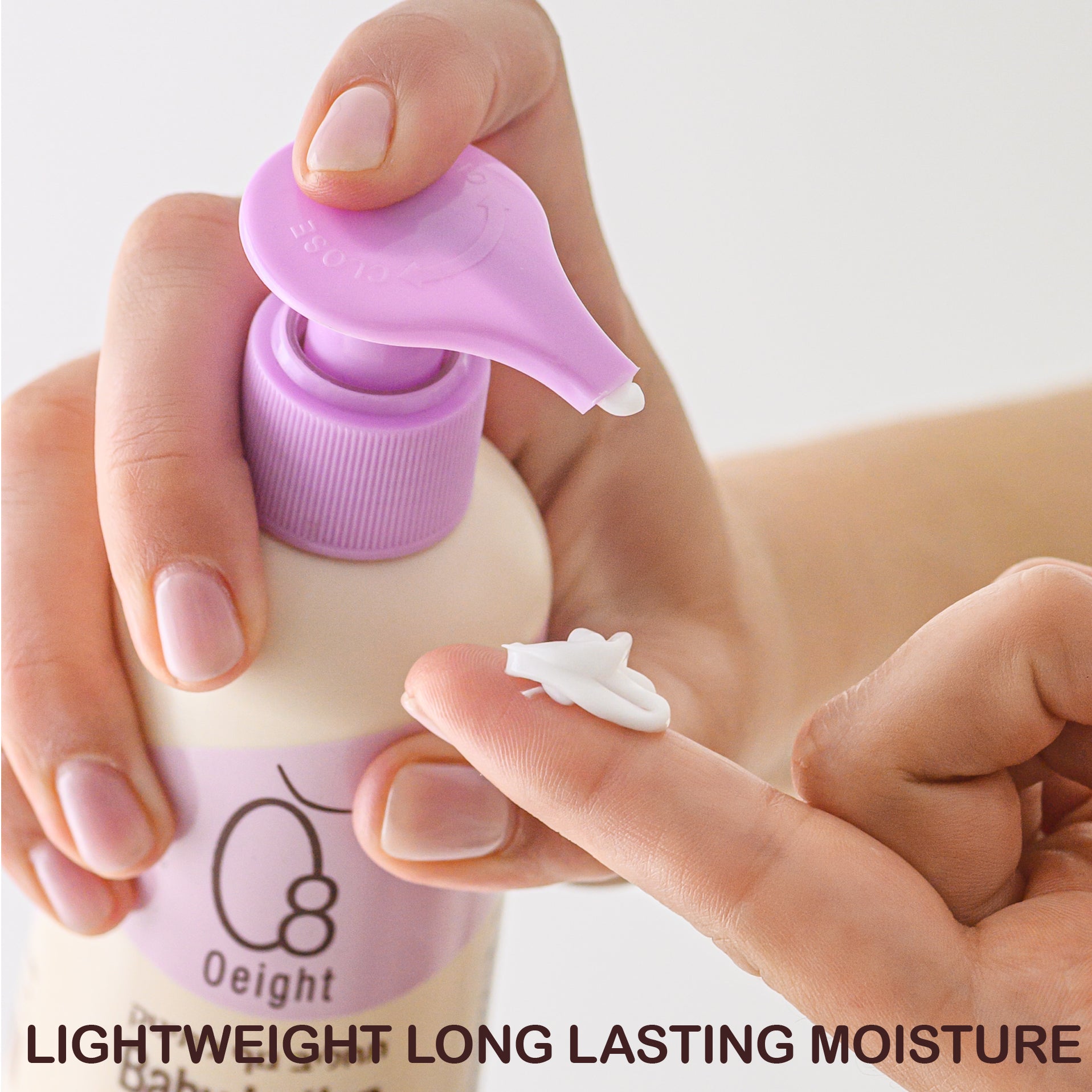
Dermatologists generally find that thicker creams and ointments hold moisture better than thin lotions or oils, so for active, very dry patches, reach for a richer barrier product. Many parents look for ceramide-rich creams, since ceramides help rebuild the skin barrier. For day-to-day softness on calmer skin, a gentle baby lotion for dry and sensitive skin can help maintain hydration.
A few more habits that support eczema flare-up prevention and a calmer, eczema-safe home environment:
- Keep nails short and consider soft cotton mittens at night to limit scratching.
- Use cool compresses on very itchy spots for short-term relief.
- Dress your baby in 100% cotton clothing or soft bamboo fabrics, which are breathable and gentle, and avoid overheating.
- Run a humidifier in dry months to ease low humidity.
- Wash new clothes before first wear and switch to fragrance-free detergents that are also dye-free.

What to Look for in Baby Eczema Products
For eczema-prone skin, the safest eczema products are fragrance-free and free of common irritants. Marketing words like "gentle" or "natural" are not regulated the way many parents assume.
This is the part that surprises people: "natural" does not automatically mean safe for eczema. Dermatologists frequently point out that botanical extracts, essential oils, and plant fragrances can trigger reactions in sensitive babies. The goal is not to avoid all nature, it is to avoid known irritants.
When reading a label, look for products that are:
- Fragrance-free, ideally with zero synthetic fragrances.
- Free of parabens, sulfates (like SLS), and harsh preservatives.
- Dermatologist and pediatrician tested.
- Short on fillers, with ingredients chosen for a clear purpose.
If you want a practical reference, here is a breakdown of what each ingredient does and what to avoid on a baby skincare label.
A smart habit before introducing any new product: patch test it. Apply a small amount to one spot, wait 24 hours, and watch for a reaction before using it more widely.
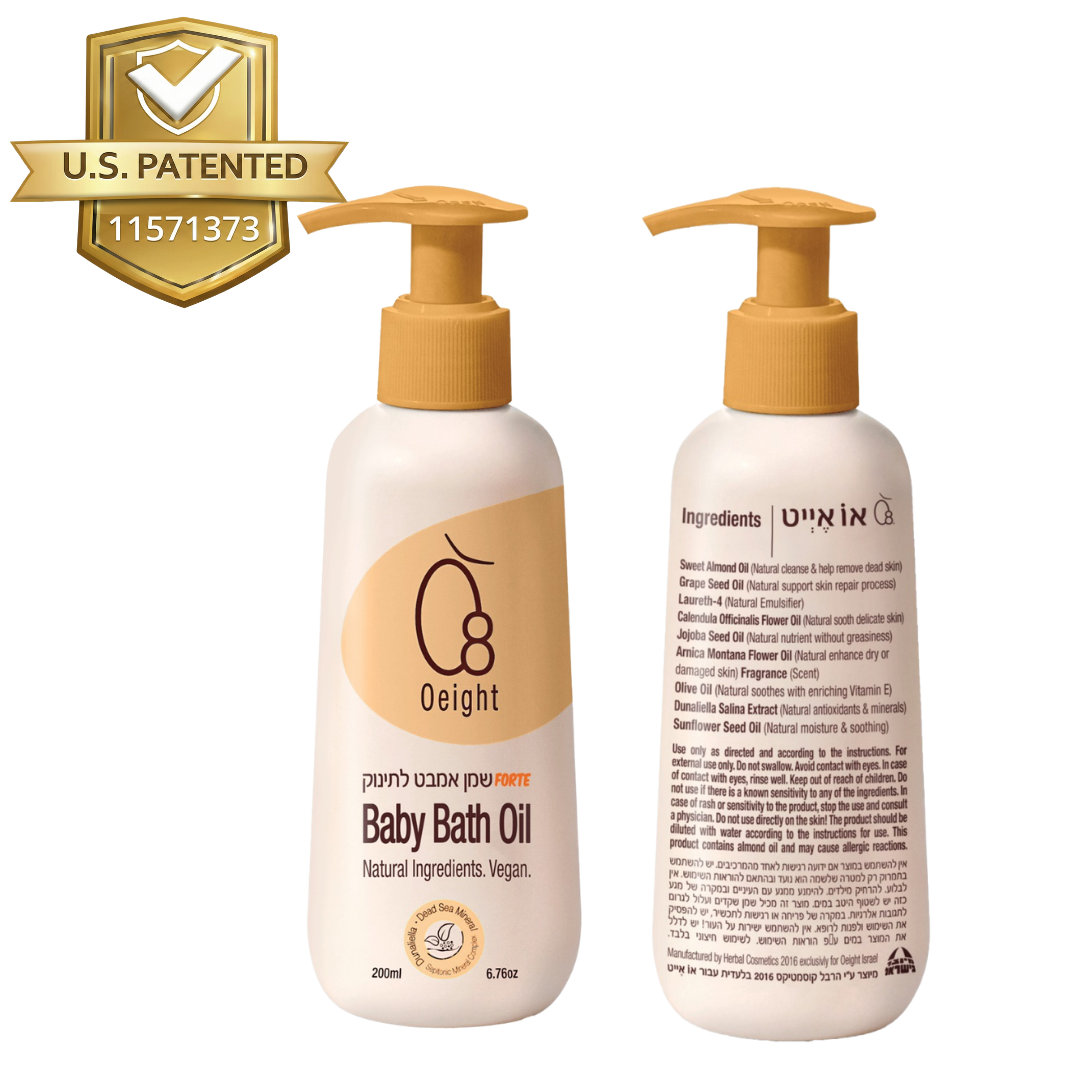
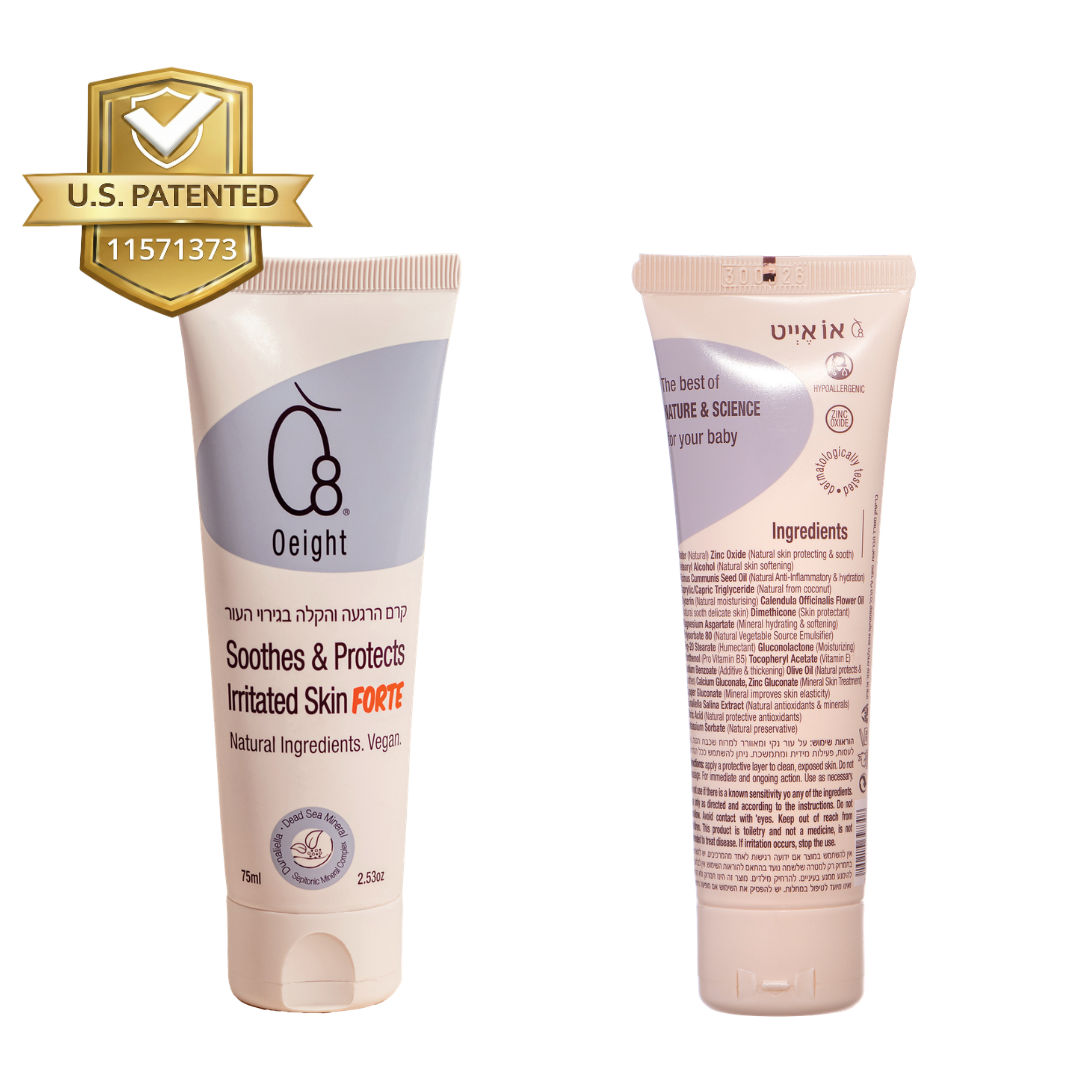
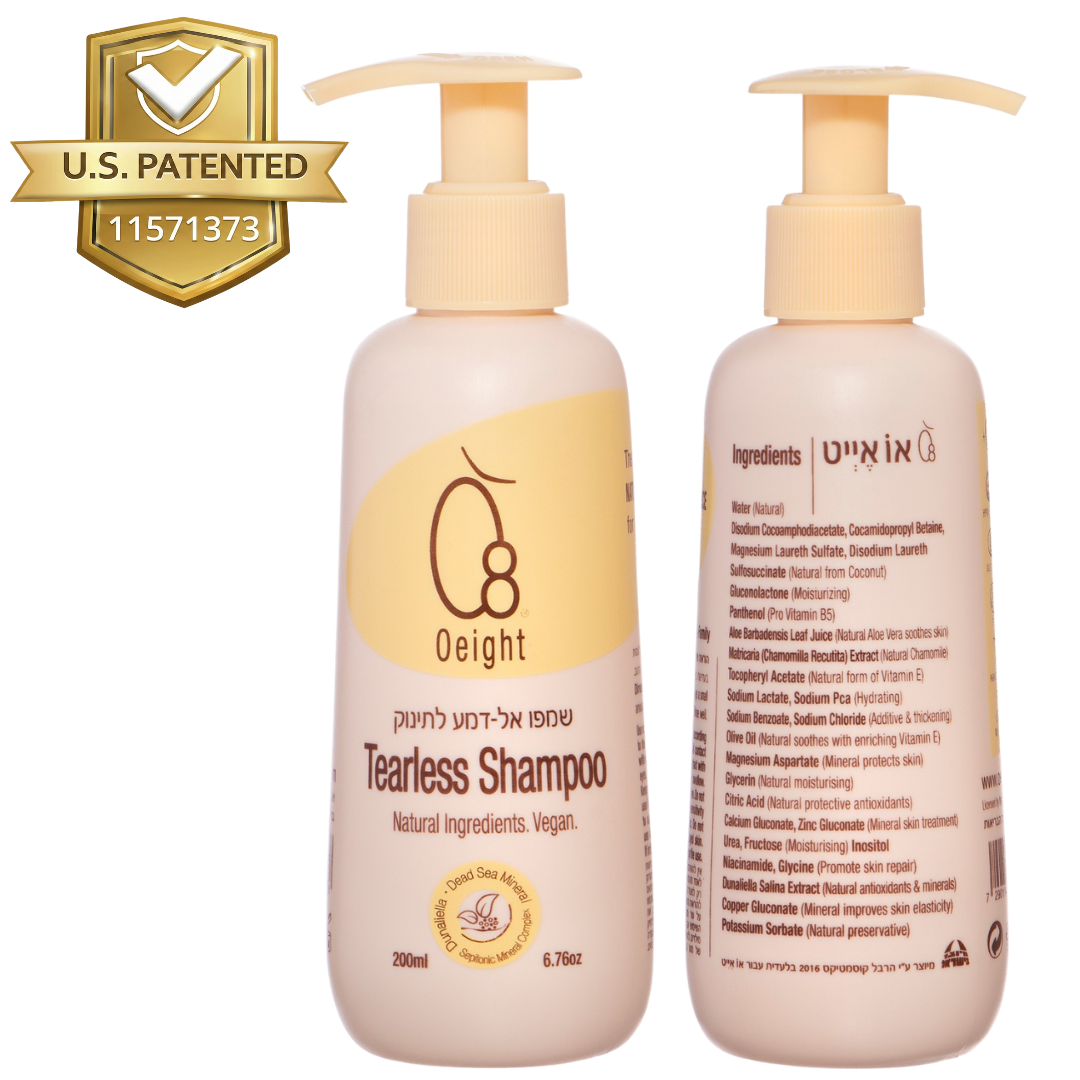
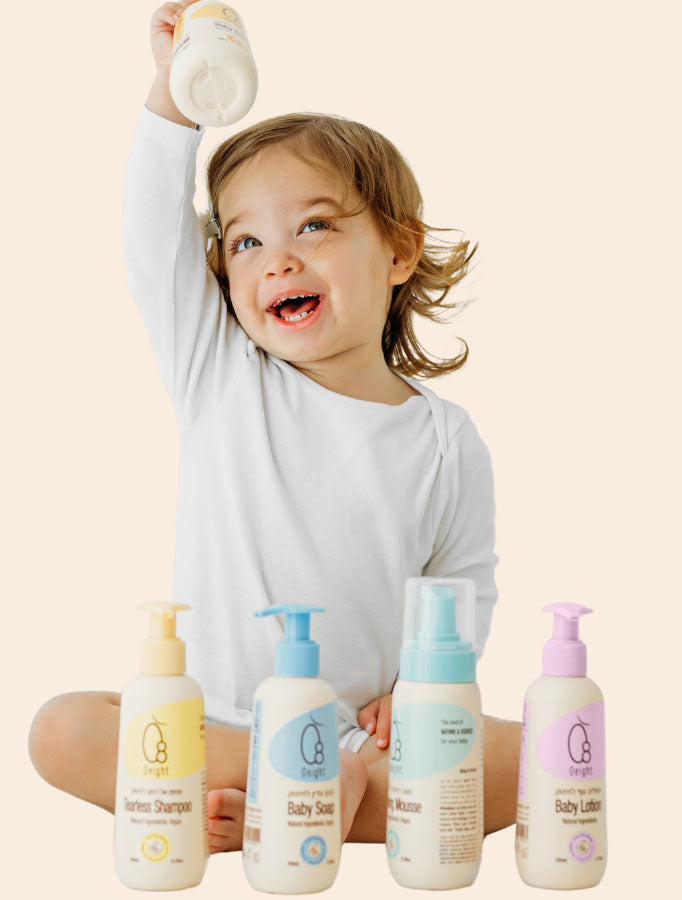
One example of this fragrance-free, purpose-built approach is Oeight's range for sensitive baby skin. The formulas use zero synthetic fragrances and are built around a highly concentrated, US-patented natural ingredient called Dunaliella Salina, a Dead Sea microalgae rich in beta-carotene. The brand was founded by an architect and father of four, which shows in details like the smart, architect-designed packaging and an all-in-one philosophy of doing more with fewer, better ingredients. As always, patch test first and check with your pediatrician for your baby's specific needs.
Quick Comparison: Creams, Ointments, Lotions, and Oils
Different moisturizer formats suit different situations. Here is how they compare for eczema-prone skin.
| Format | Best for | Pros | Cons |
|---|---|---|---|
| Ointment | Very dry, active flares | Strongest moisture seal | Greasy; can feel heavy in heat |
| Cream (incl. ceramide-rich) | Daily care, dry patches | Rich, absorbs reasonably well | Choose fragrance-free versions |
| Lotion | Mild dryness, maintenance | Light, easy to spread | More water, less sealing power |
| Bath oil | Adding moisture during bathing | Soothing, gentle cleansing | Use alongside, not instead of, post-bath moisturizer |
A soothing bath oil for delicate, sensitive skin can make bath time gentler, but it works best as one part of a routine that still ends with a proper moisturizer.
Medical Treatment Options: What a Doctor Might Prescribe
Most baby eczema is managed with gentle skin care alone, but a doctor may add prescription eczema treatment for stubborn or more severe cases. Age approvals matter a great deal here, and many newer medicines are intended for older children or adults, so your pediatrician or dermatologist decides what is appropriate for your child.
Common physician-directed options include:
- Topical corticosteroids, such as a low-strength hydrocortisone ointment, used short-term and under guidance to calm flares. These remain the most common prescription eczema therapy for babies.
- Other topical creams for eligible ages, such as ruxolitinib cream or tapinarof cream, which work differently from steroids.
- Biologic medicines for moderate-to-severe disease, including dupilumab (approved for some young children), as well as tralokinumab and lebrikizumab, which are generally reserved for older children and adults.
- Oral JAK inhibitors, such as upadacitinib, abrocitinib, and baricitinib, which are systemic treatments used in older patients with more severe eczema, not in young infants.
The takeaway for parents of babies: gentle daily care plus, when needed, a doctor-supervised topical is the usual path. The advanced options above exist for more severe or older cases and are always a medical decision.
When to See a Doctor
Call your pediatrician or a dermatologist if home care is not enough, or if you see signs of infection. Damaged eczema skin can be invaded by bacteria such as Staphylococcus aureus, which needs prompt treatment.
Seek medical advice if you notice:
- Signs of skin infection: oozing, yellow crusting, pus, increasing redness, swelling, or warmth.
- Fever along with a worsening rash.
- Severe itching that disrupts sleep or feeding.
- No improvement after a couple of weeks of consistent gentle care.
- A spreading or painful rash, or any rash you are unsure about.
A doctor can confirm the diagnosis, rule out other conditions, and prescribe the right eczema cream or other treatment for your child's age.
This guide is for general information and is not a substitute for personalized medical advice. Always consult your pediatrician about your child's specific needs.
Frequently Asked Questions
Is baby eczema contagious? No. Eczema cannot be passed from one person to another. It is related to the skin barrier, genetics, and the immune system.
Will my baby grow out of eczema? Many children improve significantly as they get older, and some outgrow it entirely. Consistent gentle care helps keep eczema flare-ups under control in the meantime.
How often should I bathe a baby with eczema? Daily or every other day is generally fine, as long as baths are short, lukewarm, and followed immediately by moisturizer. Frequent short baths can actually add hydration when you seal the moisture in afterward.
Can I use coconut oil or other natural oils on baby eczema? Some families find coconut oil helpful, but it is not a reliable substitute for a proper moisturizer, and certain oils can irritate sensitive skin. Patch test first and check with your pediatrician.
Do oatmeal baths help eczema? Colloidal oatmeal baths can soothe itching and calm irritated skin for some babies. Keep the water lukewarm, the bath short, and always moisturize right afterward.
Is fragrance-free the same as unscented? Not always. "Unscented" can mean masking fragrances were added to hide other smells, while "fragrance-free" means no fragrance was added. For eczema-prone skin, fragrance-free products are the safer choice.
What foods cause baby eczema? Food is not the cause of eczema, though in some children certain food allergens can act as a trigger. Never eliminate foods from a baby's diet without talking to your pediatrician first.
What is the fastest way to calm an eczema flare? Stop any likely trigger, give a short lukewarm bath, moisturize generously within 3 minutes, use cool compresses on itchy spots, and keep your baby cool and comfortable. If the flare is severe or infected, contact your doctor.
Conclusion
Baby eczema can feel overwhelming, but it is common, manageable, and rarely the parent's fault. The core routine is refreshingly simple: bathe gently, moisturize often and quickly, and steer clear of the eczema triggers that dry out or irritate the skin.
Focus on fragrance-free products free of known irritants, build an eczema-safe home environment, watch for your baby's personal triggers, and lean on your pediatrician whenever you are unsure. With steady, gentle care, most babies' skin can stay calm and comfortable.
To go deeper on building a safe routine, explore skincare made for sensitive baby skin and learn why each ingredient earns its place in a baby's formula.
Sources referenced: American Academy of Pediatrics (HealthyChildren.org), American Academy of Dermatology (aad.org), National Eczema Association (nationaleczema.org). Review and refresh this article every 3 to 6 months to keep statistics and guidance current.