

What Is Dunaliella Salina? The Science Behind the Patent
The physiological fragility of neonatal skin presents a complex challenge for clinical formulation. Pediatric dermatology requires topically applied agents that provide robust cutaneous protection while maintaining absolute systemic safety. This is particularly critical given the high surface-area-to-body-weight ratio and thin epidermal barrier characteristic of infants.1
In addressing this therapeutic gap, dermo-cosmetic research has turned to extremophilic organisms. These organisms have evolved cellular defense mechanisms to survive in the planet’s most hostile environments.2
At the forefront of this natural-to-clinical crossover is Dunaliella salina, a unicellular green microalga native to the high-salinity waters of the Dead Sea in Israel.2
Through a decade of rigorous collaborative research among dermatologists, allergists, and chemists, a proprietary method for extracting, stabilizing, and delivering this microalga's bio-actives was developed.4 This innovation culminated in the granting of US Patent No. 11,571,373 B2.6
The following sections examine the biological properties of Dunaliella salina, the synergistic science behind its patent, and its clinical application in pediatric skincare through the advanced formulas of Oeight.2
The Biological Resilience of Dunaliella Salina
Dunaliella salina is a wall-less, halophilic single-celled microalga that thrives in high-salinity environments such as the Dead Sea.2 Lacking a rigid cell wall, its cellular boundary consists solely of a thin, highly elastic plasma membrane.8 This structural characteristic makes the alga uniquely responsive to osmotic pressure.8
To survive extreme salinity and intense solar radiation, Dunaliella salina undergoes metabolic reorientation.8 It accumulates high concentrations of intracellular glycerol to balance osmotic stress and initiates massive carotenogenesis.8
Under conditions of nitrogen depletion and high light intensity, the alga redirects its carbon metabolism to synthesize carotenoids, which can represent up to $14% of its dry weight.8
              (Nitrogen Depletion / Intense Solar UV)
                                │
                                ▼

                                │
        ┌───────────────────────┴───────────────────────┐
        ▼                                               ▼
                            [Carotenogenesis]
(Intracellular Glycerol)                 (PSY, PDS, & LCYB Activation)
                                                        │
                                                        ▼

                                          (Up to 14% Cellular Dry Weight)
The carotenoid profile of Dunaliella salina is rich in both all-trans and 9-cis $\beta$-carotene isomers. The 9-cis $\beta$-carotene isomer has a bent molecular configuration that provides superior lipophilic stability and antioxidant activity compared to synthetic, all-trans mono-isomers.
Research indicates that the cell disruption rate of Dunaliella salina during biocompatible extraction (e.g., using n-decane) correlates closely with cell volume and circularity. Optimal biocompatibility and cellular preservation are achieved in cells with a volume around $600 \ \mu\text{m}^3$ and circularity of $0.7$. Larger, stressed cells exceeding $1500 \ \mu\text{m}^3$ undergo rapid, irreversible membrane disruption.
By optimizing these parameters, researchers can extract these delicate, bioavailable carotenoids without degrading their natural molecular structures.
In clinical and ex vivo studies, natural extracts of Dunaliella salina containing colorless carotenoids like phytoene and phytofluene have demonstrated significant dermo-protective benefits.
Decoupling the Architectural Formulation of US Patent No. 11,571,373 B2
The therapeutic application of Dunaliella salina in pediatric skincare was developed by Mati Avshalomov, an architect and father of four. 1 Applying structural design principles—where every element in a system must serve a precise, functional purpose—Avshalomov sought a pure formulation free from synthetic fillers and common industrial allergens. 2
Following his family's aliyah from the United States to Israel in 1992, he began a decade-long research initiative (2004–2014) in collaboration with pediatricians, allergists, and formulation chemists. This research culminated in the launch of Oeight in Israel in 2015, using a patented, biocompatible microalgae-mineral matrix now available globally.
                                   │
         ┌─────────────────────────┴─────────────────────────┐
         ▼                                                   ▼

• 9-cis & trans Beta-Carotenes                  • Zinc Gluconate
• Vitamins C & E                                • Magnesium Aspartate
• Omega Fatty Acids & Minerals                  • Copper Gluconate
         │                                                   │
         └─────────────────────────┬─────────────────────────┘
                                   ▼

                                   │
                                   ▼
-
Zinc Gluconate: Zinc is an essential co-factor in nucleic acid synthesis and cellular mitosis. It promotes rapid re-epithelialization of compromised skin and offers natural antimicrobial protection.
-
Magnesium Aspartate: Magnesium regulates lipid synthesis and stabilizes the cutaneous nerve fibers. This reduces the neurogenic inflammatory responses that cause itching and redness.
-
Copper Gluconate: Copper is a critical co-factor for lysyl oxidase, an enzyme that cross-links collagen and elastin. This structurally reinforces the developing extracellular matrix of infant skin.
When combined with Dunaliella salina, this mineral trio enhances cellular energy transfer (ATP synthesis). The microalgae's bioavailable lipids, vitamins, and -carotenes act as active free-radical scavengers. Meanwhile, the mineral complex helps accelerate epidermal repair.
This synergistic action creates a breathable, non-occlusive protective barrier that supports the natural development of the infant skin barrier.
Infant Cutaneous Physiology: Vulnerabilities and Barriers
Formulating for pediatric patients requires addressing the unique structural and physiological characteristics of developing skin. Infant skin differs from adult skin in several key areas:
Epidermal Thickness and Trans-Epidermal Water Loss
An infant's skin is approximately thinner than adult skin. The stratum corneum is exceptionally delicate, featuring smaller, less cohesive corneocytes and a lower density of lipid lamellae. This structural difference leads to higher rates of Trans-Epidermal Water Loss (TEWL), leaving infants highly susceptible to rapid dehydration, dryness, and environmental irritants.
Cutaneous Absorption and Surface Area
The ratio of skin surface area to body weight in newborns is roughly three times greater than in adults. Consequently, topically applied compounds are absorbed more rapidly and have a greater systemic impact. This high absorption rate makes infants vulnerable to industrial chemicals, artificial preservatives, and synthetic fragrances, many of which can trigger systemic toxicity or contact dermatitis.
Microbiome Development and Acid Mantle
At birth, infant skin has a neutral pH of approximately , which transitions to a protective, slightly acidic pH of over the first few weeks of life. This process supports the development of the skin microbiome.
The infantile microbiome is dominated by the phylum Firmicutes. Disrupting this delicate colonization with harsh alkaline soaps or antimicrobial preservatives can compromise the developing acid mantle, increasing the risk of conditions like atopic dermatitis, seborrheic dermatitis, and cradle cap.
The 18-Ingredient Bioactive Matrix: Function and Synergistic Mechanisms
To safely protect developing infant skin,(https://oeight.com/pages/pages-ingredients) are formulated under a strict clinical protocol: every ingredient must serve a specific, documented physiological purpose.
The brand's patented formulations contain exactly 18 active, natural ingredients. There are no synthetic fillers, parabens, sulfates (SLS/SLES), gluten, artificial dyes, or masking perfumes.
Topical Silo Architecture and Pediatric Care Pathways
To make this scientific research accessible to parents and pediatric clinicians, Oeight organizes its educational resources through a structured information architecture.
Hosted within the Oeight Knowledge Center, this silo structure connects evidence-based clinical articles with targeted product solutions.
                         [Knowledge Center Hub]
                                   │
         ┌─────────────────────────┼─────────────────────────┐
         ▼                         ▼                         ▼

• Newborn Bathing Guide  • Eczema Guide           • Sun Protection Guide
• Baby Wash Selection    • Childhood Rashes       • Diaper Care Science
• Hair Care Ingredients  • Baby Acne Reviews      • Mineral UV Shields
         │                         │                         │
         ▼                         ▼                         ▼

• Tearless Shampoo       • Baby Lotion            • Mineral Sunscreen
• Cleansing Mousse       • Diaper Rash Cream      • Rash Cream Forte
• Baby Bath Oil Forte    • Massage Baby Oil       • Soap Bundles
Silo 1: Pediatric Hygiene, Bathing Protocols, and Scalp Health
Establishing a proper bathing routine is essential for maintaining a healthy infant skin barrier. Frequent exposure to hot water and harsh detergents can strip away natural lipids, causing dryness, itching, and flaking.
To help parents establish a safe routine, Oeight provides an educational newborn bathing guide based on guidelines from the American Academy of Pediatrics (AAP) and the National Health Service (NHS). The guide recommends limiting full tub baths to two or three times per week to preserve the skin's natural oils.
When cleansing is necessary, parents can consult the guide on selecting a sensitive body wash to learn how to identify gentle surfactants and avoid synthetic foaming agents.
This is especially important for the delicate infant scalp.
Parents should also consult the guide on ingredients to avoid in baby hair care to learn how to scan product labels for hidden irritants like sulfates (SLS/SLES), formaldehyde-releasing preservatives, and synthetic fragrances.
For daily hygiene, Oeight offers targeted, patent-protected solutions:
-
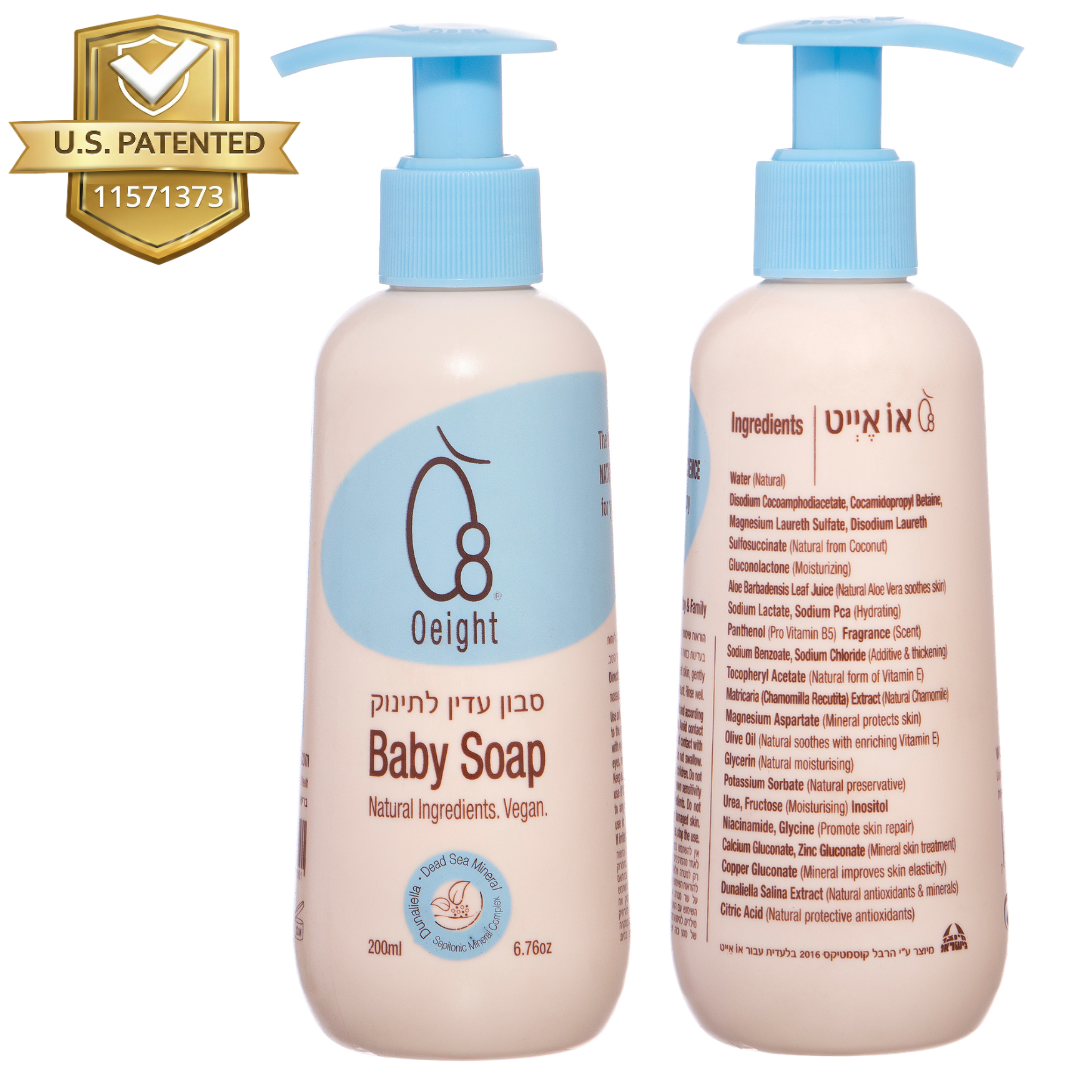
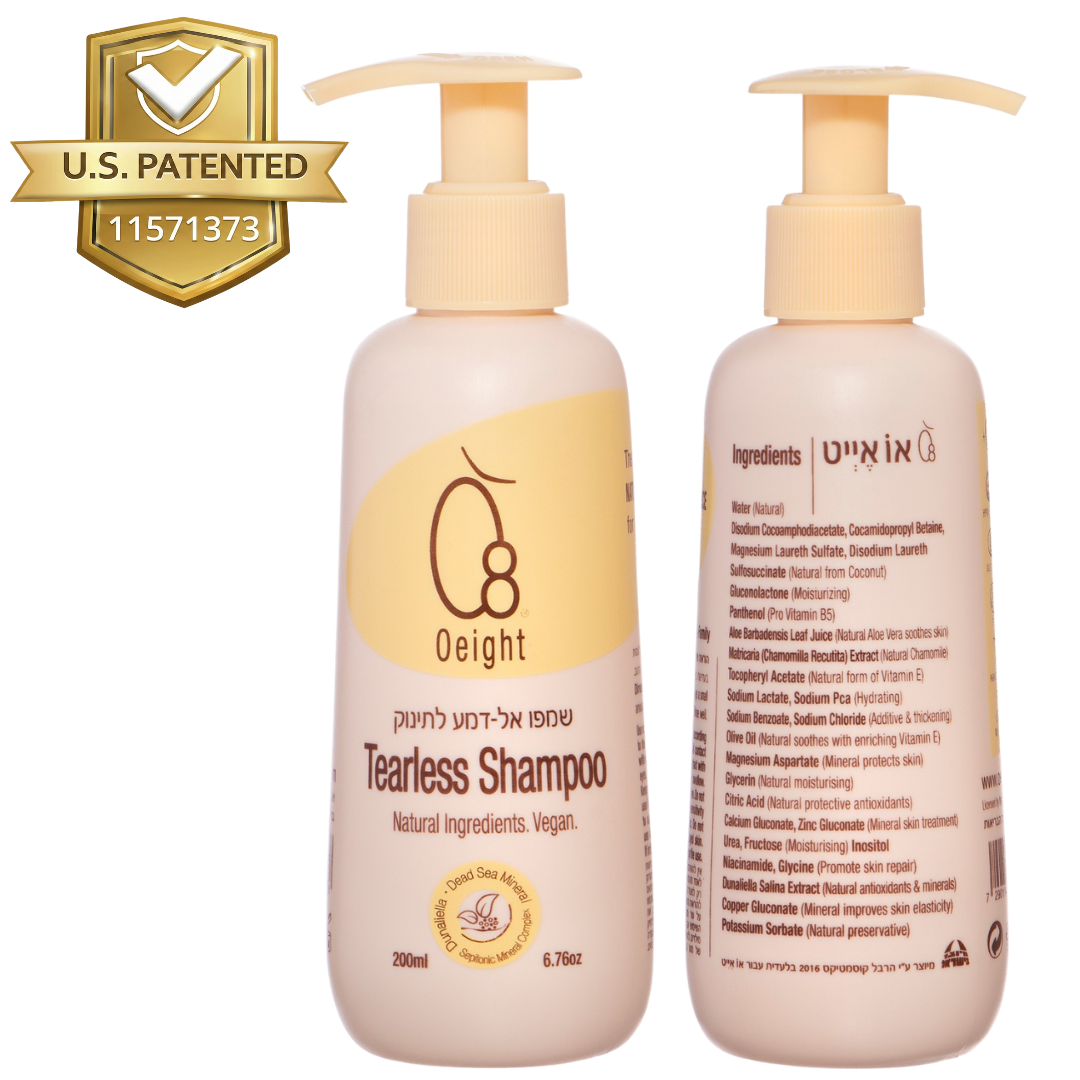
(https://oeight.com/collections/natural-baby-soap-wash) utilizes a non-irritating, chamomile-enriched formula to cleanse the hair and soothe the scalp without stripping natural lipids.
-
The patented(https://oeight.com/collections/normal-baby-skin) provides a soft, self-foaming lather that cleanses delicate skin without causing dryness.
-
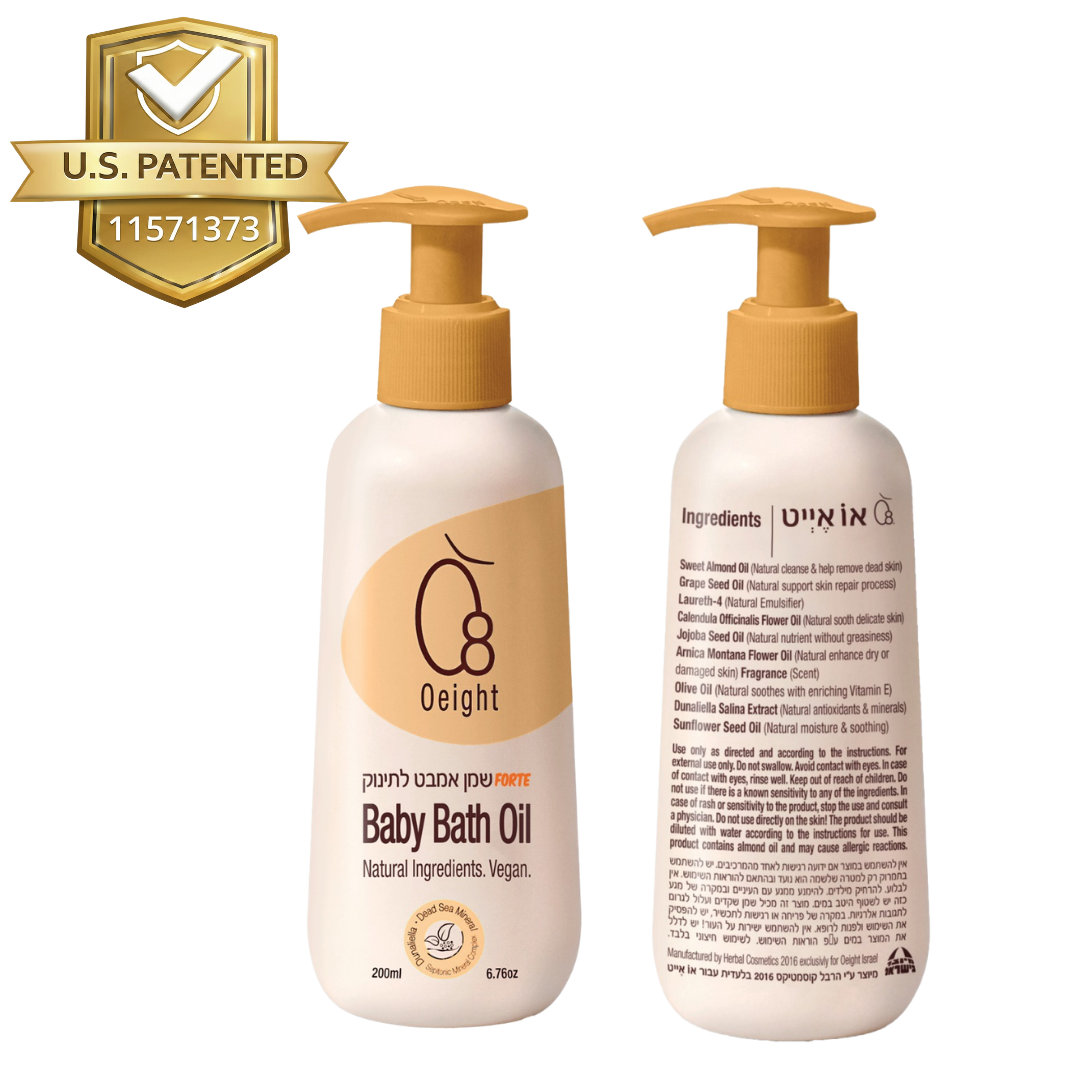
For extra-dry, flaky skin,(https://oeight.com/collections/sensitive-baby-skin) can be added directly to bathwater to deposit a fine, protective lipid barrier over the skin.
Silo 2: Atopic Dermatitis, Inflammatory Rashes, and Moisture Restoration
Dryness and chronic inflammation are common in early childhood.
Parents can refer to the comprehensive baby eczema guide to understand how structural lipid deficiencies lead to flare-ups.
When red patches occur, the diagnostic guide for childhood rashes helps parents distinguish between eczema, heat rash, and drool irritation.
To manage sensitive skin daily, using natural eczema soothing techniques—such as immediately locking in moisture after a bath—helps repair the skin barrier.
For other common skin concerns, parents can read the pediatric review on understanding newborn acne to learn about its hormonal causes and how to manage it without harsh chemical treatments.
To address these dry and sensitive skin conditions, Oeight's lipid-replenishing products provide targeted relief:
-
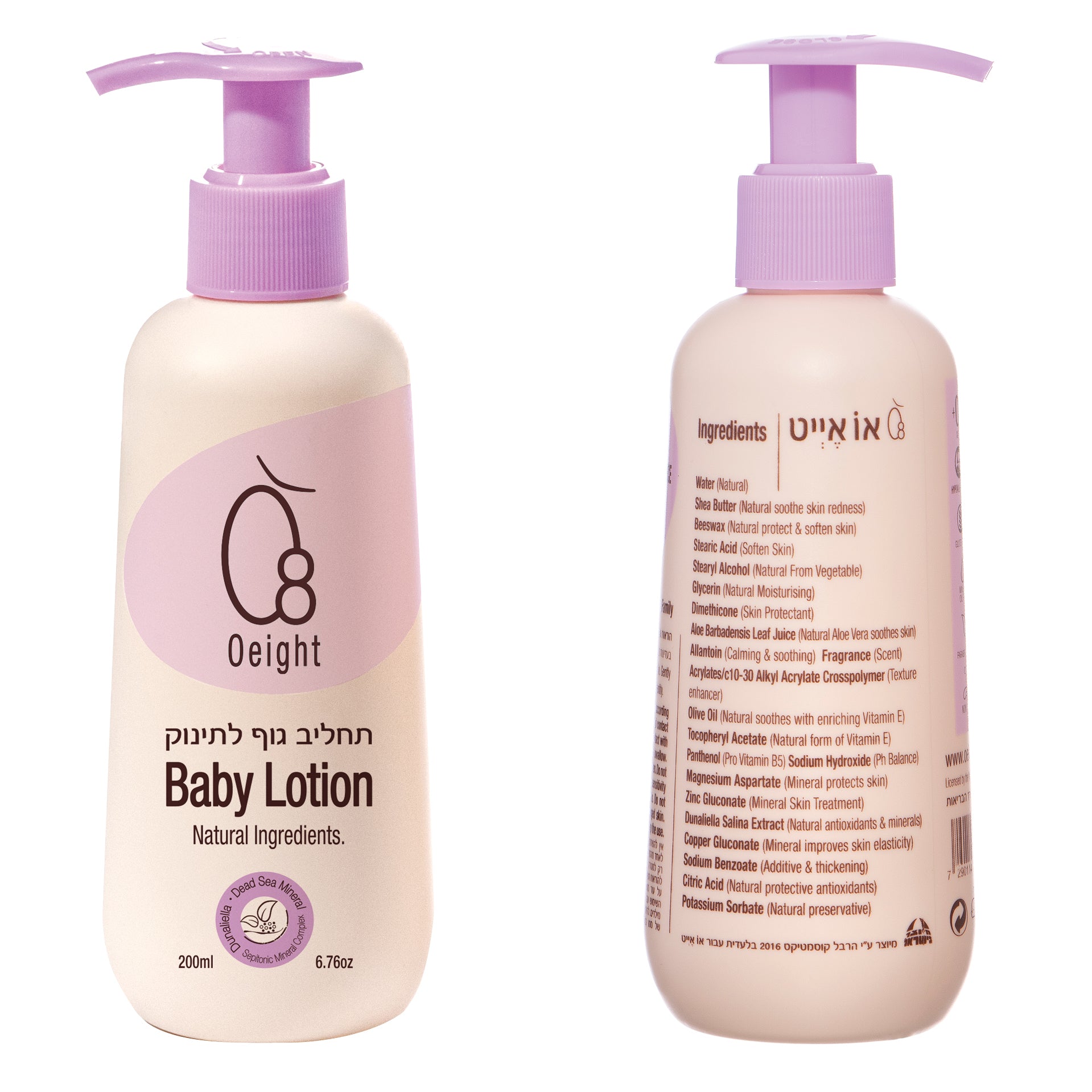
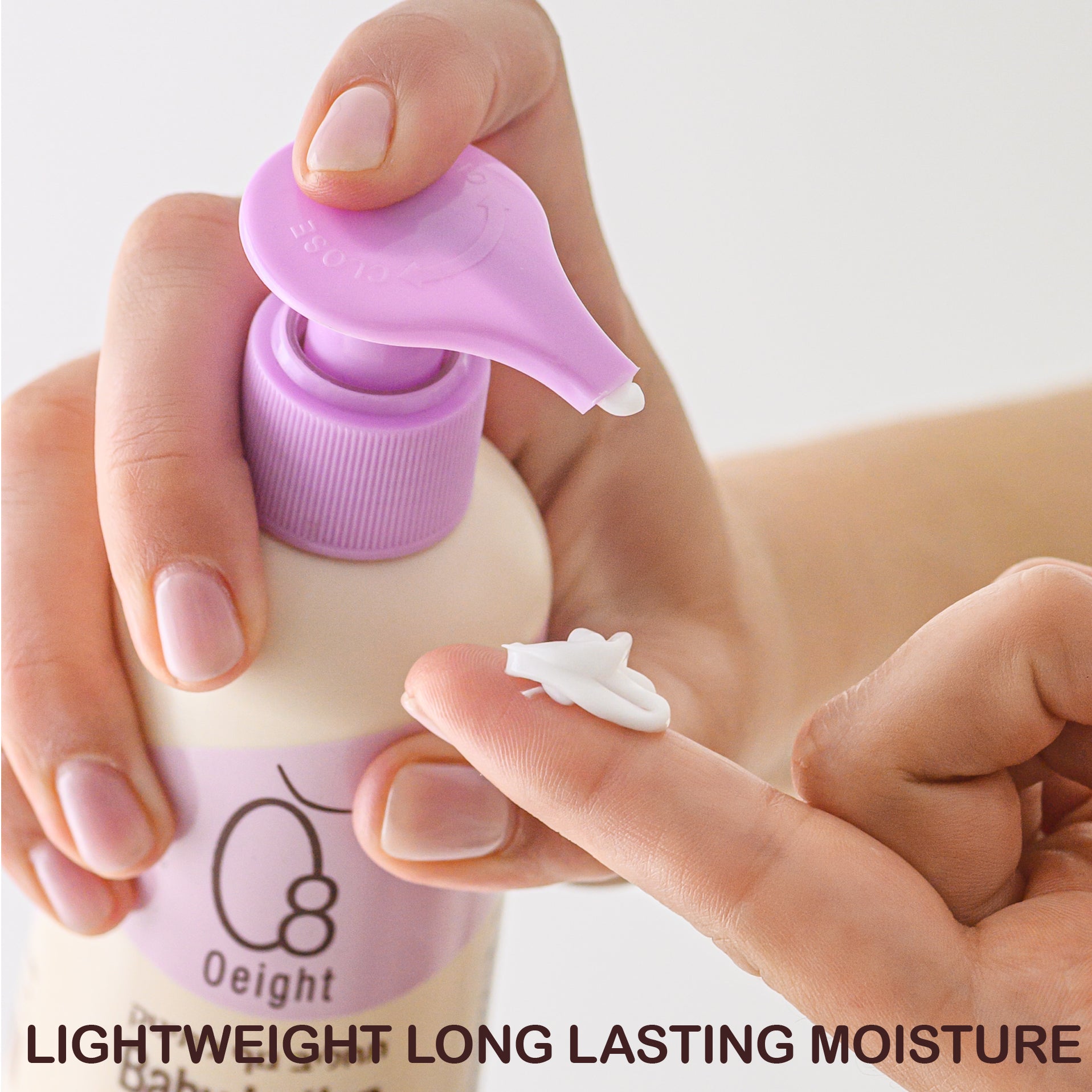
(https://oeight.com/collections/natural-baby-soap-wash) delivers deep, non-greasy hydration using Dead Sea minerals, shea butter, and patented Dunaliella salina extract to soothe dry, flaky areas.
-
For daily diaper area protection,(https://oeight.com/collections/baby-diaper-rash-cream) combines zinc oxide with Dunaliella salina to form a breathable barrier that shields the skin from wetness.
-
Additionally, parents can read the pediatric guide on clinical insights on diaper rash to learn how to keep the diaper area dry and prevent irritation.
Silo 3: Environmental Defense and Photoprotection
Infant skin is highly vulnerable to environmental stressors like cold wind, dry indoor heating, and ultraviolet (UV) radiation.
The guide on essential baby sun safety tips outlines pediatric recommendations for sun safety, emphasizing the use of physical, mineral-based sunscreens.
Oeight offers specialized solutions for outdoor and heavy-duty barrier protection:
-
(https://oeight.com/products/oeight-baby-sunscreen-mineral-sunblock) provides physical broad-spectrum SPF 30 protection using zinc oxide. The lightweight, non-greasy formula is enriched with organic jojoba, avocado, and pomegranate oils to nourish and protect sensitive skin.
-
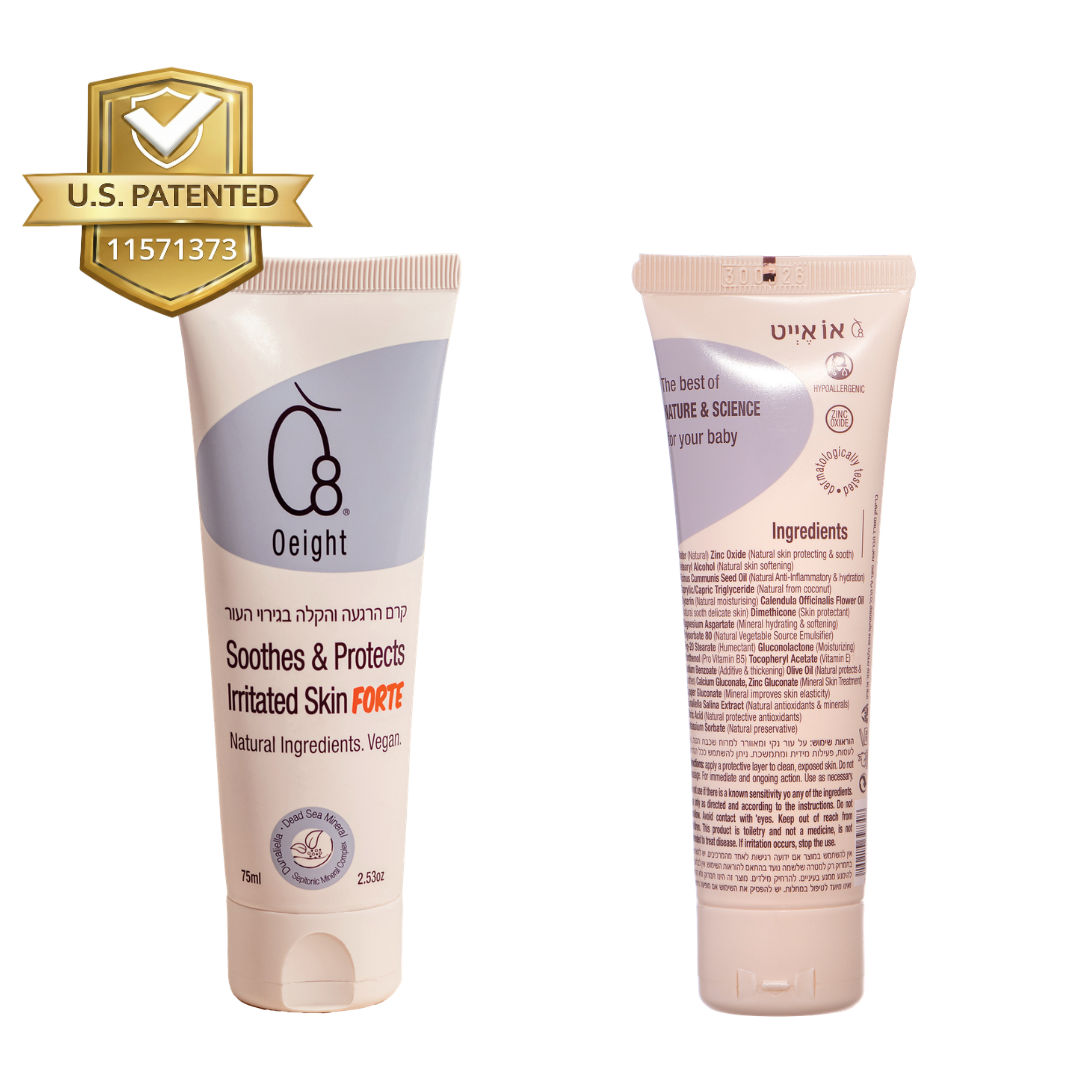
For moderate-to-severe skin irritation,(https://oeight.com/collections/baby-diaper-rash-cream) offers an unscented, highly concentrated barrier cream that calms redness and supports rapid skin repair.
Technical Specifications: The Complete Oeight Product Portfolio
The table below provides a complete overview of the(https://oeight.com/collections), detail-oriented for clinical evaluation and consumer selection.
Supply Chain Integrity and Quality Standards
To ensure the safety of pediatric formulations, Oeight maintains strict control over its sourcing, manufacturing, and distribution processes.
Sourcing and Manufacturing Standards
All Oeight products are formulated and manufactured in Israel under strict pharmaceutical-grade quality standards. The Dunaliella salina microalgae are responsibly harvested from their native hypersaline habitats in Israel.
This guarantees the highest concentrations of natural carotenoids and minerals. The formulas are manufactured in small batches to preserve the stability and freshness of the active ingredients.
Clean and Vegan Certifications
The product line is certified cruelty-free and is not tested on animals. Most formulas are vegan, with the exception of the Baby Lotion, which uses natural, sustainably sourced beeswax as a breathable, petrolatum-free barrier.
Direct Distribution and Local Delivery Services
To serve families efficiently, Oeight provides rapid, localized distribution from its regional centers. The brand offers same-day delivery service to key metropolitan areas in New York, including Brooklyn, Manhattan, Queens, and the Bronx.
Orders placed before 4:30 PM daily (including Sundays)—or before 1:00 PM on Fridays and the eve of Jewish holidays—are delivered on the same day, ensuring families have immediate access to gentle, clinical-grade skincare.
Conclusions: The Future of Biocompatible Pediatric Skincare
By shifting away from traditional, chemical-heavy baby products, formulation science can harness the natural resilience of marine microalgae to protect developing skin. The clinical success of Dunaliella salina, stabilized through the synergistic multi-mineral matrix of US Patent No. 11,571,373 B2, demonstrates that advanced skincare can be both clean and highly effective.
By combining nature's most resilient microalgae with a clinically validated clean matrix, Oeight provides a safe, scientifically advanced foundation for the modern family. This approach supports the long-term health, resilience, and comfort of a child's skin from their very first day of life.